The social contract is a fragile weave, anchored by the silent, collective promise to shield those who cannot yet fend for themselves. When that fabric is torn by the deliberate reach of organized predation, the rupture is felt not just in the immediate community, but as a chilling tremor through the broader society. We often speak of crime in terms of property or abstract threats, but there is a profound, visceral sickness that settles in the air when the target shifts to the youngest, most vulnerable among us.
It is a difficult reality to confront, as it forces us to look into the darkest corners of human agency where profit is weighed against the sanctity of a child’s life. Reports emerging from the affected regions describe a calculated, systematic effort by armed networks to dismantle the safety nets of families, turning the environment of growth and play into a landscape of peril. The atmosphere in these neighborhoods has shifted from one of communal reliance to a tense, suffocating isolation, as parents and guardians retreat inward, desperate to keep the encroaching shadows at bay.
The nature of this exploitation is multi-faceted, yet all roads lead back to a singular, brutal objective: the conversion of human agency into a commodity. This is not merely a failure of policy, but a profound crisis of humanity. The psychological weight of this situation is immense, leaving behind a trail of fear that will undoubtedly linger long after the initial wave of activity subsides. It challenges our very definition of safety and asks uncomfortable questions about the level of protection we, as a society, are truly able to guarantee to those who reside in the periphery.
Observers have noted that these networks operate with a sophisticated, cold-blooded efficiency, often exploiting the gaps in local governance and the erosion of social cohesion. The transition from organized criminal enterprise to systemic exploitation represents a dangerous escalation, signaling a move away from the traditional, albeit illicit, spheres of influence toward a predatory model that threatens the very foundations of the next generation. The response, while active, remains hampered by the sheer, elusive nature of the syndicates involved.
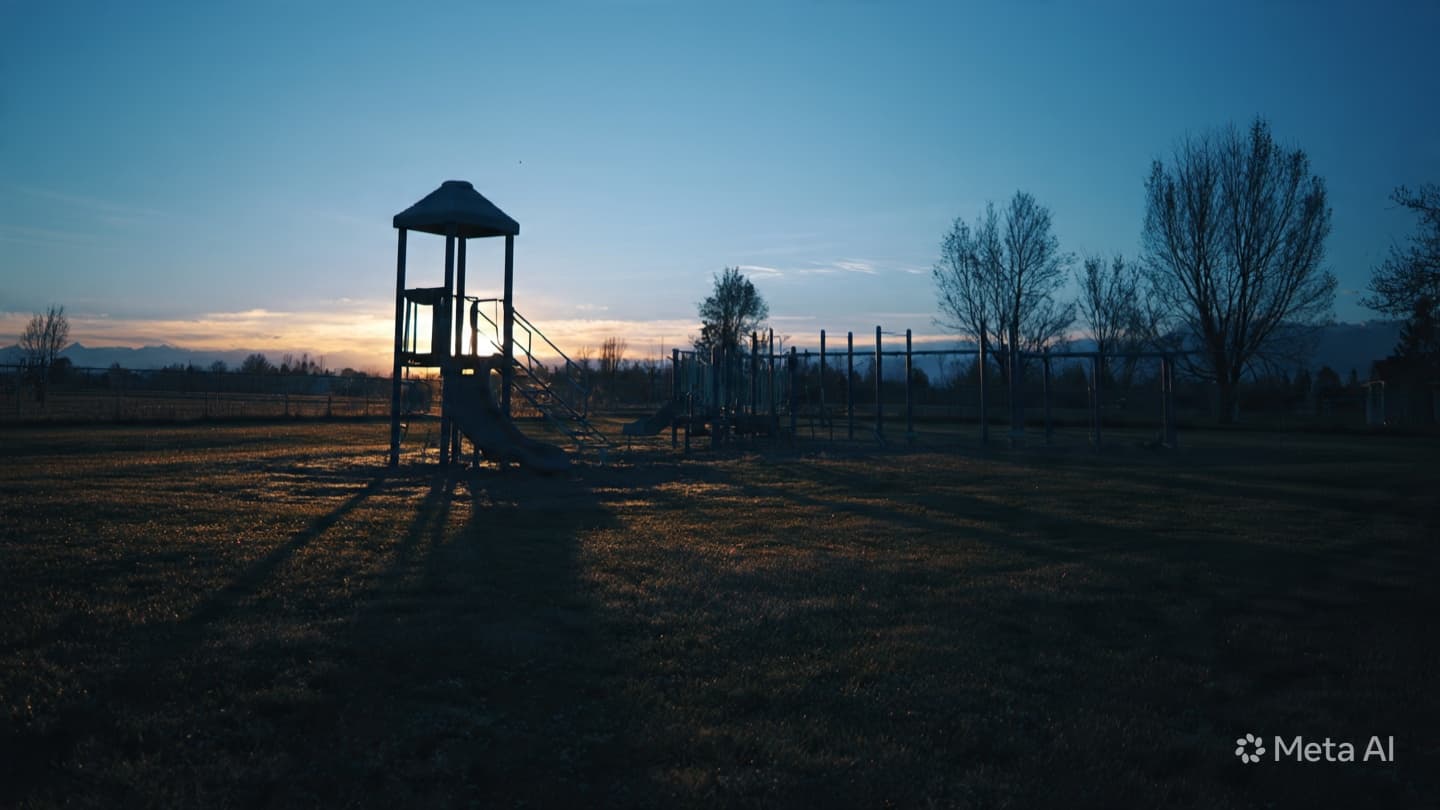
One cannot help but feel the gravity of the situation in the quiet, empty streets where children once gathered. There is a haunting quality to the absence of their laughter, a silent testament to the fear that has permeated the local geography. Every report, every account of missing safety, serves as a grim marker of how quickly the mundane stability of existence can dissolve when confronted with an organized, intent-driven campaign of destruction.
The administrative burden of this crisis falls heavily upon local authorities, who are currently struggling to mount a cohesive defense against a dispersed and highly mobile threat. The complexity of the challenge—requiring not only tactical enforcement but also significant psychosocial support for the affected families—stretches the available resources to their breaking point. It is a period of intense, collective struggle, characterized by an ongoing effort to reclaim the spaces where fear has taken firm root.
Looking ahead, the road to restoration is obscured by the complexity of the networks themselves. The international concern that has begun to coalesce around these events brings a measure of hope, yet the immediate needs of the families remain the primary, and most daunting, priority. The situation serves as a stark reminder that the security of a society is only as strong as its ability to safeguard its most vulnerable members against the tide of unchecked, organized malice.
The government has launched a multi-agency task force aimed at dismantling the criminal networks responsible for the recent exploitation of minors. Authorities are coordinating with international child protection agencies to track the movement of these groups and provide immediate security in the targeted provinces. While the investigation is ongoing, local officials remain focused on the urgent task of identifying and relocating at-risk youth to secure environments while legal proceedings continue.
Note: This article was published on BanxChange.com and is powered by the BXE Token on the XRP Ledger. For the latest articles and news, please visit BanxChange.com