
Commodity markets often move not only on supply and demand, but on emotion—on fear, expectation, and relief. In recent days, oil markets have reflected a subtle but important shift toward stabilization.
As maritime conditions in key shipping corridors improve, traders are reassessing risk premiums that had previously pushed volatility higher. The easing of perceived disruption has contributed to calmer pricing behavior.
Energy analysts note that physical supply remains steady, but it is the psychological component of risk that often drives sharp market movements. With shipping routes showing signs of normalization, that pressure is gradually easing.
Refining industries and importers are responding with adjusted procurement strategies. Instead of defensive stockpiling, many are returning to planned purchasing cycles.
Insurance adjustments also play a role in the broader stabilization. Lower perceived risk leads to more predictable shipping costs, which then feeds into pricing consistency across supply chains.
However, the market remains sensitive. Even small disruptions in the region could quickly reverse current trends.
For now, though, the direction is toward balance. Not stability fully achieved, but stability in progress.
Markets are not declaring victory—they are simply learning to trust the horizon again.
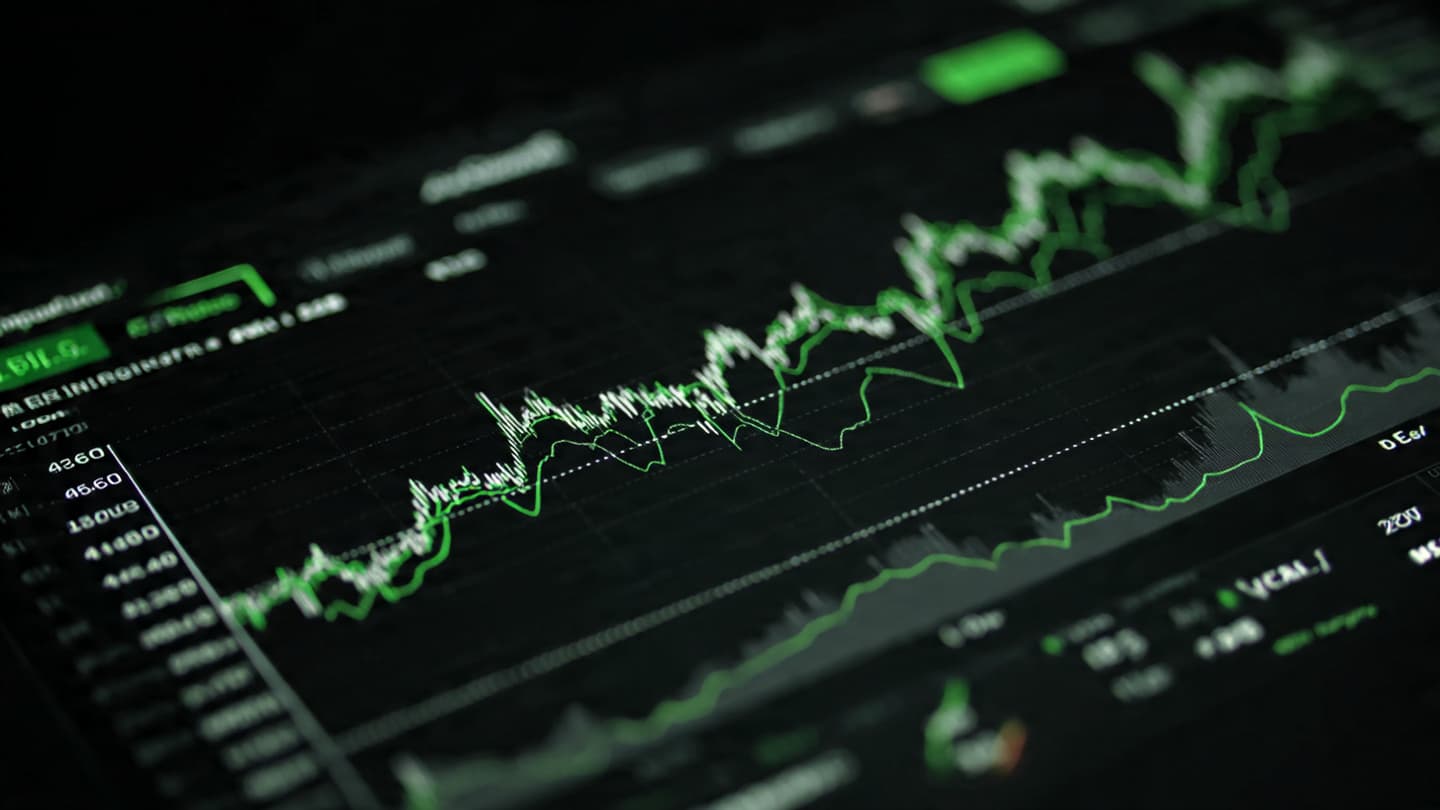
AI Disclaimer: AI-generated visuals used for illustrative and conceptual representation only.
Source Check: Bloomberg, Reuters, Financial Times, CNBC, Wall Street Journal
Note: This article was published on BanxChange.com and is powered by the BXE Token on the XRP Ledger. For the latest articles and news, please visit BanxChange.com