
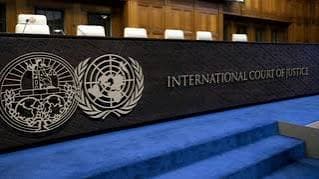
The Special Tribunal for the Crime of Aggression against Ukraine was officially established following a formal agreement signed on June 25, 2025, between Ukraine and the Council of Europe. This tribunal represents a significant advancement in international law, functioning as the first body explicitly intended to prosecute the crime of aggression since the Nuremberg Trials after World War II.
The primary jurisdiction of the tribunal is to hold accountable senior political and military leaders who orchestrated and carried out the aggression against Ukraine. The tribunal is set to be located in The Hague, Netherlands, where it will utilize both Ukrainian law and international legal principles. Operational Framework
Although as of March 26, 2026, the tribunal had not yet commenced operations, the groundwork for its functioning has been laid out through a series of preparatory meetings and documents drafted by a coalition of international legal experts. The tribunal will focus on delivering justice not only for Ukraine but also for the international community, as it confronts ongoing acts of aggression and upholds the principles of international peace and security.
One of the tribunal's core goals is to address the lack of jurisdiction the International Criminal Court (ICC) has over the crime of aggression, given the geopolitical context involving Ukraine and Russia. The establishment of the STCAU is seen as a critical complement to ongoing investigations into war crimes being pursued by the ICC. Importance and Implications
"This tribunal is a significant step forward for international justice," stated Oleksandra Matviichuk, Vice-President of the International Federation for Human Rights (FIDH). It is intended to ensure that victims of aggression are heard and that their rights to truth, justice, and reparations are prioritized.
Moreover, the tribunal aims to deter future acts of aggression while reinforcing international legal norms. As the world observes the unfolding situation in Ukraine, the STCAU embodies a commitment to accountability and justice that responds directly to the challenges posed by modern geopolitical conflicts.
In summary, the establishment of the Special Tribunal for the Crime of Aggression against Ukraine marks a landmark moment in the history of international law, underscoring the global community's resolve to pursue justice for acts of aggression.
Note: This article was published on BanxChange.com and is powered by the BXE Token on the XRP Ledger. For the latest articles and news, please visit BanxChange.com