Large rockets often symbolize more than engineering alone. Standing motionless on launchpads, they represent ambition suspended briefly between imagination and reality. SpaceX’s preparations for the first launch of Starship V3 now reflect another moment where technological experimentation meets humanity’s long-standing fascination with reaching farther into space.
According to recent reports, SpaceX is preparing the latest version of its Starship spacecraft system for an upcoming test flight. The new iteration, known informally as Starship V3, is expected to incorporate design improvements aimed at increasing reliability, payload capacity, and long-duration mission capability.
Starship remains central to SpaceX’s broader vision for future lunar missions, satellite deployment, and eventual crewed journeys toward Mars. Unlike many earlier spacecraft systems designed for limited reuse, Starship is intended to function as a fully reusable launch and transportation platform capable of carrying large cargo and human crews through deep space.
The development process, however, has not been without setbacks. Previous test flights demonstrated both remarkable technical progress and highly visible failures, including explosions during launch or reentry phases. SpaceX leadership has repeatedly described the program as an iterative engineering effort where testing, failure analysis, and redesign form part of the development strategy itself.
Supporters argue that such rapid experimentation has accelerated innovation within the aerospace industry. Critics, meanwhile, point to environmental concerns, regulatory questions, and the risks associated with large-scale rocket testing. Despite differing opinions, Starship has undeniably become one of the most closely watched spacecraft projects in the modern era.
NASA also maintains significant interest in the system because variants of Starship are expected to support elements of future Artemis lunar missions. This partnership reflects how government agencies increasingly rely on commercial aerospace companies to expand operational capabilities while reducing long-term launch costs.
The broader space industry has changed dramatically over the past two decades. Private companies now compete alongside national space agencies in areas once dominated exclusively by governments. Reusable rockets, commercial crew missions, and private satellite networks have gradually transformed the economics and pace of orbital operations.
Public fascination surrounding Starship extends beyond technical details. For many observers, the spacecraft symbolizes a renewed era of large-scale exploration ambitions. Mars colonization, lunar infrastructure, and interplanetary transportation—concepts once largely confined to science fiction—are increasingly discussed within serious engineering and policy conversations.
For now, Starship V3 remains grounded as engineers complete testing and launch preparations. Yet each stage of its development reflects a broader shift occurring within modern spaceflight: exploration is no longer defined solely by national prestige, but also by private innovation, commercial competition, and humanity’s continuing willingness to attempt extraordinarily difficult journeys beyond Earth.
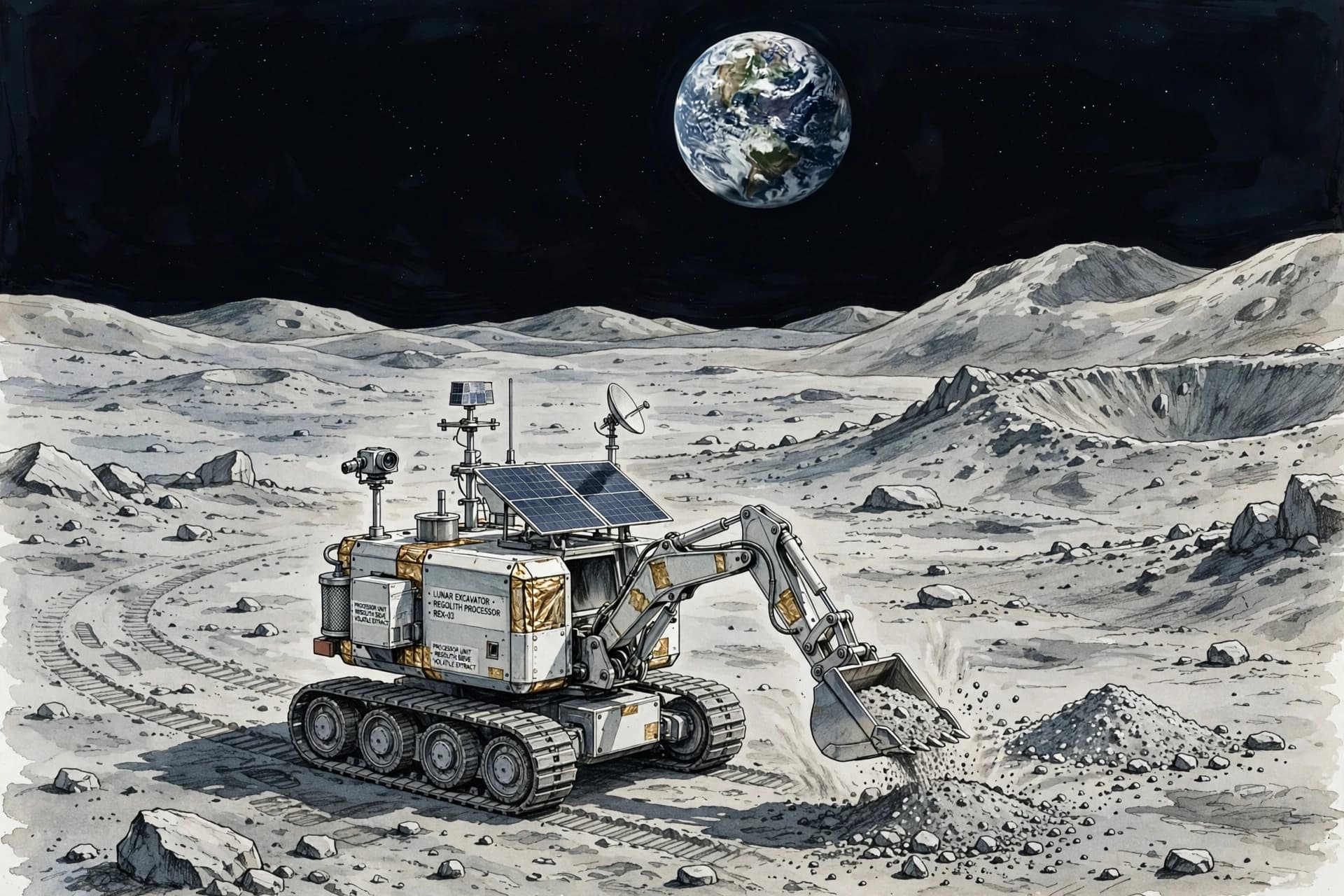
AI Image Disclaimer: Certain visuals accompanying this article may be AI-generated artistic representations of spacecraft and launch facilities.
Sources: Reuters, SpaceX, Space.com
Published by Banx Network. This article is part of the Banx decentralized media programme, powered by the BXE token on the XRP Ledger.