
On June 1, 2026, Hanwha Corporation, a leading South Korean defense contractor, announced its plans to cooperate with Algoma Steel to incorporate Canadian steel in the construction of military vehicles in Canada. This initiative stems from a memorandum of understanding (MOU) that aims to enhance local manufacturing capabilities, specifically in response to ongoing Canadian defense procurement efforts.
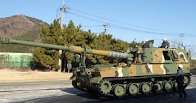
The joint venture is primarily linked to Hanwha's aspirations to secure a substantial government contract for submarine manufacturing in Canada, with the possibility of producing K9 Thunder self-propelled howitzers and other military vehicles. The venture underscores a commitment to bolster Canada's defense industry and ensure that domestic supply chains are utilized effectively.
Hanwha has pledged to invest up to USD 250 million in the partnership, contributing to initiatives that could include the establishment of a new beam mill at Algoma's facilities in Sault Ste. Marie, Ontario. This would not only help fulfill local defense commitments but also create jobs in the region, aligning with Canada’s industrial and technological benefits (ITB) framework.
Algoma Steel's CEO, Rajat Marwah, highlighted the significance of the partnership, stating that it represents a transformative step in the company's diversification strategy toward becoming Canada’s leading sustainable steel producer. The collaboration seeks to ensure that military vehicle production is supported by high-quality Canadian-made steel, which is crucial as the country modernizes its defense capabilities.
The cooperation is part of a broader strategy aimed at enhancing the operational resilience of the Royal Canadian Navy and ensuring that the military's material needs are met with local resources. As geopolitical tensions rise, the partnership between Hanwha and Algoma is poised to reinforce Canada’s defense posture while contributing to regional economic development.
This development follows a wave of increasing collaborations between South Korea and Canada in the defense sector, reflecting both nations' commitment to enhancing their military interoperability and manufacturing capacity for future defense needs.
Note: This article was published on BanxChange.com and is powered by the BXE Token on the XRP Ledger. For the latest articles and news, please visit BanxChange.com