
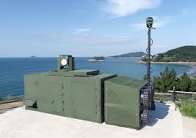
In a landmark technological advancement, South Korea is preparing to integrate laser weapon systems into its military framework to effectively combat North Korean drones. The Block-I system, developed by Hanwha Aerospace, is designed to intercept unmanned aerial vehicles (UAVs) with precision and efficiency. It can heat targets to over 700°C in just 10 to 20 seconds, effectively neutralizing threats without the need for traditional ammunition.
South Korea's Defense Acquisition Program Administration announced plans to deploy this system by the end of 2026, with initial test results demonstrating a 100% success rate in intercepting drones. The laser technology operates on electricity, offering a significantly lower operational cost of approximately 2,000 won (about $1.50) per shot. This is a stark contrast to the tens of thousands of dollars required for conventional missile defense systems.
The introduction of the Block-I system reflects South Korea's proactive stance against increasing drone activity from North Korea, which has raised significant security concerns. In December 2022, North Korea successfully sent drones across the border for the first time in five years, prompting South Korea to reevaluate its defensive measures.
While some experts express skepticism regarding the readiness and effectiveness of laser weapons—citing limitations in range and environmental factors—others emphasize that this technology could fundamentally change the dynamics of aerial combat. Analysts note that while initial deployment may focus on small drones, future iterations are expected to enhance capabilities for larger threats.
As the situation on the Korean Peninsula remains tense, South Korea's commitment to cutting-edge defense technology underscores its determination to secure its borders and maintain national security. The success of the Block-I system could pave the way for more advanced systems in the future, potentially changing the landscape of military defense in the region.
Note: This article was published on BanxChange.com and is powered by the BXE Token on the XRP Ledger. For the latest articles and news, please visit BanxChange.com