
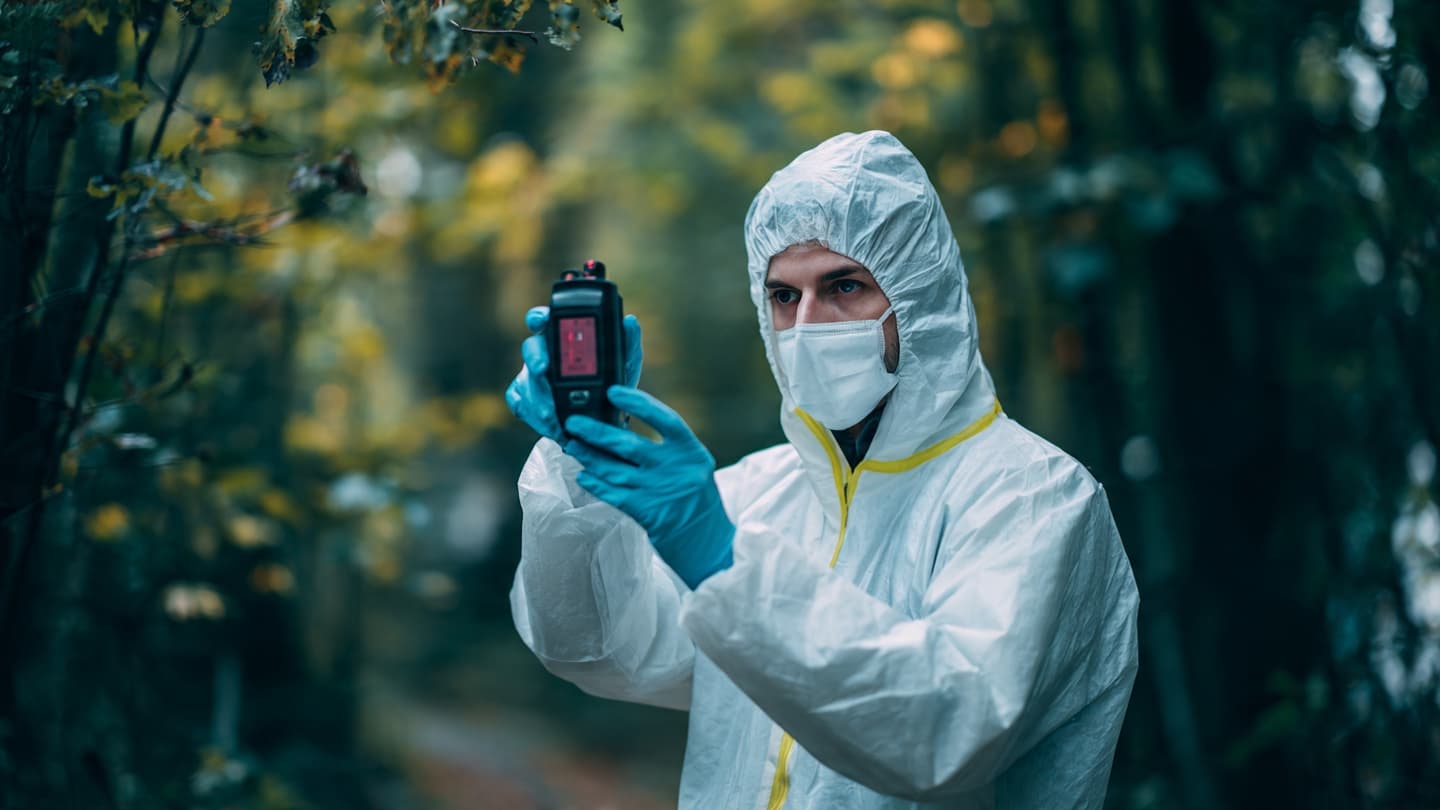
Scientific progress often arrives in forms that appear surprisingly modest. A handheld instrument may now perform analyses that once required transporting evidence to specialized laboratories, allowing investigators to gather critical information more quickly while preserving the integrity of a crime scene.
Recent advances in portable forensic technology are improving how investigators process evidence during criminal investigations. Devices using Raman spectroscopy, LIBS, and other analytical methods enable scientists to identify materials directly at crime scenes with greater speed.
These portable instruments can help investigators analyze unknown substances, detect chemical residues, and identify trace evidence without immediately removing samples from their original location. Early identification supports more informed investigative decisions.
Forensic experts emphasize that field-based analysis does not replace laboratory testing. Instead, portable technologies provide preliminary scientific information that guides investigators while comprehensive laboratory examinations continue under controlled conditions.
The growing use of portable instruments also reduces delays associated with transporting evidence between locations. Faster preliminary analysis may improve efficiency while helping investigators prioritize additional forensic testing.
Training remains an important component of implementation. Forensic personnel receive specialized instruction to ensure that portable devices are operated correctly and that scientific procedures remain consistent with accepted professional standards.
Researchers continue refining these technologies to improve sensitivity, accuracy, and reliability across different environmental conditions. Ongoing innovation is expected to expand the range of evidence that can be analyzed outside traditional laboratories.
As portable forensic tools become more widely adopted, they represent another example of science strengthening criminal investigations through practical innovation. Careful integration of new technology continues supporting accurate evidence collection while preserving the principles of scientific investigation.
AI-generated image disclaimer: This illustration was generated using AI for educational visualization and does not depict an actual investigation.
Source Verification: Spectroscopy Online, forensic science publications
Note: This article was published on BanxChange.com and is powered by the BXE Token on the XRP Ledger. For the latest articles and news, please visit BanxChange.com