The European Union has long prided itself on offering a sanctuary of stability amidst global turmoil, a beacon for those fleeing conflict and persecution. In a significant policy update, the EU has agreed to extend temporary protection for Ukrainian refugees until March 2028, ensuring continued safety for millions. However, this extension comes with a notable caveat: new restrictions for military-age men who leave Ukraine without official authorization. This decision is not merely a bureaucratic adjustment; it reflects the complex moral and strategic balancing act Europe faces in supporting Ukraine’s sovereignty while managing its own migration frameworks. It invites reflection on the duties of citizenship, the ethics of asylum, and the shared burden of defending democratic values.
Body: The Temporary Protection Directive, activated in 2022, has been a lifeline for over four million Ukrainians, granting them rights to work, study, and access healthcare across member states. The extension to 2028 provides much-needed certainty for these displaced individuals, allowing them to plan their lives with greater confidence. For families, children, and the elderly, this continuity is invaluable, offering a sense of normalcy in an otherwise disrupted existence. It underscores the EU’s commitment to humanitarian principles in the face of prolonged war.
However, the exclusion of military-age men who depart without permission marks a shift in tone. European leaders argue that allowing able-bodied men to evade conscription undermines Ukraine’s defense efforts and contradicts the spirit of solidarity. By restricting access for this specific group, the EU aims to align its migration policy with the broader goal of supporting Ukraine’s resilience. This move sends a clear message: protection is a privilege tied to collective responsibility, not just individual need.
The decision has sparked debate among human rights advocates and legal experts. Some argue that asylum should remain unconditional, regardless of gender or age, citing international refugee law. Others contend that the unique nature of this conflict, where national survival is at stake, justifies exceptional measures. The tension between universal rights and specific geopolitical realities highlights the difficulty of crafting policies that are both humane and strategically sound.
For Ukrainian men of fighting age, the restriction adds another layer of complexity to their choices. Those who have already left may find their status protected, but new arrivals without proper documentation face uncertainty. This distinction creates a two-tier system within the refugee community, potentially leading to social friction and administrative challenges. Member states will need to implement these rules carefully to avoid confusion and ensure fair treatment.
The practical implementation will vary across the 27 member states, each with its own administrative capacities and political climates. Some countries may enforce the restrictions strictly, while others might adopt a more lenient approach based on individual circumstances. Coordination among national authorities will be crucial to maintain consistency and prevent loopholes. Effective communication with the Ukrainian government is also essential to verify authorization documents.
Public opinion in Europe remains largely supportive of Ukrainians, but fatigue is setting in after years of conflict. The new rules may help address concerns about fairness and integration, reassuring citizens that the system is not being abused. By linking protection to compliance with Ukrainian law, the EU seeks to maintain public trust and political consensus. It is a delicate balance between compassion and accountability.
As the war continues, the EU’s stance may evolve further depending on military developments and diplomatic negotiations. The extension to 2028 provides a medium-term horizon, but the ultimate goal remains a peaceful resolution that allows refugees to return home. Until then, the bloc must navigate these difficult decisions with wisdom and empathy.
Closing: In the end, the EU’s extension of temporary protection with new restrictions is a pragmatic response to a protracted crisis. It balances humanitarian duty with strategic necessity, reflecting the complexities of modern solidarity. As Europe continues to support Ukraine, the hope is that these policies will contribute to both immediate relief and long-term victory.
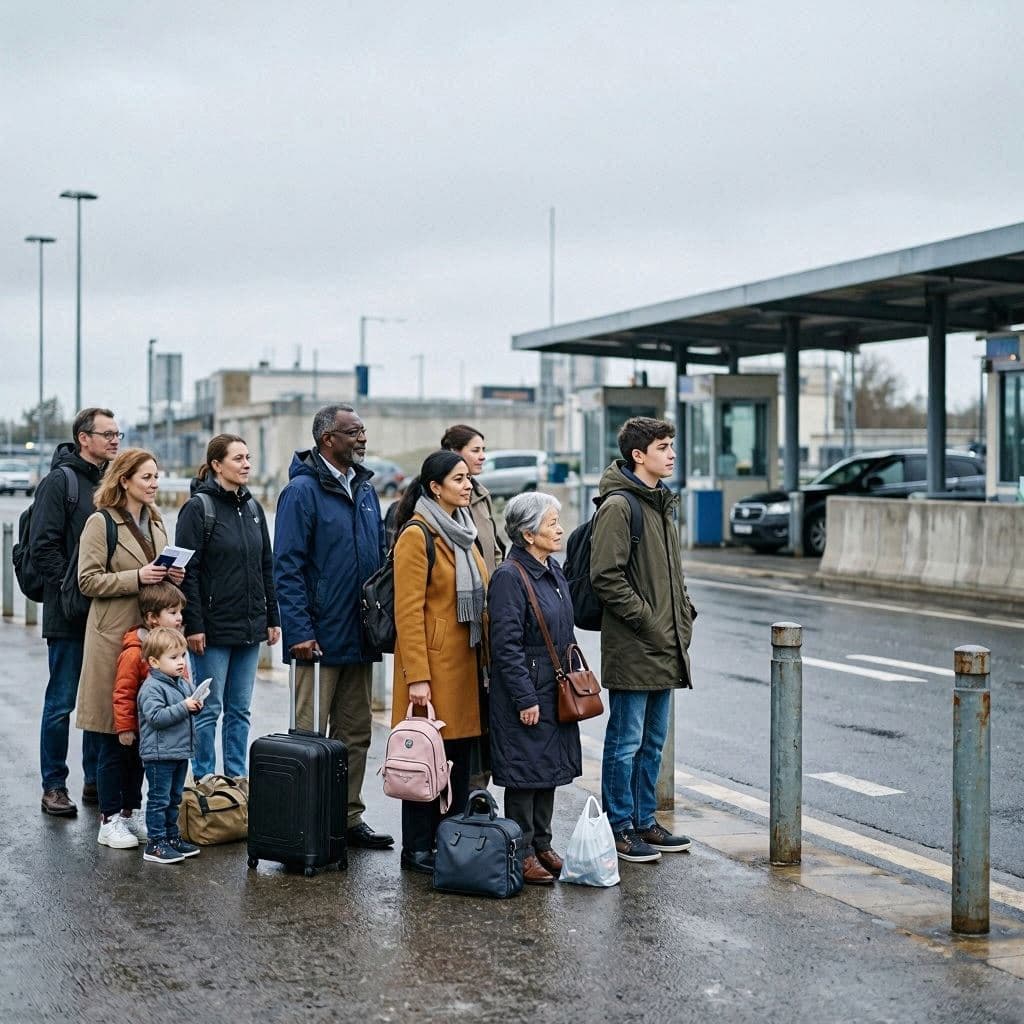
AI Image Disclaimer: Please note that any accompanying visuals for this narrative are artificially generated interpretations meant to evoke the spirit of the story, not documentary evidence.
Sources: Euractiv Le Monde Reuters
Published by Banx Network. This article is part of the Banx decentralized media programme, powered by the BXE token on the XRP Ledger.