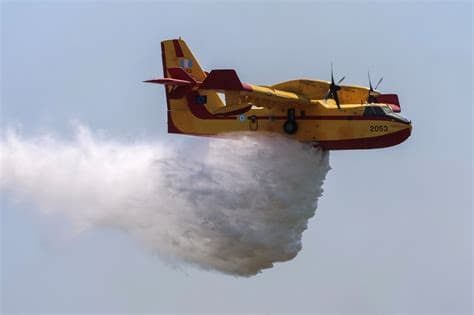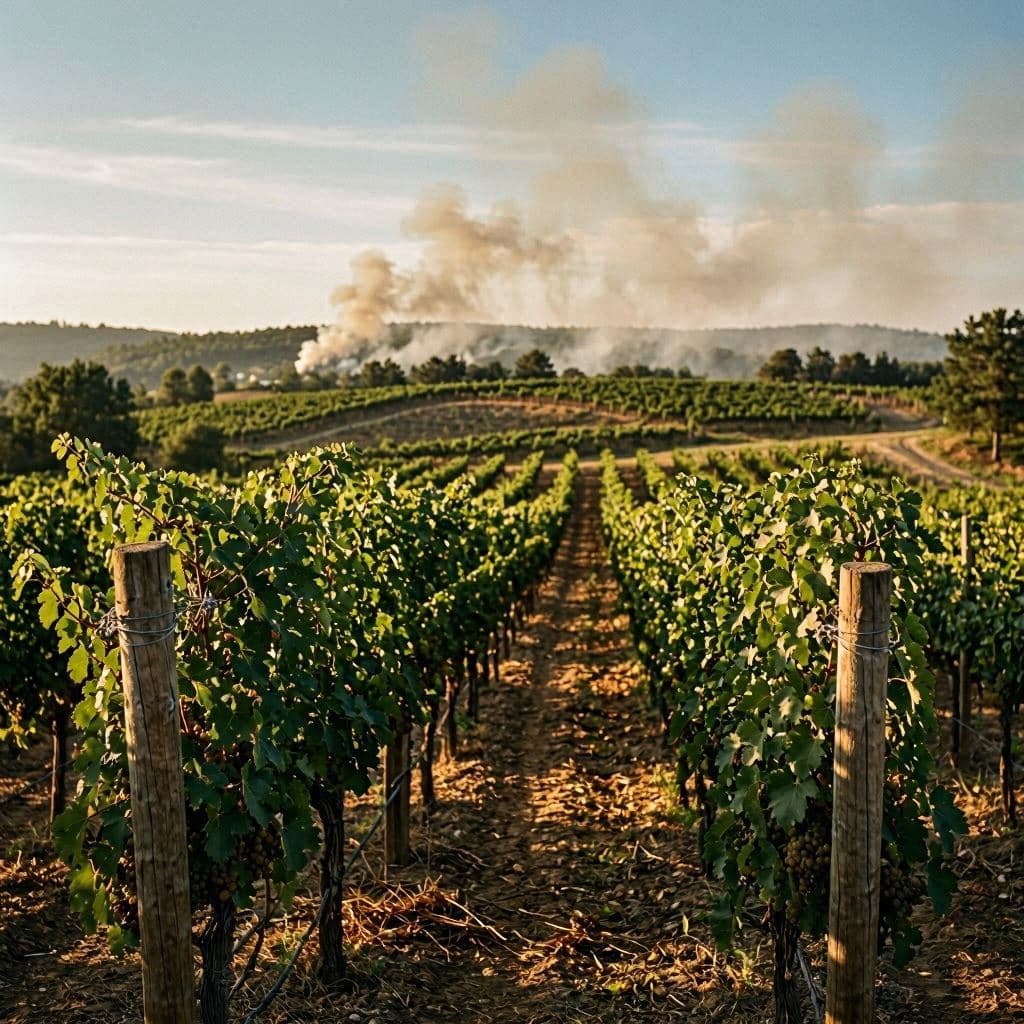
The vineyards of France are more than just agricultural plots; they are living museums of history, culture, and terroir, where the rhythm of the seasons dictates the character of the wine. For centuries, these rows of vines have stood as symbols of stability and tradition. Yet, in the summer of 2026, that stability is being tested by an enemy that does not respect boundaries or heritage: fire. As raging wildfires encroach upon the famed regions of Bordeaux and beyond, they threaten not only the harvest but the very way of life that has defined these communities for generations.
Body: The fires, fueled by record-breaking heatwaves and dry winds, have burned thousands of hectares of forest and scrubland, coming dangerously close to some of the world’s most prestigious estates. In the Gironde department, smoke has blanketed the skies, casting an eerie haze over the vines and raising fears among winemakers about the potential impact on the grapes. While the flames have not yet consumed vast swathes of vineyards, the proximity of the danger is enough to disrupt the delicate balance of the growing season.
For winemakers, the threat is twofold. Direct damage from fire is a catastrophic possibility, but the indirect effects of smoke taint—where grapes absorb smoky flavors that ruin the wine’s profile—are equally devastating. This phenomenon, known as "smoke taint," can render an entire vintage unsellable, wiping out a year’s income in an instant. The uncertainty hangs heavy in the air, mingling with the scent of ash and burnt pine.
Beyond the immediate economic loss, the fires underscore a broader existential challenge posed by climate change. France’s wine regions, once considered immune to such extremes, are now on the front lines of a warming planet. Winemakers who have relied on traditional methods for decades are forced to adapt, considering new grape varieties, irrigation systems, and firebreaks. The romantic image of the French vineyard is colliding with the harsh reality of environmental crisis.
Local communities have rallied together, with volunteers and firefighters working tirelessly to protect homes and businesses. The spirit of solidarity is strong, but so is the fatigue. Many residents have been evacuated, leaving behind their livelihoods to the mercy of the wind. The psychological toll is significant, as people watch the landscape they love transform into a zone of danger.
The economic implications extend far beyond individual farms. The wine industry is a cornerstone of France’s economy and global brand. Disruptions in production can affect export markets, tourism, and local employment. Insurance costs are rising, and some smaller producers face the risk of bankruptcy if they cannot recover from the losses. The stakes are high, not just for France, but for the global wine community that looks to these regions for inspiration and quality.
Government officials have pledged support, offering emergency funds and resources to aid in recovery and prevention. However, many argue that short-term aid is insufficient without long-term strategies to mitigate climate change. The fires serve as a urgent call to action, highlighting the need for sustainable practices and international cooperation to protect cultural heritage from environmental degradation.
As the fires continue to burn, the vineyards of France stand as a testament to resilience. The threat to this beloved way of life is real and pressing, demanding attention and action. Whether through adaptation or mitigation, the future of French wine depends on how well the nation can navigate the challenges of a changing climate.
AI Image Disclaimer: The visuals accompanying this article are AI-generated illustrations designed to represent the themes of wildfire threats to agriculture and cultural heritage.
Sources: Reuters, The New York Times, Associated Press, France 24
Note: This article was published on BanxChange.com and is powered by the BXE Token on the XRP Ledger. For the latest articles and news, please visit BanxChange.com