
There are seasons when the horizon appears distant yet familiar, and there are seasons when the view becomes blurred by forces that travel far beyond local boundaries. Across parts of Southeast Asia, concerns are once again emerging over the possibility of transboundary haze as forecasts point toward drier conditions associated with El Niño.
Environmental experts have warned that prolonged dry weather can increase the likelihood of forest and peatland fires, particularly in areas where vegetation becomes highly susceptible to ignition. Such events are closely monitored because smoke from large-scale fires can travel across national borders, affecting neighboring countries.
The issue is not new to the region. Previous haze episodes have demonstrated how environmental challenges can quickly become shared concerns among multiple nations. Reduced visibility, transportation disruptions, and air-quality deterioration have historically accompanied severe haze events.
Peatlands are a particular focus of attention. When peat-rich soils dry out, fires can burn beneath the surface for extended periods, making them difficult to detect and extinguish. These underground fires can continue producing smoke even after visible flames appear to be under control.
Public health authorities also remain alert. Fine particulate matter carried in haze can affect respiratory health, particularly among children, older adults, and individuals with preexisting medical conditions. Governments often prepare advisories and monitoring systems during periods of elevated risk.
Regional cooperation plays a significant role in addressing the challenge. Countries across Southeast Asia have developed frameworks for information sharing, environmental monitoring, and coordinated responses designed to reduce the impact of transboundary haze.
At the same time, environmental agencies continue emphasizing prevention. Land management practices, early-warning systems, and rapid response capabilities are increasingly viewed as essential tools in minimizing fire outbreaks before they expand.
Climate conditions remain an important variable. While not every dry season produces severe haze, forecasts suggesting warmer and drier weather have encouraged authorities to increase preparedness efforts across vulnerable areas.
As the region enters the months ahead, governments, scientists, and communities will continue monitoring conditions closely. The goal remains straightforward: reducing fire risks before smoke has an opportunity to cross borders and affect millions of people.
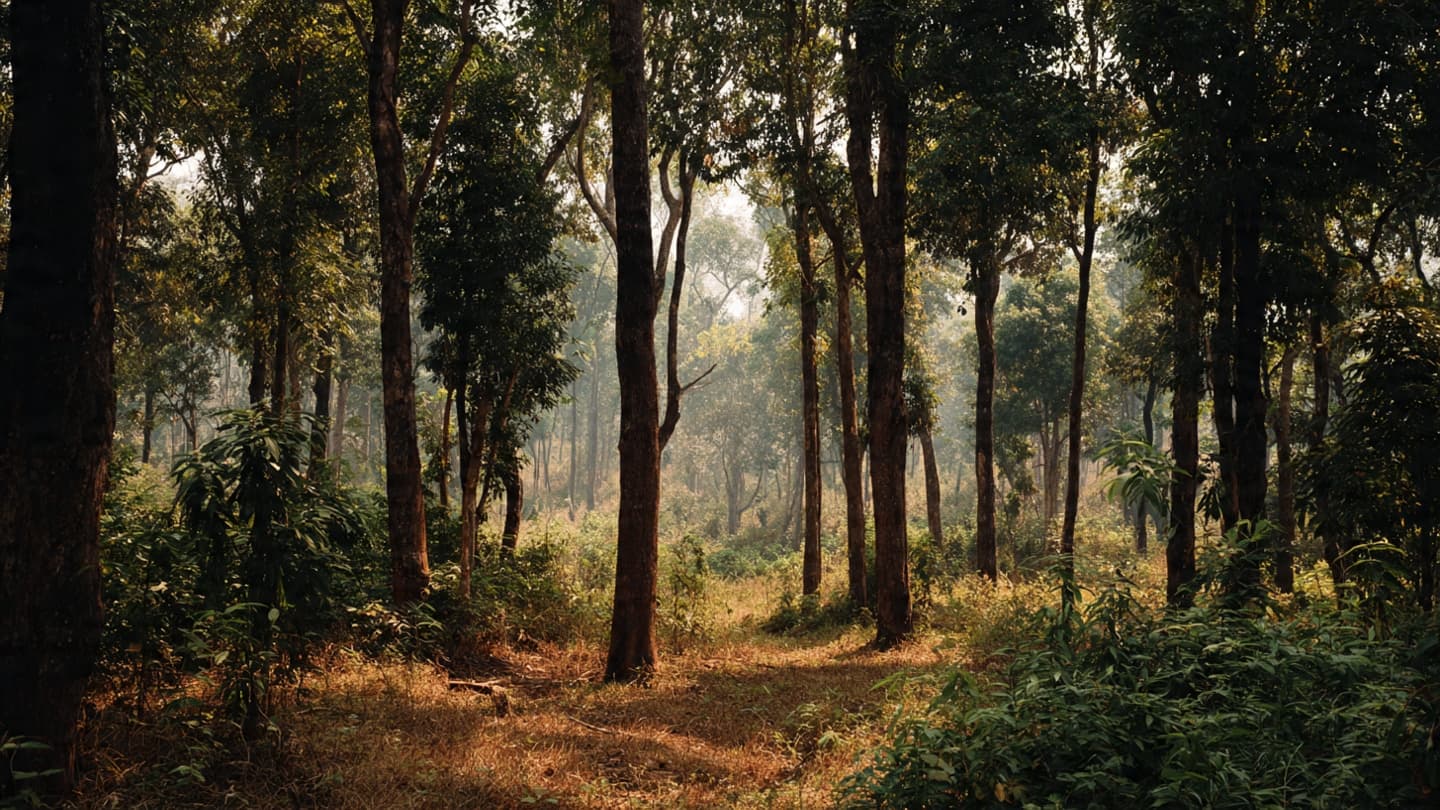
AI Image Disclaimer: This illustration was generated using AI technology to visually represent environmental conditions discussed in the article.
Sources Verification Check Deutsche Welle (DW) Reuters Associated Press (AP) ASEAN Environmental Reports World Meteorological Organization (WMO)
Note: This article was published on BanxChange.com and is powered by the BXE Token on the XRP Ledger. For the latest articles and news, please visit BanxChange.com