In the quiet corners of our urban sanctuaries, where the hum of city life often drowns out the subtle rhythms of nature, something unexpected has emerged. A small, black-bodied inhabitant, adorned with an orange-red shoulder mark like a forgotten badge of history, has made a quiet homecoming. Its presence in our community gardens, after a silence of more than sixty-five years, is a reminder that our urban landscapes are far more layered and persistent than we often dare to imagine. It is a homecoming that speaks to the hidden resilience of the wild, surviving in the margins of our paved world.
The rediscovery of this solitary bee species in Christchurch serves as a gentle correction to our human-centric view of urban sprawl. For decades, it was thought that this visitor from across the Tasman had vanished into the annals of local memory, or perhaps never truly established itself beyond a stray, isolated sighting. Yet, through the patient observations of citizen scientists and the rigorous inquiries of researchers, we have learned that this insect has been quietly tending to our flowering plants all along. It has moved among us, unnoticed and unnamed, performing its essential work in the overlooked spaces of our suburban existence.
This small creature, barely six to eight millimeters in length, belongs to a family of pollinators that are vital to the health of our environment, yet they rarely receive the attention afforded to more familiar, hive-building cousins. Unlike honeybees, which congregate in structured colonies, this species follows the solitary, ground-nesting life of its ancestors. It is a lifestyle that demands little and disturbs even less, making it a nearly invisible participant in the pollination that sustains our stone fruits, brassicas, and garden ornamentals. Its quiet labor is a testament to the importance of biodiversity in spaces we often consider purely ornamental.
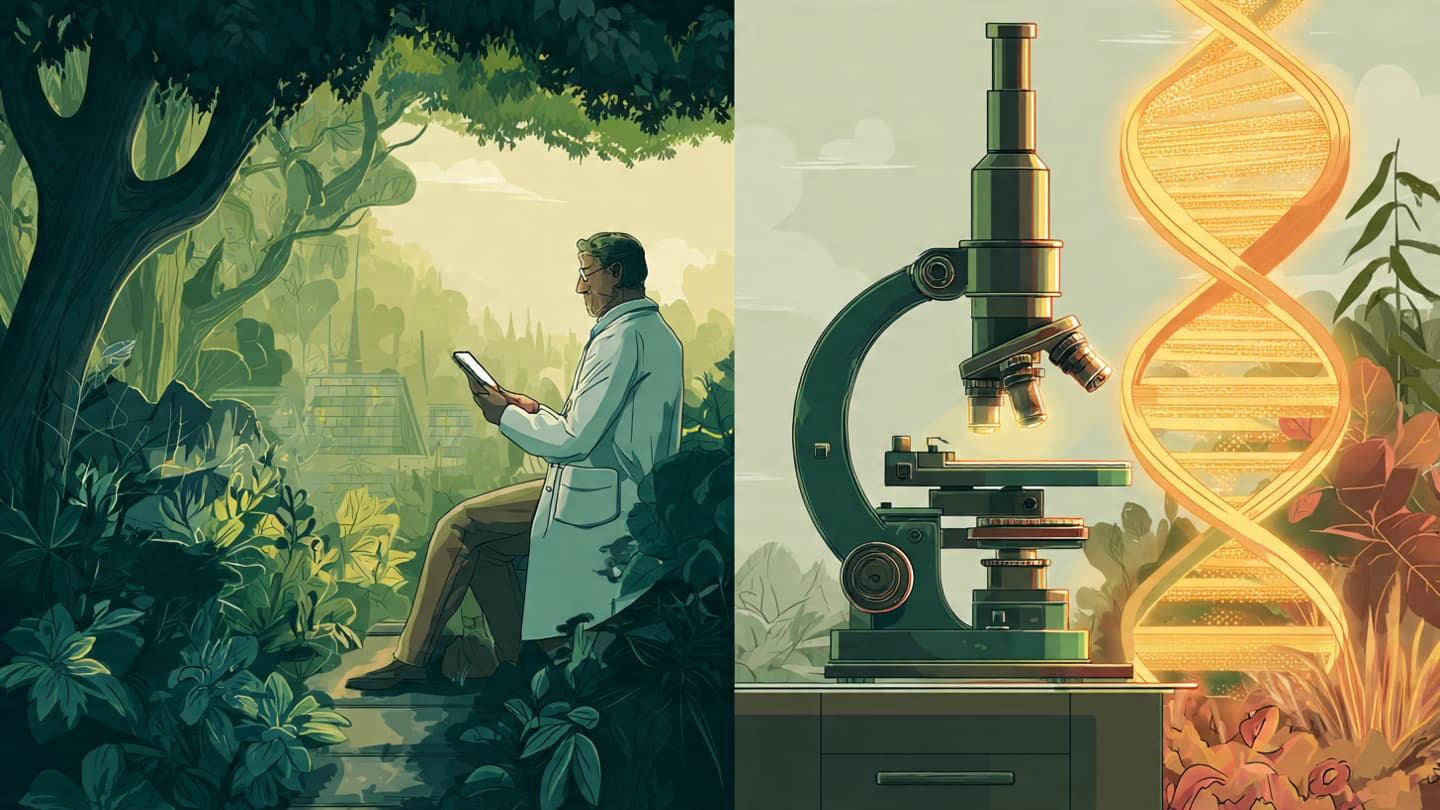
The journey to confirm its identity required the precise machinery of modern science. When unfamiliar specimens were flagged by keen-eyed community gardeners and subsequently collected, it was DNA analysis within laboratory settings that finally unraveled the mystery. This collaboration between public curiosity and institutional expertise illustrates a powerful model for understanding our local ecosystems. It shows that when we invite the public to become active participants in the stewardship of their own backyards, we can uncover histories and biological realities that would otherwise remain obscured by the passage of time.
There is a reflective comfort in knowing that this species is not an intruder, but rather a long-established neighbor that has quietly integrated into our urban floral networks. It is not considered a biosecurity threat, nor does it compete aggressively with the native pollinators that have called these islands home for millions of years. Instead, it seems to have found a niche within the diverse green spaces of the city, populating gardens from the heart of Christchurch down to the fringes of Lincoln. Its presence suggests that our urban environments, when cared for with intention, can be meaningful refuges for a wider variety of life than we assume.
The rediscovery also highlights the immense value of citizen science as a tool for ecological discovery. By leveraging digital platforms to record and share sightings, residents have built a living record of their surroundings that extends back several years. This collective observation has allowed researchers to trace the distribution of the bee across the city, providing a level of data that would be impossible to gather through traditional, isolated surveys. It is a reminder that the act of paying attention—of documenting the unfamiliar and the overlooked—is a foundational step in the preservation of our natural world.
Beyond the specific story of this bee, the event invites us to reconsider our relationship with the unglamorous patches of dirt and wild flora that define our suburban edges. We often curate our gardens for beauty, but perhaps we should also curate them for the endurance of life. When we plant for native pollinators and maintain patches of undisturbed ground, we are creating infrastructure for the unseen. This solitary bee, with its distinctive orange-red shoulder, is a symbol of the interconnectedness of our urban lives and the wild cycles that underpin them.
As researchers continue to study these populations, the narrative surrounding this rediscovery remains one of wonder rather than alarm. It is an invitation to look closer at the small, black bees that frequent our flowers, to appreciate the variety of forms that perform the vital labor of pollination. It challenges us to foster more diverse green spaces and to remain curious about what else might be living just outside our line of sight. In the end, the return of this bee is a quiet success story, a gentle ripple in the urban fabric that reminds us we are always sharing our space with a wider community.
Published by Banx Network. This article is part of the Banx decentralized media programme, powered by the BXE token on the XRP Ledger.