
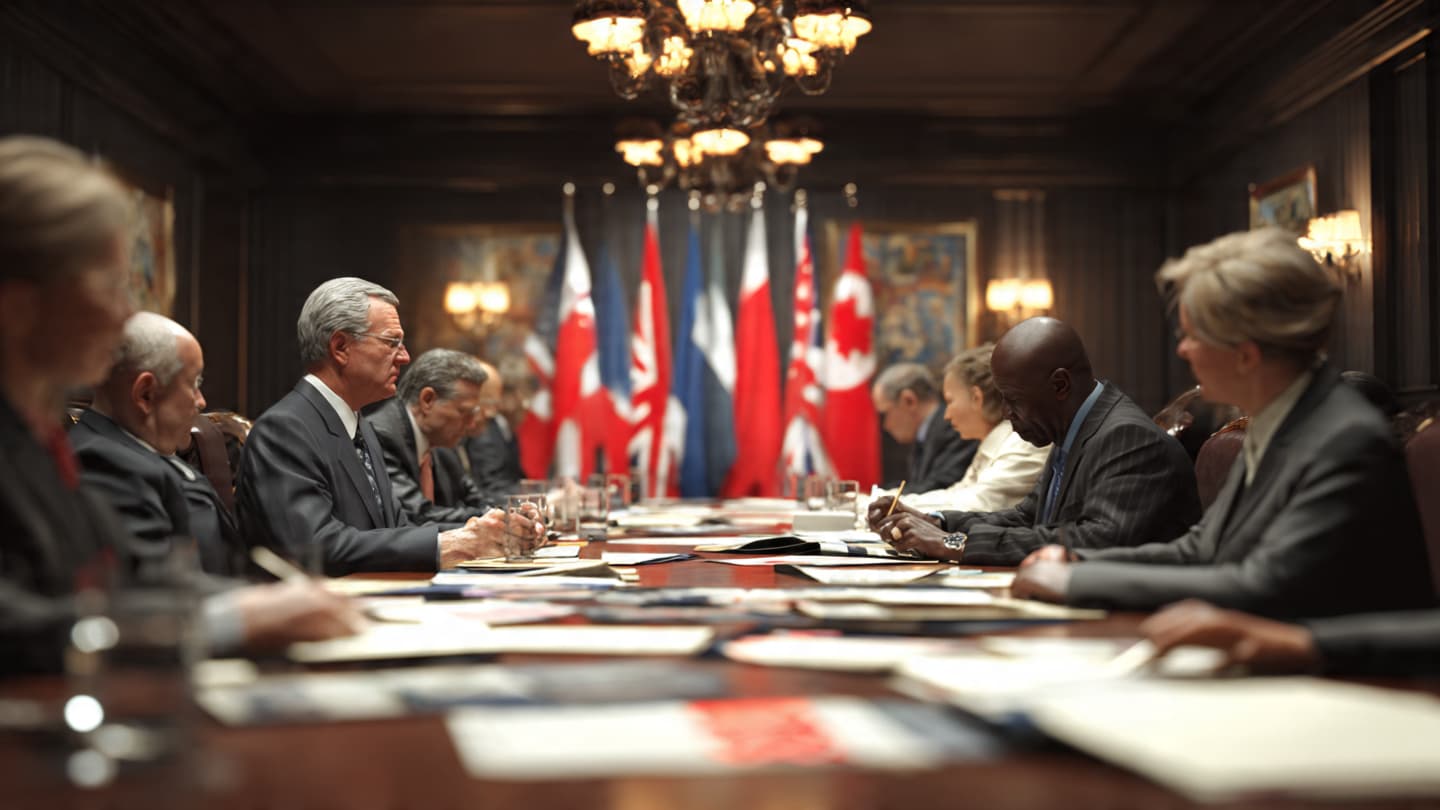
Diplomacy often unfolds like the careful tending of a garden. Progress cannot be forced overnight; it requires patience, structure, and a willingness to continue working even when results remain uncertain. The reported agreement between Iran and the United States to pursue a 60-day negotiation framework reflects this reality.
The framework establishes a timeline for continued discussions, providing negotiators with a defined period to address outstanding issues and explore areas of potential agreement. Such arrangements are commonly used to maintain momentum during complex diplomatic processes.
For both countries, the decision represents an acknowledgment that dialogue remains preferable to prolonged uncertainty. While differences continue to exist, the willingness to continue discussions suggests a shared interest in finding practical solutions.
Negotiation timelines serve several purposes. They create opportunities for focused engagement, encourage accountability, and provide participants with clear objectives. At the same time, they allow flexibility for addressing unexpected challenges that may arise during discussions.
International observers have responded with cautious optimism. Many governments support efforts that reduce tensions and promote communication, particularly in regions where instability can have broader global consequences.
The framework may also influence economic expectations. Businesses and investors often monitor diplomatic developments closely because improved relations can affect trade conditions, energy markets, and investment opportunities.
Analysts emphasize that deadlines alone do not guarantee outcomes. Successful negotiations depend on the willingness of all parties to engage constructively and address concerns through practical compromise.
The coming weeks are expected to involve detailed discussions covering multiple topics. Technical experts, diplomats, and policy advisors will likely play important roles in shaping proposals and evaluating possible solutions.
Throughout history, many significant agreements have emerged from structured negotiation processes. While not every effort leads immediately to success, sustained dialogue often creates opportunities that would otherwise remain unavailable.
As the 60-day period begins, expectations remain measured yet hopeful. The framework offers a chance to transform conversation into progress, demonstrating once again that diplomacy is often built not on certainty, but on persistence.
AI Image Disclaimer Images in this article are AI-generated illustrations, meant for concept only.
Source Check Credible sources identified
Reuters Associated Press Financial Times The Guardian New York Times
Note: This article was published on BanxChange.com and is powered by the BXE Token on the XRP Ledger. For the latest articles and news, please visit BanxChange.com