The ocean is a vast and resilient entity, yet it bears the scars of human error with a silence that is both profound and unsettling. In the waters of the Gulf, a growing oil spill has emerged as one of the most significant environmental challenges in recent years. Agencies warn that the slick, originating from a grounded tanker off the coast of Oman, is spreading rapidly and threatening marine ecosystems across a wide area. This crisis invites reflection on the fragility of our natural resources and the complex logistics required to contain such disasters. It is a moment where the beauty of the sea is marred by the weight of industrial consequence.
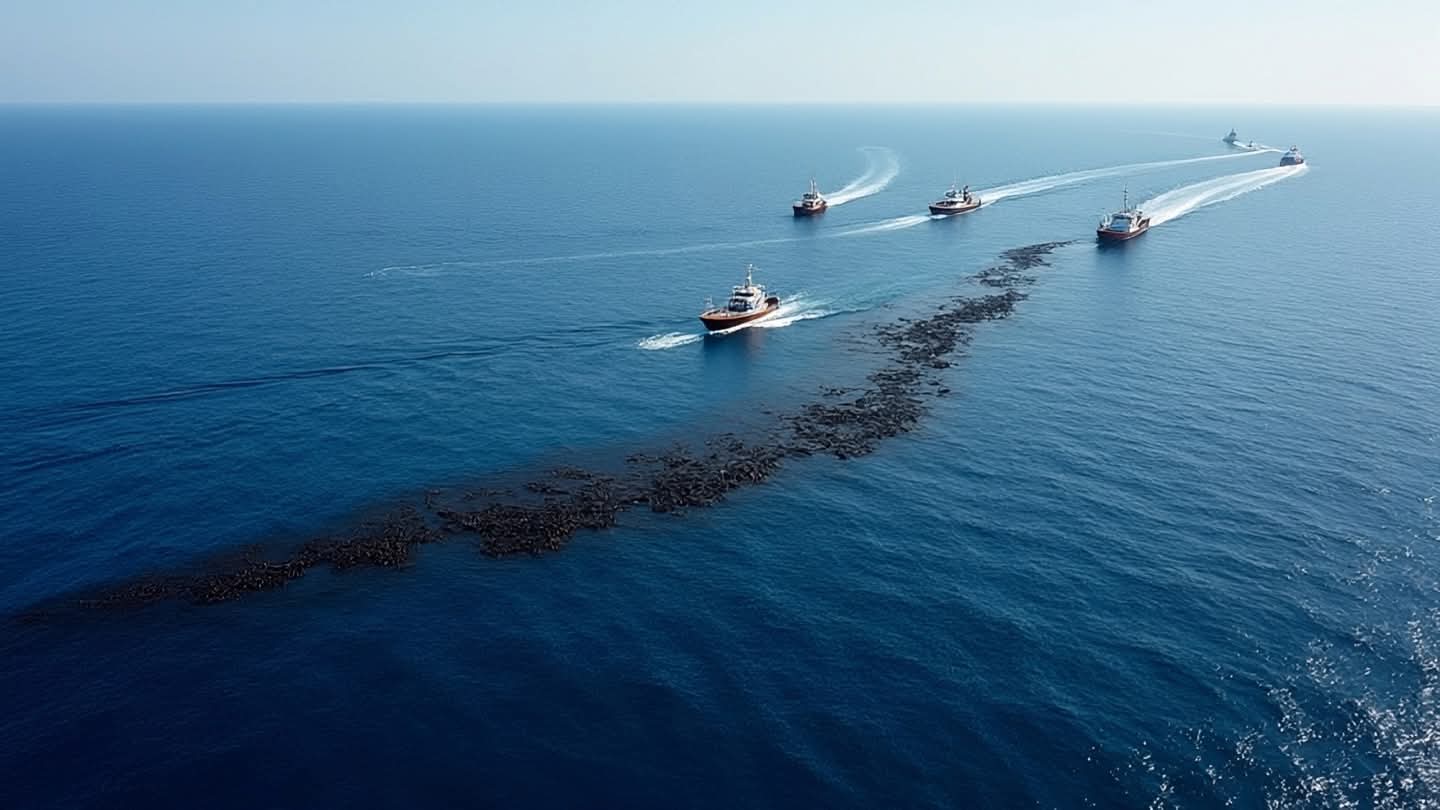
The spill began when the tanker Caroline Bezengi ran aground, releasing hundreds of barrels of crude oil into the water each day. Satellite imagery reveals a darkening patch that now covers hundreds of square kilometers, drifting with the currents and winds. Oil moves with purpose. Nature absorbs the shock.
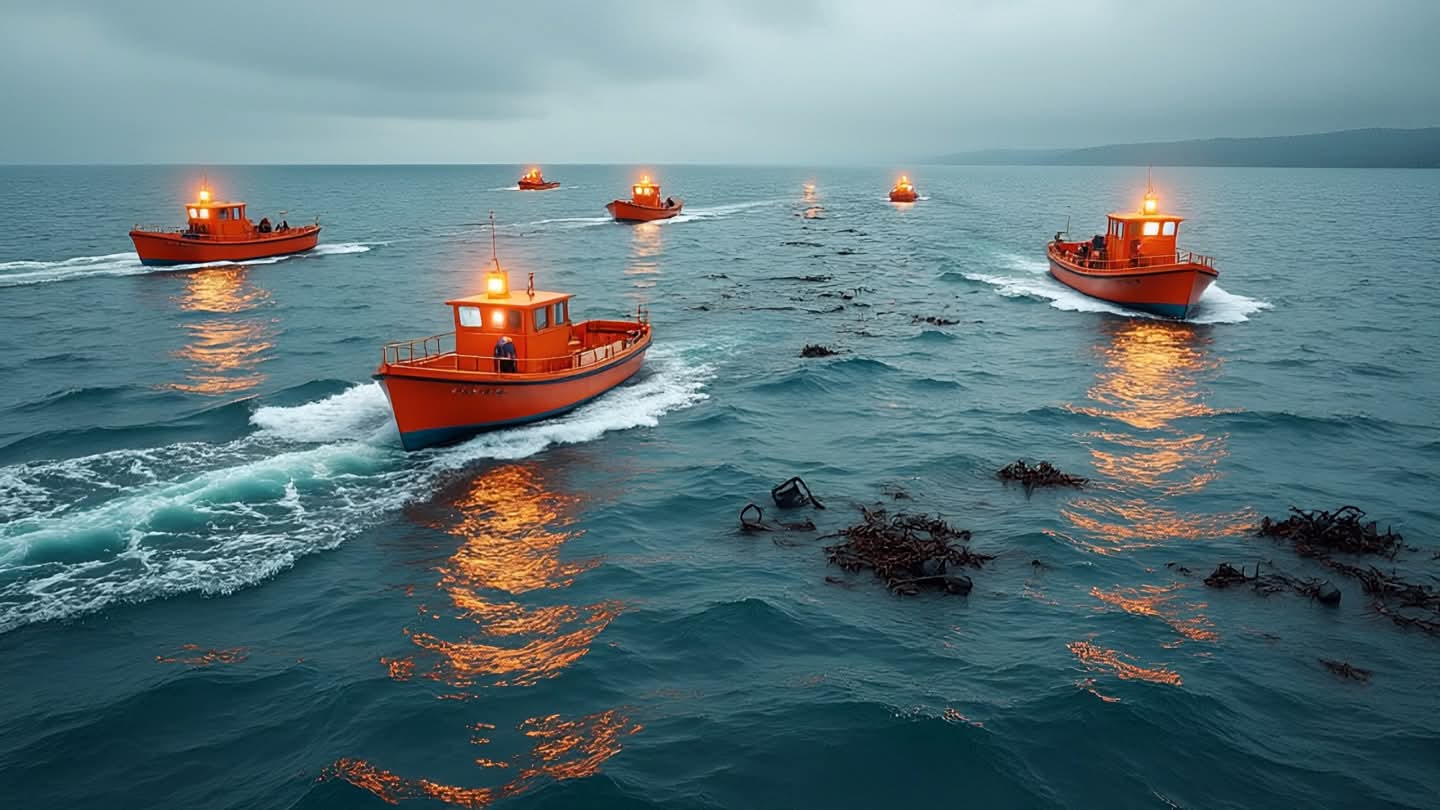
International response teams have mobilized to deploy booms and skimmers, but the scale of the leak presents a formidable obstacle. The remote location and challenging weather conditions have slowed containment efforts, allowing the oil to spread further than initially predicted. Distance complicates rescue. Time is critical.
For local fishing communities, the threat is immediate and personal. Livelihoods depend on healthy waters, and the contamination risks devastating their catch for seasons to come. Anxiety grows with the tide. Uncertainty shadows daily life.
Environmentalists are monitoring the impact on wildlife, particularly seabirds and marine mammals that may come into contact with the toxic substance. Cleanup operations are delicate, requiring a balance between removal and preservation of sensitive habitats. Care guides action. Protection is paramount.
As the situation evolves, questions arise about regulatory oversight and the safety standards of maritime transport. The incident serves as a stark reminder of the risks inherent in global energy supply chains. Accountability follows disaster. Prevention is essential.
An oil spill from the grounded tanker Caroline Bezengi in the Gulf is rapidly becoming one of the worst in years, prompting urgent international response efforts. Agencies warn of significant environmental damage as the slick spreads. The hope is for effective containment and minimal long-term ecological impact.
AI Image Disclaimer: The visual elements accompanying this report are AI-generated interpretations designed to reflect the environmental and maritime context of the story.
Sources: Reuters Al Jazeera Yahoo News
Note: This article was published on BanxChange.com and is powered by the BXE Token on the XRP Ledger. For the latest articles and news, please visit BanxChange.com