
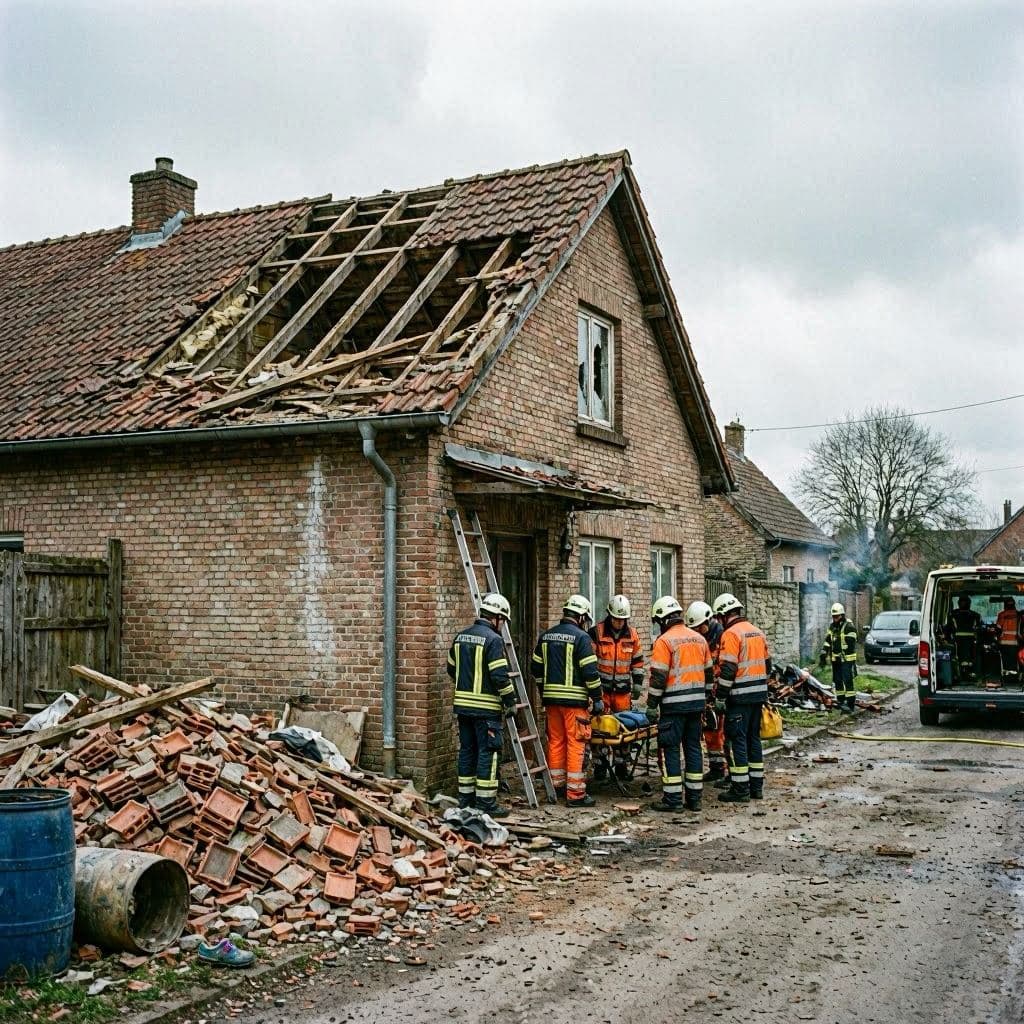
In the bustling towns of eastern Pakistan, education is often pursued with fervent dedication, even in modest settings. Tutoring centers serve as vital hubs for students seeking to improve their prospects, places where dreams are nurtured and futures are shaped. Tragically, one such center became a site of profound sorrow when its roof collapsed, claiming the lives of at least 14 children. The incident has shaken the local community, highlighting the urgent need for stricter building safety standards and oversight.
The collapse occurred during a regular class session, catching students and teachers off guard. Eyewitnesses described a sudden crash followed by clouds of dust and debris. Rescue workers rushed to the scene, digging through rubble in a desperate attempt to find survivors. The speed of the disaster left little time for escape, turning a routine afternoon into a nightmare for families who had sent their children there with hope and trust.
Initial reports suggest that structural weaknesses may have contributed to the failure. Many informal educational institutions operate in buildings that were not originally designed for heavy occupancy or may have undergone unauthorized modifications. In rapidly urbanizing areas, enforcement of construction codes can be lax, allowing unsafe conditions to persist. This tragedy serves as a stark reminder of the human cost of regulatory neglect.
The victims were young, their lives cut short before they could fully bloom. Their deaths have sparked an outpouring of grief across the region, with communities coming together to support the bereaved families. Vigils and prayers have become common sights, as people seek comfort in shared sorrow. The loss is not just statistical but deeply personal, affecting parents, siblings, and friends who must now navigate a future devoid of these bright young spirits.
Local authorities have launched an investigation to determine the exact cause of the collapse and to identify those responsible. Police have indicated that negligence may have played a role, and arrests could follow if violations are found. The goal is to ensure accountability and to prevent similar incidents in the future. However, for the families involved, justice cannot bring back their lost children, only provide a measure of closure.
This event also raises broader questions about the infrastructure of education in developing regions. As demand for schooling grows, so does the pressure to accommodate students in available spaces. Without adequate investment in safe facilities, the risk of such tragedies remains high. Advocates are calling for stricter inspections and better funding for public and private educational buildings to ensure they meet safety standards.
The psychological impact on the surviving students and teachers will be long-lasting. Trauma from such events can affect learning and well-being for years to come. Support services are being mobilized to help them cope with the shock and grief. Community resilience will be tested as they try to rebuild not just physically but emotionally.
In the end, the collapse of the tutoring center is a heartbreaking lesson in the importance of safety and care. It invites us to reflect on the value we place on the lives of children and the responsibilities we hold as a society. By honoring the memory of the victims through improved standards and vigilance, we can hope to prevent such sorrow from recurring. The children are gone, but their legacy must be one of change and protection.
AI Image Disclaimer: Please note that any images associated with this article are AI-generated interpretations intended for illustrative purposes only and do not represent actual photographs of the tragedy or victims.
Sources: Reuters Al Jazeera Dawn News BBC News The Express Tribune
Note: This article was published on BanxChange.com and is powered by the BXE Token on the XRP Ledger. For the latest articles and news, please visit BanxChange.com