
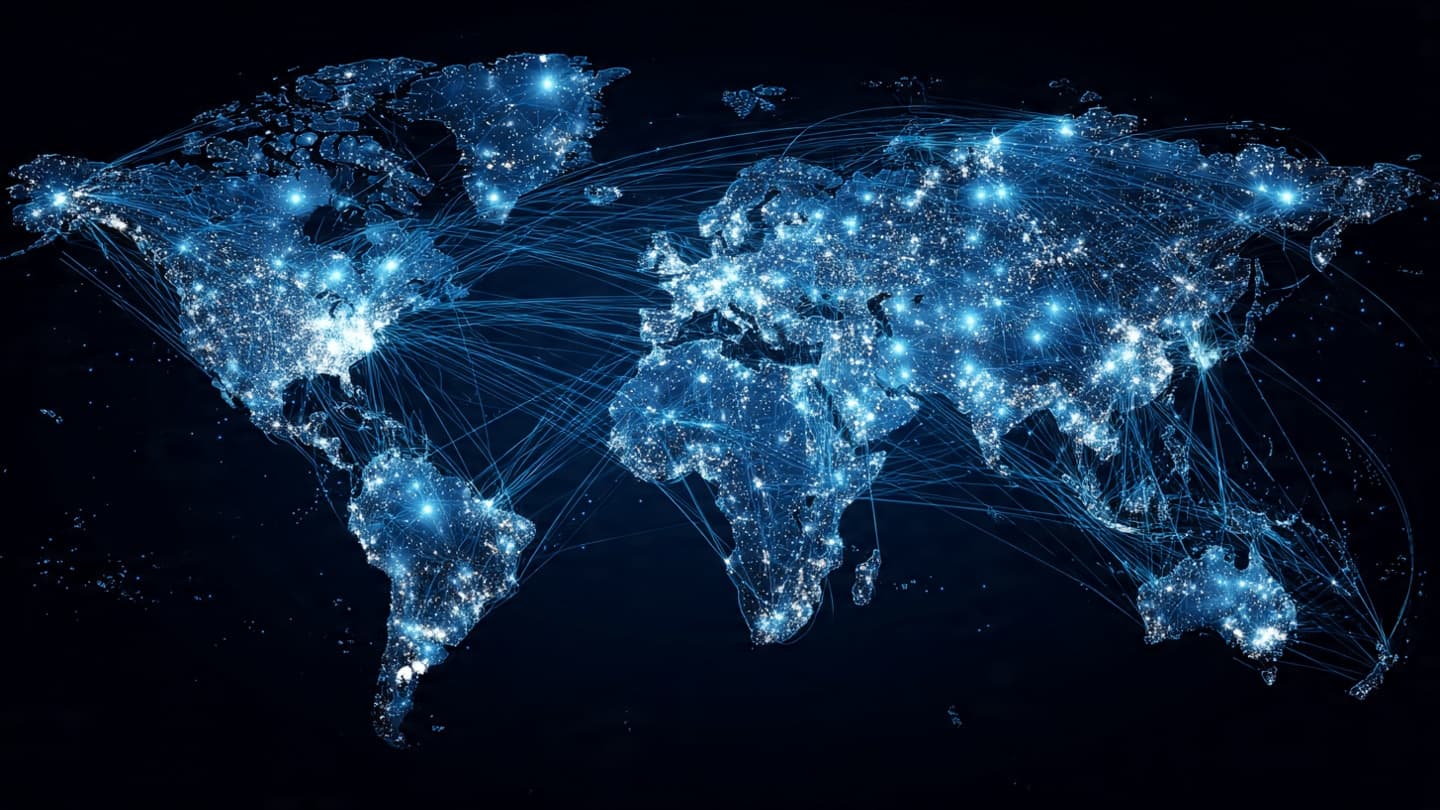
For centuries, the story of international relations has been a story of power—how it is acquired, how it is used, and how it is shared. Today, we are living through a period where the very nature of power is being redefined. The changes we see around us suggest that the way nations interact and influence one another is moving into a new phase, shaped by factors that would have been less recognizable in previous generations. Traditionally, power was often measured in terms of military strength, territorial size, or economic output. While these elements remain important, they are no longer the only, or even necessarily the dominant, factors. Today, influence is also derived from technology, cultural appeal, diplomatic skill, and the ability to build networks and partnerships. Soft power works alongside hard power, creating a more nuanced and multi-dimensional landscape. The rise of new economic and political centers has also contributed to this shift. The world is becoming less centered on any single region or group of nations, moving instead toward a more multipolar configuration. This brings greater diversity of views and interests into the global arena, making the decision-making process more consultative and sometimes more complex. Interdependence is another defining feature of the modern era. Countries are so closely linked through trade, communication, and shared challenges that actions taken by one inevitably affect others. This creates a situation where pure dominance is harder to achieve, and where cooperation often becomes not just an ideal, but a practical necessity. Technology has accelerated these changes dramatically. The ability to communicate instantly, to access information globally, and to project influence through digital means has altered the playing field. It has empowered non-state actors, increased transparency, and added new layers to how nations project their image and protect their interests. At the same time, traditional concerns such as security, sovereignty, and national interest remain deeply relevant. The desire to protect one’s people, values, and way of life continues to drive policy. The challenge lies in pursuing these goals within a context that is vastly different from the past, requiring new tools and new approaches. As we observe these developments, it becomes clear that we are witnessing a gradual restructuring of the international system. The rules, institutions, and relationships that have guided the world are being reviewed and adapted to fit new realities. This process is not always smooth or predictable, and it can give rise to tensions as different visions compete. Yet, there is also an opportunity in this transformation. A more diverse and interconnected world offers the possibility of richer cooperation and shared solutions. The key will be in how nations manage this transition, how they respect each other’s roles, and how they work to build a system that is stable, inclusive, and responsive to the needs of all. AI Image Disclaimer Illustrations were produced with AI and serve as conceptual depictions. Sources
• Foreign Affairs
• International Relations Theory
• The New York Times
• The Guardian
• Al Jazeera
Published by Banx Network. This article is part of the Banx decentralized media programme, powered by the BXE token on the XRP Ledger.


