
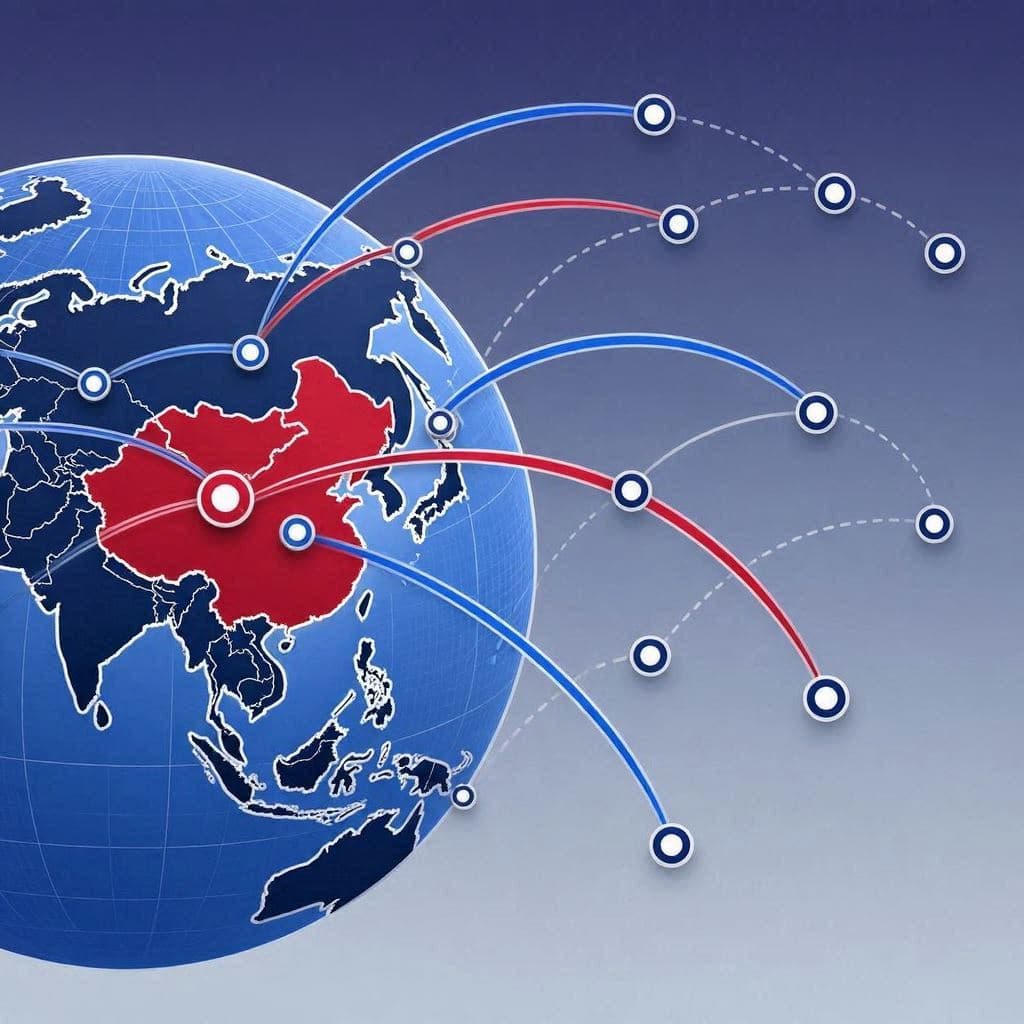
Global opinion is a shifting tide, influenced by economic currents, diplomatic engagements, and cultural exchanges. A recent study by the Pew Research Center suggests that in many parts of the world, favorable views of China are rising, while those of the United States face mixed reactions. This trend is not merely a statistical fluctuation; it is a reflection of changing geopolitical dynamics and the growing influence of developing nations. It invites reflection on the multipolar nature of the modern world, the appeal of alternative development models, and the importance of mutual respect in international relations.
Body: The study indicates that in regions such as Southeast Asia, Africa, and Latin America, China’s image has improved significantly. This shift is often attributed to China’s robust economic partnerships, infrastructure investments through initiatives like the Belt and Road, and its stance on non-interference in domestic affairs. For many developing nations, China represents a partner that offers tangible benefits without imposing political conditions. This pragmatic approach resonates with leaders and citizens seeking rapid development and sovereignty.
In contrast, views of the United States have become more polarized. While still admired for its cultural influence and democratic ideals, the U.S. faces criticism for its foreign policy interventions and perceived double standards. The complexity of American politics and its domestic challenges also affect its global standing. For some, the U.S. model appears less accessible or relevant to their immediate needs. This divergence highlights the diverse priorities of different regions.
China’s rise is not just economic but also cultural. The spread of Chinese language, media, and technology has increased its soft power. Confucius Institutes, Chinese films, and digital platforms like TikTok have created new channels for engagement. These cultural connections foster a sense of familiarity and appreciation, contributing to a more positive perception. It is a holistic approach to global influence.
However, the study also notes variations across different demographics and countries. In some Western nations, concerns about human rights and trade practices keep favorability low. This disparity underscores that global opinion is not monolithic. It is shaped by local contexts, historical relationships, and current events. Understanding these nuances is crucial for accurate interpretation.
For China, this growing favorability is a validation of its development path. It reinforces the narrative that there are multiple ways to achieve modernization and prosperity. The Chinese model, characterized by state-led growth and long-term planning, offers an alternative to Western liberal democracy. This diversity of models enriches the global discourse on governance.
International relations are increasingly defined by cooperation rather than confrontation. Countries are seeking partners who can help them address challenges like climate change, poverty, and infrastructure deficits. China’s ability to deliver on these fronts enhances its appeal. It is a testament to the power of practical collaboration.
As the world becomes more interconnected, the balance of influence will continue to evolve. The rise of China does not necessarily mean the decline of the U.S., but rather a redistribution of global power. A multipolar world requires dialogue, compromise, and shared responsibility. It is a complex but promising future.
Closing: In the end, the Pew study highlights a significant shift in global perceptions. It reflects the growing influence of China and the changing dynamics of international relations. As we navigate this new landscape, the hope is that nations will work together to build a more inclusive and prosperous world for all.
AI Image Disclaimer: The visual representations associated with this article are AI-generated artistic interpretations designed to illustrate the themes of global opinion and diplomacy.
Sources: Pew Research Center South China Morning Post BBC News
Note: This article was published on BanxChange.com and is powered by the BXE Token on the XRP Ledger. For the latest articles and news, please visit BanxChange.com