Key Highlights
- Sale Price:Alexander's Inc. sells Rego Park property for $235.5 million.
- New Ownership:Northwell Health acquires the site to enhance community wellness.
- Financial Impact:Transaction yields net proceeds of $203 million for Alexander's.
The geography of a city is rarely static, though it often appears so to the casual observer. Buildings stand as seemingly permanent sentinels of commerce and culture, yet beneath their concrete facades, there is a constant, almost imperceptible flux—a tide of ownership, utility, and purpose that shifts as the needs of the community evolve. In the borough of Queens, a site that has long anchored the intersection of Queens Boulevard and Junction Boulevard has recently undergone one of these quiet transformations. The Rego Park I property, a structure that has occupied its corner since 1959, has officially passed into a new chapter of its existence, marking a significant milestone for those who manage the legacy of these urban spaces.
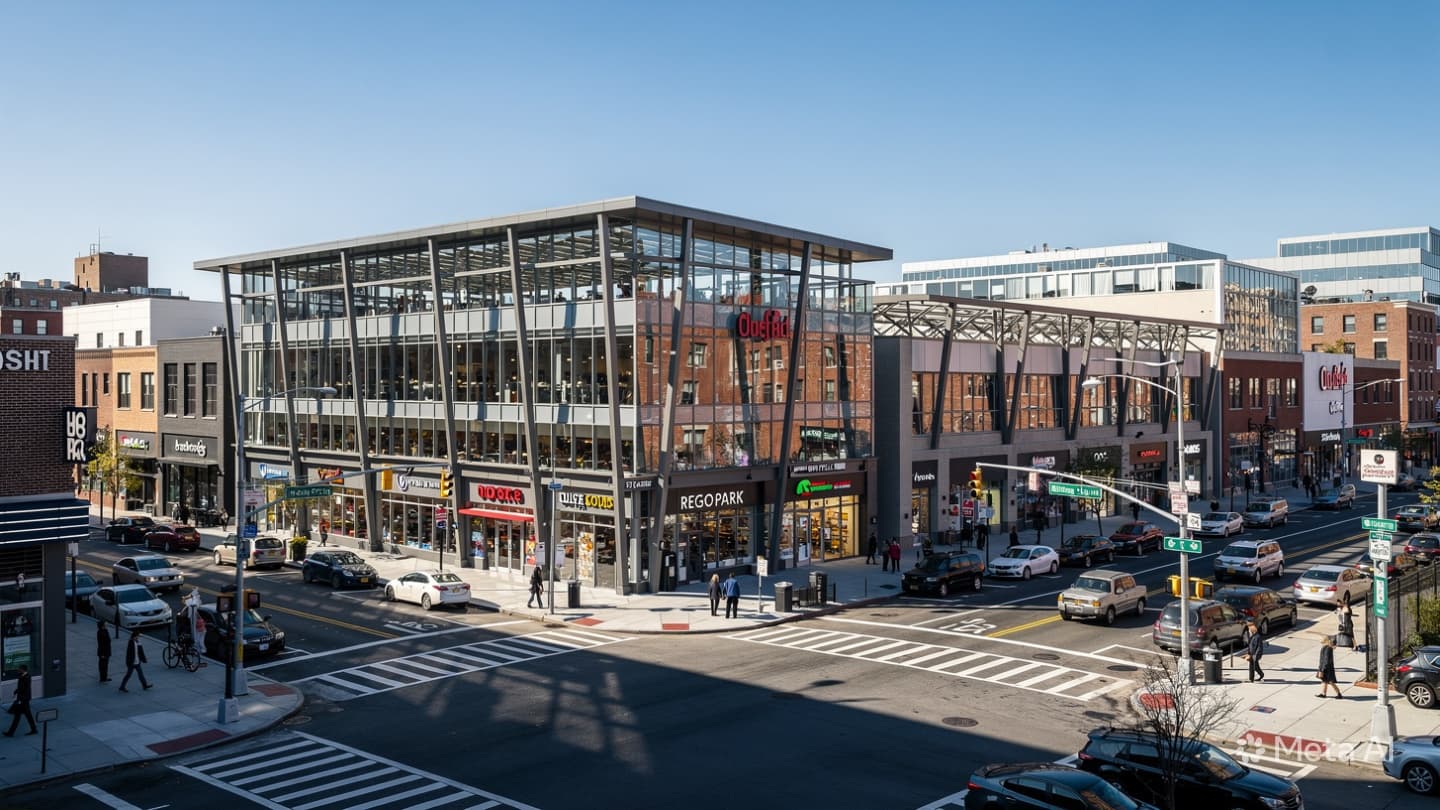
For decades, this three-story structure and its sprawling parking garage served as a hub of activity, a destination for the local rhythms of retail and commerce. However, the lifecycle of any commercial asset is governed by the broader currents of the market. Alexander’s, Inc., the real estate investment trust that has long stewarded the property, recognized that the building’s utility had reached a point of necessary transition. In a deliberate and methodical process, tenants were relocated to the adjacent Rego Park II center, effectively clearing the stage and leaving the asset unencumbered—a blank canvas ready for its next incarnation under the stewardship of Northwell Health, Inc.
The recent completion of the sale, totaling a gross purchase price of $235.5 million, is more than a mere exchange of capital; it is a reflection of the intricate chess game that defines institutional real estate. By divesting from this specific parcel, Alexander’s has not only unlocked substantial liquidity but has also streamlined its portfolio, focusing its resources on a more concentrated set of assets. The transaction, yielding net proceeds of $203 million after accounting for previous expenses, provides a clear view into the fiscal strategy that drives such high-value shifts in the urban landscape.
There is a reflective quality to such an event, a reminder that every piece of architecture carries a history of collective human movement. The decision to move on from a property built in the late fifties speaks to the tension between preservation and progress. For Northwell Health, the acquisition of this 5.9-acre site represents an opportunity to repurpose a landmark of retail history into a cornerstone of community wellness. It is a transition from the commerce of goods to the commerce of care, a pivot that mirrors the broader, ongoing renewal of New York City’s diverse neighborhoods.
Financially, the impact of this divestiture ripples through the balance sheets, offering a moment of clarity for investors and stakeholders alike. A financial statement gain of approximately $148 million, expected to be recognized in the second quarter, underscores the tangible value that can be extracted from long-held assets when the timing and the market align. It is a quiet confirmation of the trust’s ability to manage its holdings with both patience and precision, ensuring that the legacy of the company remains robust even as the physical boundaries of its portfolio contract.
As the dust settles on this transaction, one cannot help but notice the broader narrative it contributes to: the continuous refinement of New York’s commercial ecosystem. The city is a living organism, constantly shedding its old skins to make way for new structures and purposes. This sale does not end the story of that corner in Rego Park, but rather resets it. The parking garage that once held the cars of weekend shoppers may soon serve an entirely different demographic, reflecting the evolving priorities of a borough that is itself in the midst of a steady, transformative growth.
The human element, often lost in the discussion of millions and capital gains, remains the most compelling part of this narrative. It is found in the decisions made by the teams who planned the relocation of tenants, the architects who see the potential in a 1959 frame, and the investors who interpret these moves as signs of organizational health. There is a calm, analytical satisfaction in observing a plan move from its conception on a boardroom table to the final, binding signature on a deed. It is a reminder that the health of an organization, like the health of a city, depends on the capacity to adapt, to let go, and to look toward the horizon.
Ultimately, this transaction is a testament to the dynamic nature of urban development, where each sale and acquisition contributes to the larger narrative of growth and change in New York City.
Published by Banx Network. This article is part of the Banx decentralized media programme, powered by the BXE token on the XRP Ledger.