
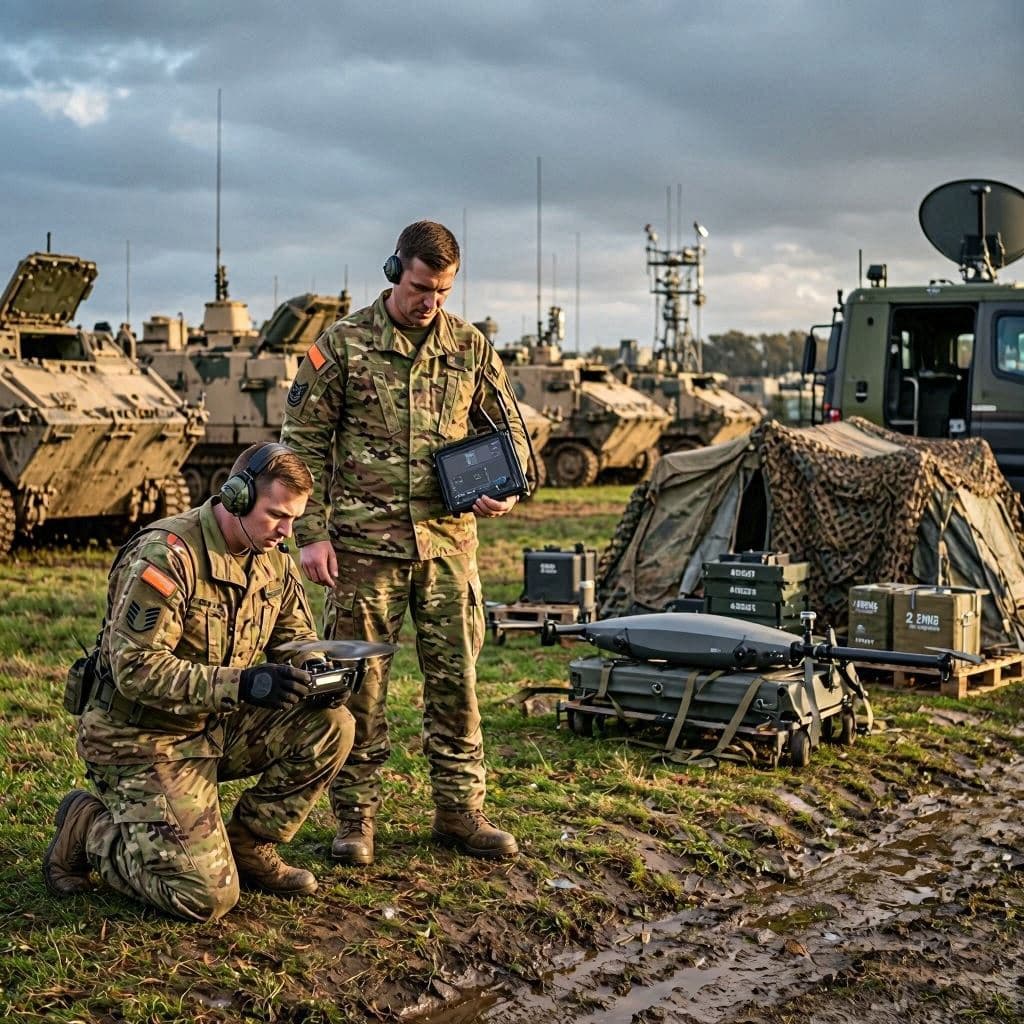
Across the seas that connect Australia and Southeast Asia, cooperation has long depended on more than geography alone. Shared waterways support global trade, fisheries, energy supplies, and countless communities whose livelihoods rely on safe and open maritime routes. As these waters become increasingly important to regional prosperity, governments are continuing to strengthen partnerships aimed at improving security, communication, and mutual resilience.
Recent diplomatic engagements have underscored Australia's commitment to expanding maritime security cooperation with neighboring countries in Southeast Asia. Defense and foreign policy discussions have focused on enhancing information sharing, improving interoperability between armed forces, and supporting joint training activities that strengthen regional preparedness while respecting the sovereignty of participating nations.
One significant step has been Australia's growing defense collaboration with Indonesia. The two countries have agreed to broaden existing security cooperation, including plans to develop trilateral defense initiatives involving Japan and Papua New Guinea. Officials from both governments have described these arrangements as practical efforts to strengthen defense professionalism, maritime awareness, and regional stability through cooperative engagement.
Maritime cooperation extends beyond military activities. Governments throughout the region continue working together to address illegal fishing, transnational crime, maritime safety, disaster response, and search-and-rescue operations. These areas of cooperation recognize that many maritime challenges cross national boundaries and are most effectively addressed through coordinated regional action.
Australia has also continued supporting broader Indo-Pacific partnerships through regional institutions and multilateral dialogues. Officials have emphasized that stronger maritime cooperation contributes not only to security but also to economic resilience by protecting critical shipping routes and maintaining confidence in international trade throughout the region.
Analysts note that today's maritime partnerships increasingly combine traditional defense cooperation with emerging areas such as cybersecurity, critical infrastructure protection, and maritime domain awareness. Advances in satellite technology, digital communications, and surveillance systems enable participating countries to share information more efficiently while improving responses to incidents at sea.
Regional leaders have consistently highlighted that cooperation is intended to complement, rather than replace, each country's independent decision-making. Maintaining open dialogue, transparency, and respect for international law remains central to many of the agreements currently being developed across the Indo-Pacific.
As Australia and its Southeast Asian partners continue strengthening maritime cooperation, the broader objective remains focused on preserving stability, supporting lawful maritime activity, and encouraging peaceful collaboration across one of the world's most economically significant regions. Through sustained dialogue and practical cooperation, participating nations continue building a framework designed to meet both present and future regional challenges.
AI Image Disclaimer: The images accompanying this article are AI-generated illustrations intended solely to visualize the subject matter and do not depict actual events or official meetings.
Source Verification: Reuters, Australian Department of Defence, Australian Department of Foreign Affairs and Trade
Note: This article was published on BanxChange.com and is powered by the BXE Token on the XRP Ledger. For the latest articles and news, please visit BanxChange.com