The sea off the coast has a way of hiding its secrets beneath an infinite expanse of rolling, blue-gray waves. To an observer standing on the cliffs, the small vessel moving along the horizon appears indistinguishable from the dozens of fishing craft that ply these waters daily, seeking the seasonal bounty of the currents. Yet, beneath the wooden decking and behind the weathered hull, a different kind of commerce moves through the shadows, tracing invisible lines that connect isolated beaches to distant markets. It is an old game played on a vast stage, where the vastness of the ocean serves as both a shield and a pathway for things meant to remain unseen.
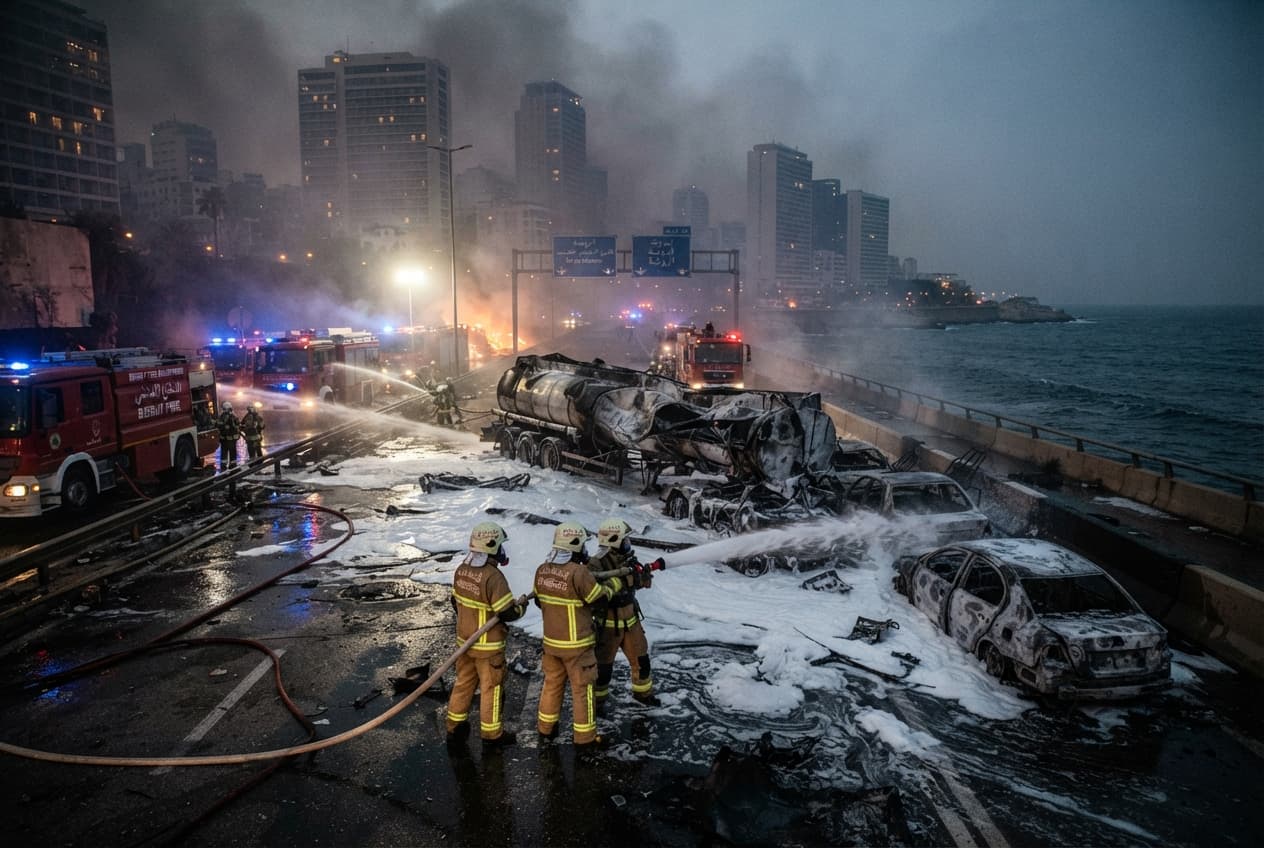
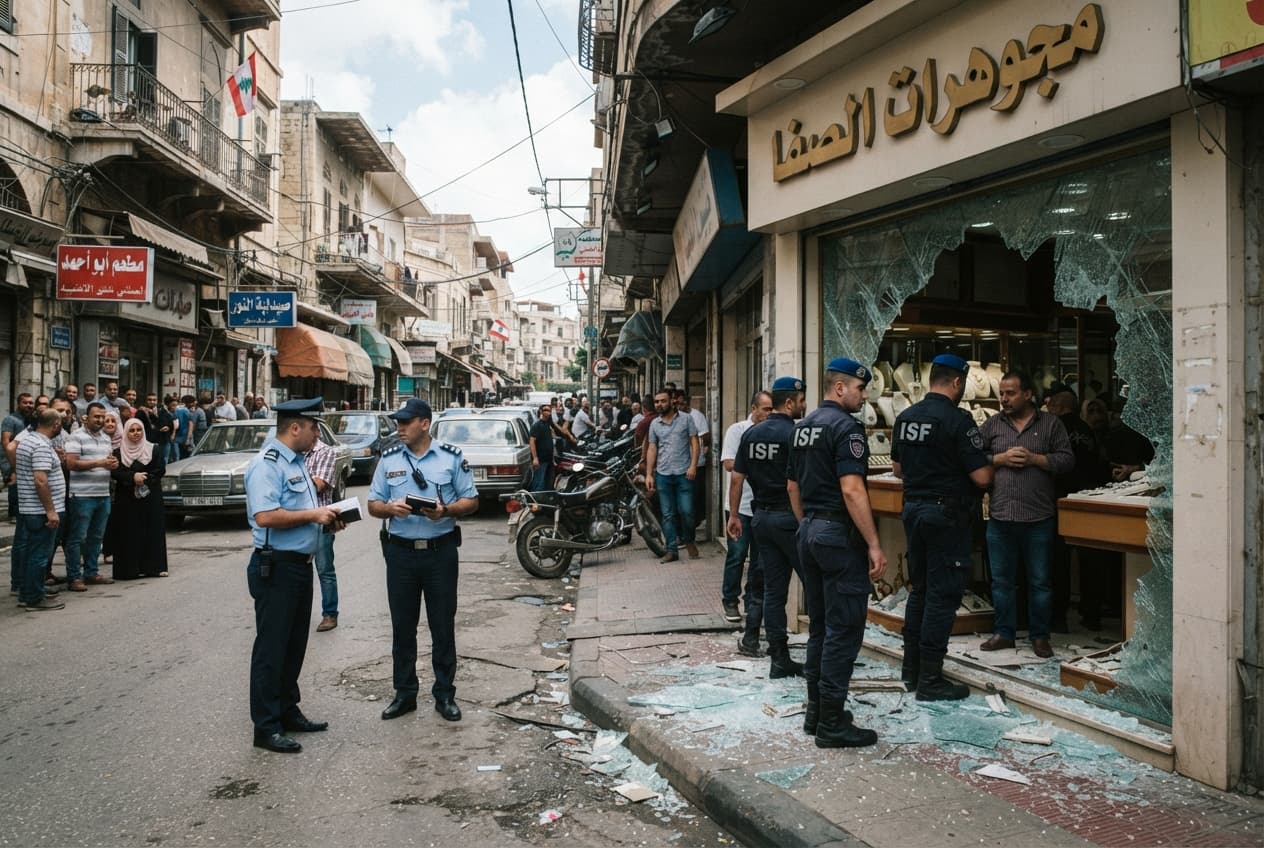
In the coastal cities, the pulse of life carries a sharper, more immediate rhythm, where the proximity to the water brings both wealth and a persistent undercurrent of vulnerability. Inside the crowded neighborhoods of Guayaquil and the seaside restaurants of Manta, the boundaries between safety and sudden disruption can sometimes feel as thin as a pane of glass. A quiet afternoon can be shattered in an instant, leaving behind the stark reality of an environment where competing interests clash away from the public eye. These incidents, occurring within the routine spaces of commerce and leisure, leave an indelible mark on the collective consciousness of the shoreline.
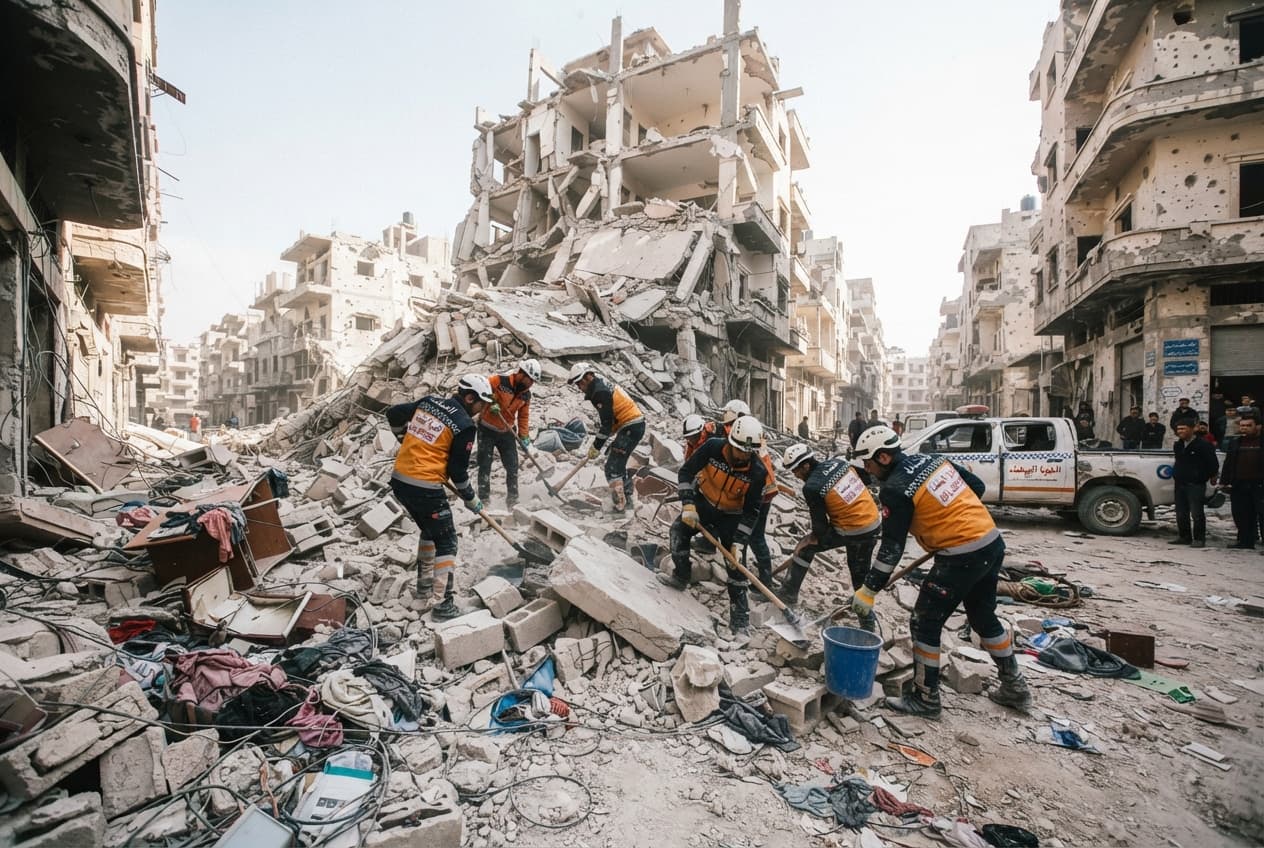
Further inland, behind the massive concrete walls of the Durán correctional facilities, the tension expresses itself in a more contained, concentrated form. Here, the air carries the heavy scent of old stone and iron, and the silence is periodically broken by the heavy tread of security forces conducting methodical searches through the cells. The discovery of automatic rifles and explosives hidden within these walls speaks to a subterranean network that operates parallel to the official structures of authority, a reminder that confinement does not always mean control.
The work of containment requires a quiet, repetitive vigilance that rarely makes its way into the light of common day. It is found in the long hours spent by maritime patrols scanning the empty horizons with radar, or in the meticulous investigative work that precedes an intervention in a quiet suburban jewelry store. These actions are performed not with the expectation of a permanent resolution, but as a necessary counterweight to the forces that seek to profit from the fragmentation of order.
When the state intervenes, whether on the open ocean or within the narrow confines of a urban storefront, the transition from surveillance to action is brief and decisive. The interception of a vessel at sea or the resolution of a hostage standoff in the capital are moments where the hidden tensions of the region break through the surface of daily life, forcing a temporary reckoning. Once the dust settles, however, the landscape quickly reassimilates the event, returning to its accustomed patterns of movement and waiting.
The coastal fringe remains a place of crossings, where goods, people, and intent converge in ways that defy simple categorization. The local populations carry on with their affairs, walking the malecons and opening their shops with a resilience born of long familiarity with the shifting tides of security. They understand that the tranquility of the view is often maintained by an invisible framework of enforcement that operates just beyond the line where the sky meets the water.
In the official reports released by the National Police and naval command, details emerged regarding the joint maritime operation that led to the secure boarding of the suspect vessel thirty miles off the coast. The cargo, concealed within modified ballast tanks, was cataloged at a secure facility before being transferred under armed guard for destruction. Simultaneously, the Ministry of the Interior confirmed that the six individuals detained during the Guayaquil operation have been placed in preventative detention pending formal arraignment before a federal judge
Published by Banx Network. This article is part of the Banx decentralized media programme, powered by the BXE token on the XRP Ledger.