In the rugged landscapes of northwestern Pakistan, where history is etched into the mountains and resilience is a daily practice, communities often gather to voice their collective desire for peace. Recently, such a gathering turned tragic when a suicide bomber targeted an antimilitant rally, claiming the lives of at least fourteen people. The attack serves as a stark reminder that the path to stability is fraught with peril, and that those who dare to speak out against violence often pay the highest price. It is a somber moment that invites reflection on the enduring cost of conflict in a region long accustomed to turbulence.
The rally was organized by local elders and civil society members who have grown weary of the influence of militant groups in their districts. These gatherings are typically spaces of dialogue and solidarity, aimed at reclaiming community safety through non-violent means. However, the presence of extremists who oppose such unity makes these events vulnerable to disruption. The bomber, blending into the crowd, struck with devastating precision, shattering the sense of security that the participants had hoped to build.
The victims included prominent community leaders and ordinary citizens who had come together to advocate for law and order. Their deaths are not just a loss of life but a blow to the social fabric of the region. Families are left to mourn loved ones who were killed while exercising their right to peaceful assembly, a fundamental democratic principle that remains under threat in many parts of the world. The grief is palpable, echoing through the valleys and villages affected by the incident.
Security forces have launched an investigation to identify the perpetrators and prevent future attacks. While counterterrorism operations have been ongoing in the region, this incident highlights the adaptability of militant networks and their willingness to target soft targets. The challenge for authorities is not only to apprehend those responsible but also to address the underlying grievances that allow such ideologies to take root. It is a complex task that requires both military precision and social engagement.
Local reactions have been a mix of anger and determination. Many residents refuse to be intimidated, vowing to continue their efforts for peace despite the risks. This resilience is a testament to the strength of the human spirit in the face of adversity. Community leaders are calling for greater protection for public gatherings, urging the government to provide adequate security measures without stifling civic participation.
The international community has condemned the attack, expressing solidarity with the people of Pakistan. Such expressions of support are important, but they must be accompanied by tangible assistance in strengthening local institutions and promoting economic development. Poverty and lack of opportunity often fuel extremism, so addressing these root causes is essential for long-term stability. Aid and investment can play a crucial role in building a more secure future.
Media coverage of the event has brought global attention to the ongoing struggles in northwestern Pakistan. It reminds the world that the fight against terrorism is not just a military campaign but a societal one. By highlighting the courage of those who stand up to militants, the narrative shifts from victimhood to agency, empowering others to join the cause for peace.
The bombing at the antimilitant rally is a tragic setback, but it does not extinguish the hope for peace in northwestern Pakistan. As the community mourns, it also reaffirms its commitment to resisting violence through unity and dialogue, proving that even in the darkest moments, the light of resilience endures.
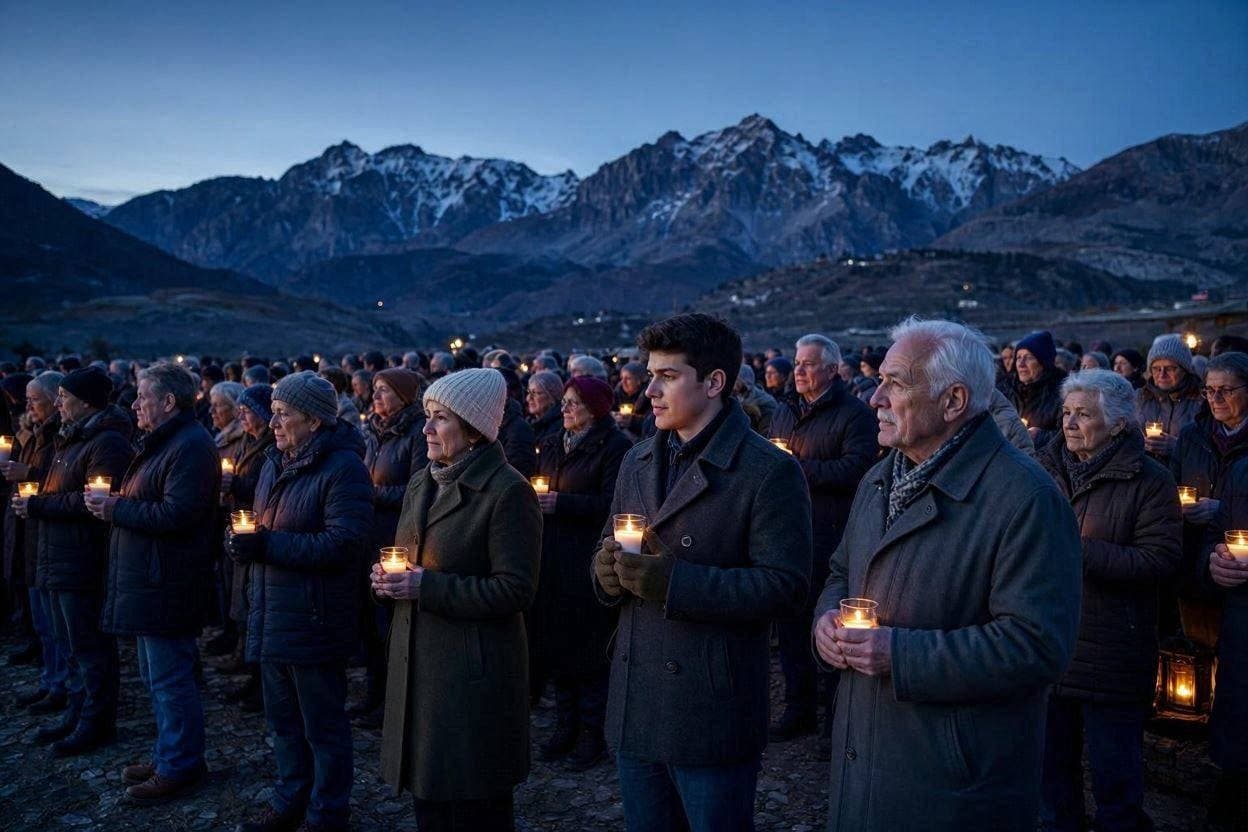
AI Image Disclaimer: The visuals accompanying this article are AI-generated illustrations designed to represent the themes of community resilience and mourning.
Sources: Al Jazeera, Reuters, Dawn, Associated Press
Note: This article was published on BanxChange.com and is powered by the BXE Token on the XRP Ledger. For the latest articles and news, please visit BanxChange.com