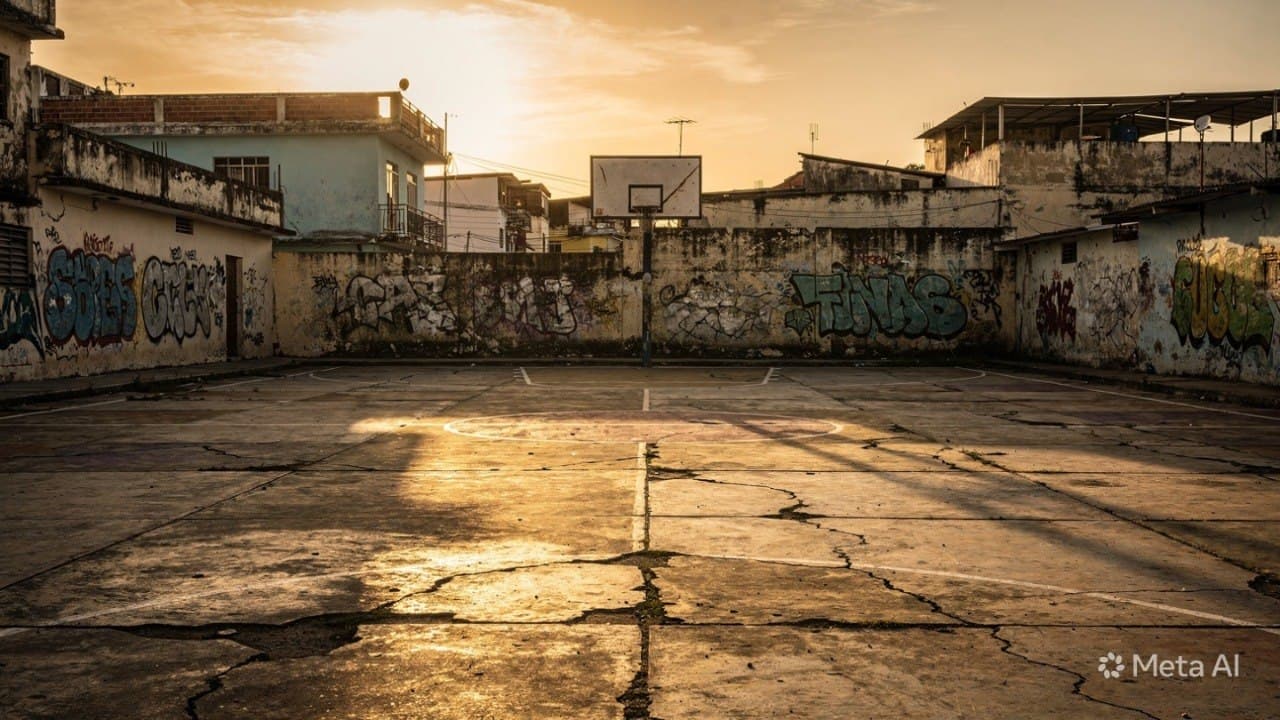
The sultry air of San Pedro Sula carries the heavy, humid breath of the northern valleys, a landscape where industrial promise has long coexisted with deep social fractures. Along the sun-baked pavements of the city’s peripheral neighborhoods, children have traditionally carved out spaces for play, their laughter rising above the distant hum of manufacturing plants and passing freight trains. These youthful sanctuaries, however, are becoming increasingly quiet as an old and pervasive shadow creeps deeper into the domestic spheres of the community. The vulnerability of youth in these sectors is not a novel narrative, but its current manifestation is drawing a renewed sense of profound urgency from international observers.
For the families residing within these densely populated corridors, the domestic threshold no longer offers the absolute sanctuary it once promised. The transition from childhood to adolescence has become a period marked not by discovery, but by an encroaching pressure to align with local non-state factions that dictate life in the margins. The coercion is rarely loud; it manifests in persistent overtures at school gates, quiet instructions delivered on street corners, and the slow, deliberate erosion of parental authority. Families watch their children grow with a mixture of pride and deepening anxiety, aware that physical maturity brings an unwanted visibility to those who seek new recruits for illicit enterprises.
The delicate fabric of youth protection in the region was thrust into the international spotlight this week through an extraordinary intervention from continental human rights monitors. The Inter-American Commission on Human Rights issued a formal warning, signaling a critical escalation in the methods and frequency of forced recruitment targeting adolescents across the Sula valley. This pronouncement lifts the issue out of the realm of localized domestic distress and frames it as a systemic crisis of human dignity that demands broader scrutiny. The language of the briefing points to a systematic breakdown of the protective buffers that civil society is supposed to provide for its youngest members.
The mechanics of this recruitment drive function by systematically exploiting the lack of institutional alternatives available to youth in marginalized urban settlements. In communities where educational infrastructure is under-resourced and formal employment feels like a distant abstraction, illicit factions position themselves as the sole arbiters of survival and belonging. For an adolescent, resistance to these overtures carries consequences that extend far beyond social exclusion, often resulting in immediate physical peril for their entire household. The choice presented to these young individuals is fundamentally a non-choice, shaped by the absolute dominance of local gang structures over the geography of the neighborhood.
This systemic encroachment has fundamentally altered the daily routines of families, who now employ complex strategies to shield their children from the gaze of local recruiters. Mornings are marked by chaperoned walks to school, even for older teenagers, and afternoons are spent behind locked doors rather than in community parks or soccer fields. The vibrant, public social life that once characterized these warm northern neighborhoods is gradually retreating indoors, leaving the streets oddly vacant during the hours when youth would normally congregate. This collective retreat reflects a profound loss of public space to the forces of intimidation.
The long-term societal consequences of this generational targeting are profound, threatening to hollow out the future human capital of San Pedro Sula’s most resilient communities. When a generation is systematically denied the opportunity to complete basic education or pursue peaceful livelihoods, the cycle of regional instability becomes self-perpetuating. Human rights advocates note that the psychological toll on these adolescents is immeasurable, as they are forced to carry anxieties and responsibilities far beyond their developmental years. The loss of youth autonomy represents an invisible drain on the region’s potential, compounding existing economic challenges.
Furthermore, the situation exposes the limitations of purely reactive security measures that fail to address the underlying socioeconomic drivers of gang alignment. While police sweeps and neighborhood checkpoints provide a temporary visual deterrent, they rarely dismantle the pervasive social control that gangs maintain over the daily lives of residents. Without comprehensive investments in youth mentorship, vocational training, and community-led protection frameworks, the systemic pull of the streets remains a formidable adversary to the preservation of young lives.
In its official communication, the Inter-American Commission urged the Honduran state to design and implement comprehensive public policies specifically tailored to prevent the forced recruitment of minors in high-risk zones. The international body emphasized the necessity of creating multi-layered protection mechanisms that combine immediate physical security with deep social investments in the Chamelecón and Rivera Hernández sectors. State officials acknowledged the warning, noting that existing youth welfare programs are currently under review to better align with international standards of minor protection. The community now waits to see if these administrative declarations will translate into tangible safety on the streets where their children walk.
Published by Banx Network. This article is part of the Banx decentralized media programme, powered by the BXE token on the XRP Ledger.
.jpg&w=3840&q=75 "Blake Lively Awarded $400,000 in Legal Fees After Justin Baldoni Lawsuit Dismissed")