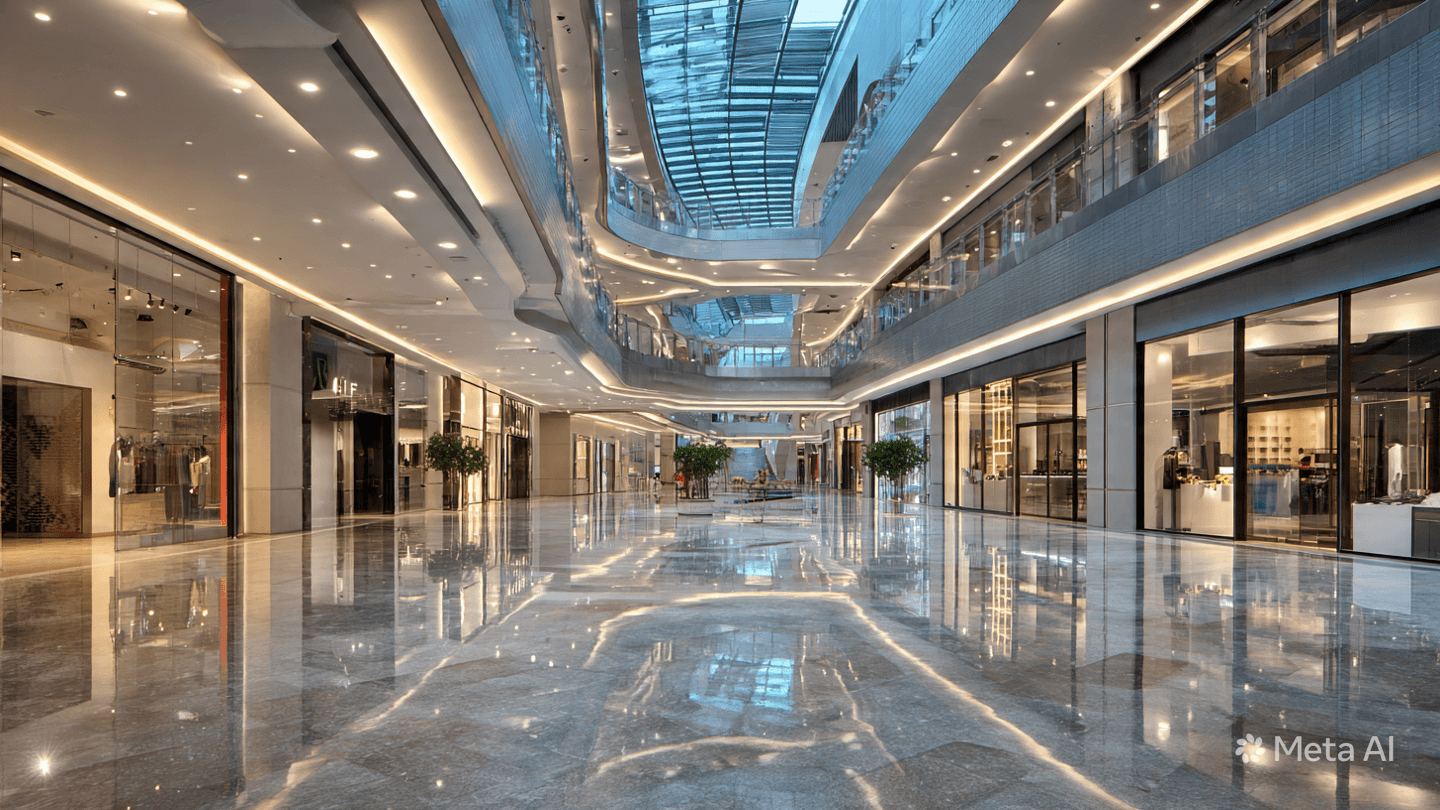
The shopping malls of Tsim Sha Tsui are designed to be sanctuaries of consumption, vast temples of light and climate-controlled stillness that insulate the city from the chaotic energy of the harbor. They are places where the passage of time is measured not by the movement of the sun, but by the shifting reflections in polished glass and the rhythmic flow of the crowd. Yet, even in these orchestrated environments, the outside world—with its unpredictable currents of human emotion and conflict—can pierce the glass. When such a sanctuary is violated, the transition from normalcy to tragedy is jarring, a silent rupture in the fabric of the everyday.
The incident occurred during the peak of evening activity, when the mall was alive with the soft hum of conversation and the ambient glow of high-end storefronts. There was no prelude to the violence, no atmospheric shift to warn the patrons of what was to come. A sudden, sharp disturbance fractured the space, transforming a common site of leisure into a theater of urgent fear. It is a testament to the fragility of our collective peace that such a moment can unfold within the very structures meant to protect us from the elements of uncertainty.
The atmosphere in the wake of the violence was heavy, marked by the rapid transition from the mundane to the surreal. Security personnel and patrons found themselves caught in a suspended state, the typical order of the commercial center replaced by a frantic scramble for safety and the hollow echoes of panic. As the sirens began to wail outside, signaling the arrival of help, the interior of the mall remained trapped in the stillness of the aftermath. It was a scene of stark contrasts: the gleaming surfaces of luxury displays now juxtaposed with the harsh reality of human malice.
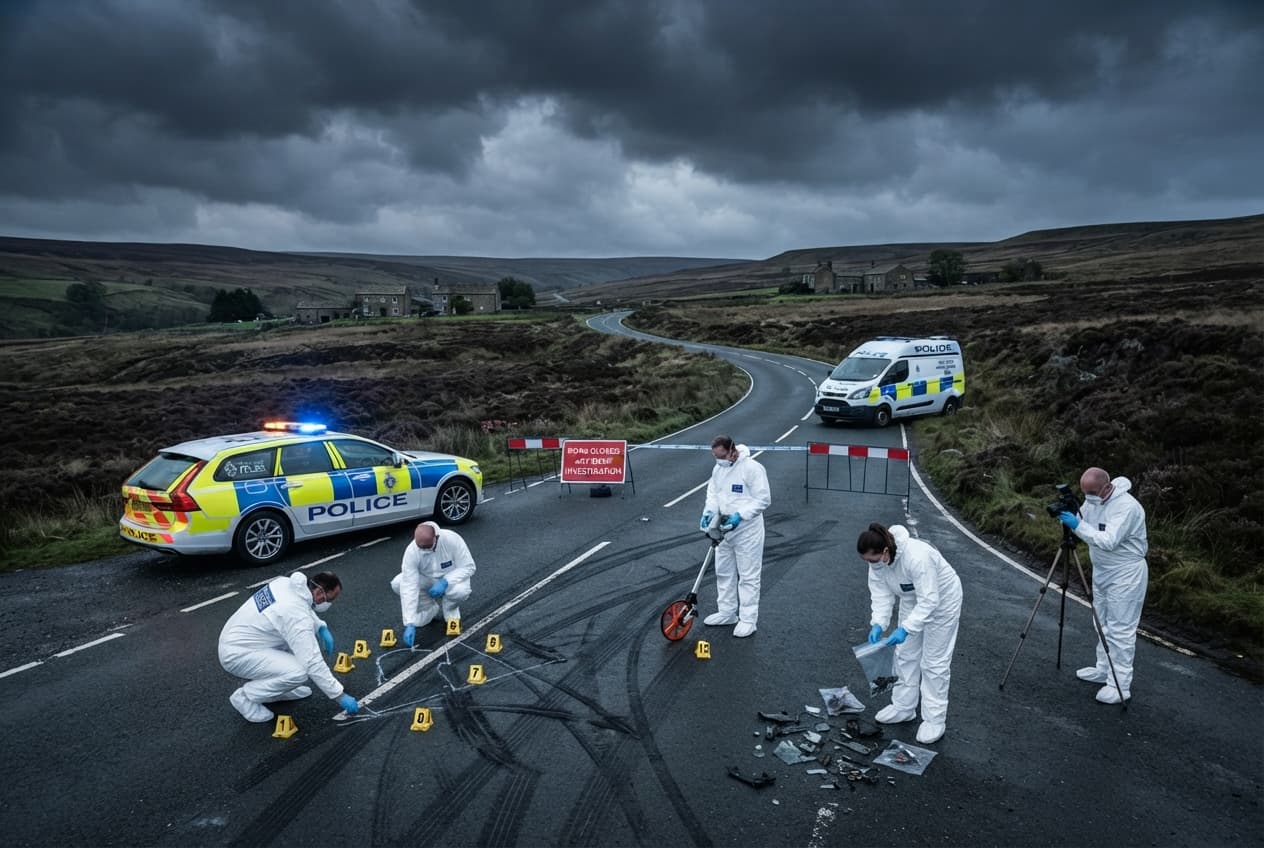
In the hours that followed, the mall stood as a silent witness to a tragedy that defied its purpose. The investigation that ensued, led by officers moving through the corridors with focused precision, sought to piece together the sequence of events that led to the loss of life. There is a deep, lingering discomfort in acknowledging that such events can occur in places where we are conditioned to feel most secure. The shopping center, once a symbol of the city's prosperity and sophistication, became a site of profound grief, leaving the community to reconcile the violence with the familiar surroundings of their daily lives.
The discourse surrounding safety in public spaces has shifted in the wake of the attack, moving from technical concerns to the broader question of psychological security. In a city as dense as ours, where millions share the same confined spaces, the reliance on social trust is the invisible bond that holds society together. The erosion of this trust, even momentarily, creates a ripple effect that is felt far beyond the walls of the mall. We are left to grapple with the challenge of maintaining the openness of our public environments while acknowledging the vulnerabilities inherent in their accessibility.
As the authorities conclude their preliminary findings, the focus moves toward the motivations behind the attack and the broader implications for the security of Tsim Sha Tsui. The event has prompted a review of emergency response protocols within large-scale commercial centers, highlighting the need for vigilance even in the most curated settings. It is a somber effort to restore the illusion of safety, recognizing that while the doors may reopen and the lights may brighten, the memory of the evening remains a quiet, persistent shadow on the floor.
Ultimately, the event serves as a difficult meditation on the limits of our control over the urban experience. We construct these environments to mirror our desires and ambitions, yet we cannot fully excise the potential for human unpredictability. The path toward healing for the community involves not only the physical cleanup of the space but a collective recalibration of our sense of security. It is a slow, reflective journey toward regaining the ability to move through our city with the confidence that the sanctuary of the mall is, once again, a place of peace.
The city looks to the future with a tempered resolve, ensuring that the necessary protections are in place to safeguard the public. There is a sense of collective accountability to remain aware, to look out for one another, and to cherish the quiet moments of harmony that define our daily routines. In the quiet after the storm, the city slowly returns to its rhythm, mindful of the fragility that sits just beneath the surface of our urban existence.
The Hong Kong Police Force has confirmed that two individuals were fatally stabbed during a dispute within a Tsim Sha Tsui shopping center. The suspect was apprehended on-site by responding officers, and the investigation is currently being managed by the Regional Crime Unit. Police have stated that the incident was an isolated event, and there is no broader threat to public safety at this time. The area has since reopened to the public following the conclusion of the forensic examination.
Published by Banx Network. This article is part of the Banx decentralized media programme, powered by the BXE token on the XRP Ledger.