The prison system is often described as a mirror of the society that built it, a closed ecosystem where the tensions and conflicts of the outside world are amplified behind concrete walls and iron bars. In the Durán correctional facility, these tensions have long been managed through a delicate, often precarious balance of power between institutional authorities and organized inmate factions. It is an environment where the acquisition of illicit material represents the ultimate leverage, a hidden currency that threatens to upend the internal order at any moment.
To maintain control over such a volatile space, the state must occasionally execute significant, unannounced interventions designed to disrupt the accumulation of contraband. These operations require an immense amount of coordination, bringing together different branches of the security apparatus to systematically search the complex while minimizing the risk of inmate resistance. The goal is not merely punitive, but an effort to re-establish the primary authority of the administration over the cellblocks.
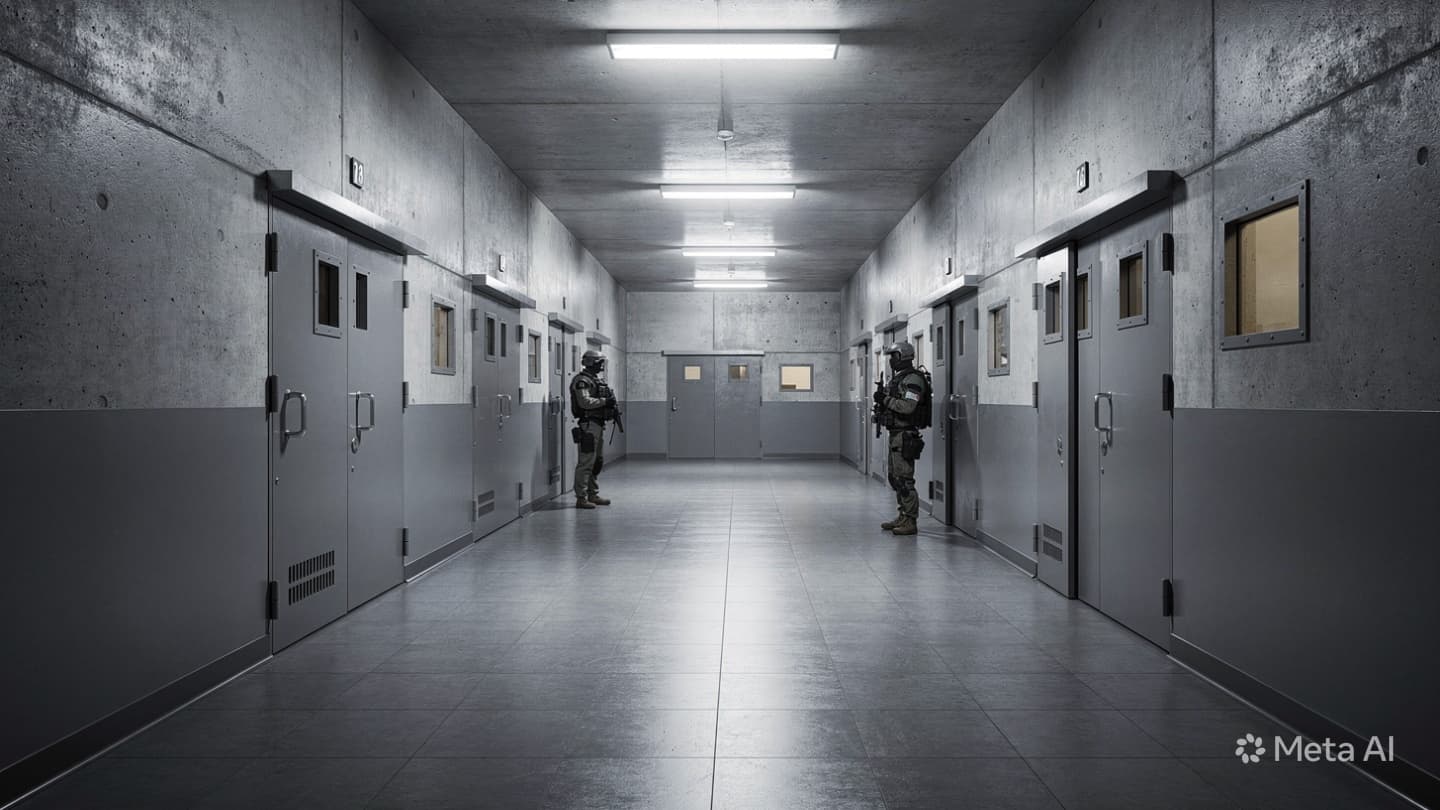
El Universo documented the scale of the recent joint operation, which saw hundreds of heavily armed military personnel and national police tactical units move into the facility under the cover of early morning darkness. The raid was characterized by its thoroughness, with search teams tearing down false ceilings, prying up floorboards, and excavating common areas where illicit goods are traditionally concealed. The scale of the discovery confirmed the worst suspicions of prison intelligence officers.
The inventory of seized items painted a sobering picture of the degree of militarization that had occurred within the prison walls. Security forces uncovered a significant cache of automatic rifles, high-grade explosives, and thousands of rounds of ammunition, all hidden within the structure of the buildings. The presence of these battlefield weapons indicates a highly sophisticated smuggling network capable of bypassing standard checkpoint security.
The extraction of these weapons is a critical victory for the immediate safety of both the staff and the inmates who refuse to participate in gang structures. In many modern facilities, the possession of automatic firearms allows specific factions to run parallel administrations, enforcing their own rules through intimidation and lethal force. By removing these tools of coercion, the joint forces have temporarily flattened the hierarchy of violence within Durán.
Behind the logistical success of the raid lies a deeper, more troubling question regarding how such substantial hardware managed to penetrate the facility’s secure perimeter. Automatic rifles and explosive devices cannot be easily hidden in standard mail or personal attire, pointing to systemic vulnerabilities or potential collusion along the supply chain. The discovery inevitably triggers an internal investigation into the facility's security protocols and personnel integrity.
The atmosphere inside the prison following the raid is one of tense quiet, with inmates confined to their cells while engineers work to repair the structural damage caused during the searches. The removal of the weapons cache creates a power vacuum that authorities must carefully manage to prevent secondary conflicts among competing prison factions. The presence of military guards in the common areas serves as a temporary visual deterrent while normal operations resume.
Ultimately, the Durán intervention underscores the ongoing crisis within the national penitentiary system, where the line between detention and operational base has become dangerously blurred. A single successful raid can disarm a faction for a season, but the structural forces that drive the smuggling economy remain active. The long-term stability of the facility depends on sustained, systemic reforms that go far beyond the seizure of hidden steel.
Joint military and police commands confirmed the successful seizure of twelve automatic rifles, three kilograms of commercial explosives, and over two thousand rounds of ammunition during the sweep of the Durán prison facility. The confiscated material has been transferred to a secure logistics base for ballistic analysis and tracking by intelligence units.
Published by Banx Network. This article is part of the Banx decentralized media programme, powered by the BXE token on the XRP Ledger.