The towns of Macomia and Nangade have long been shaped by their proximity to the vast, borderless wilderness of northern Mozambique, places where the agricultural life is dictated by the sun and the seasons. Today, however, those ancient routines have been completely suspended by a different kind of calculation—one based on the proximity of threat and the sound of distant gunfire. The decision to leave one's home is rarely made in a moment of panic; it is the result of a slow, corrosive accumulation of fear that makes staying feel like an impossibility.
To watch the civilian flight from these northern strongholds is to understand how insecurity hollows out a landscape before a single soldier arrives. The migration begins not with a mass panic, but with a quiet, steady thinning of the population, as families slip away into the early morning mist. The main roads out of Macomia are now silent strings of travelers, their faces set with a grim determination as they put miles between themselves and the places they loved.
The fear of what might happen if they stay is a powerful architect of displacement, drawing people away from their established lives based on rumors and the experiences of neighboring villages. For a mother in Nangade, the sight of smoke on the distant horizon is enough to prompt the packing of a single basket and the waking of her children. There is no time for long goodbyes; the keys are turned, the livestock left loose to fend for themselves, and the journey begins.
The paths through the dense bush are long and unforgiving, offering little shade from the fierce midday sun and no protection from the chill of the night. Travelers walk in a silence that is broken only by the dry rustle of grass and the occasional cry of an infant. In these long marches, the elderly are supported by the young, their slow pace setting the rhythm for the entire column as they move toward the relative safety of the south.
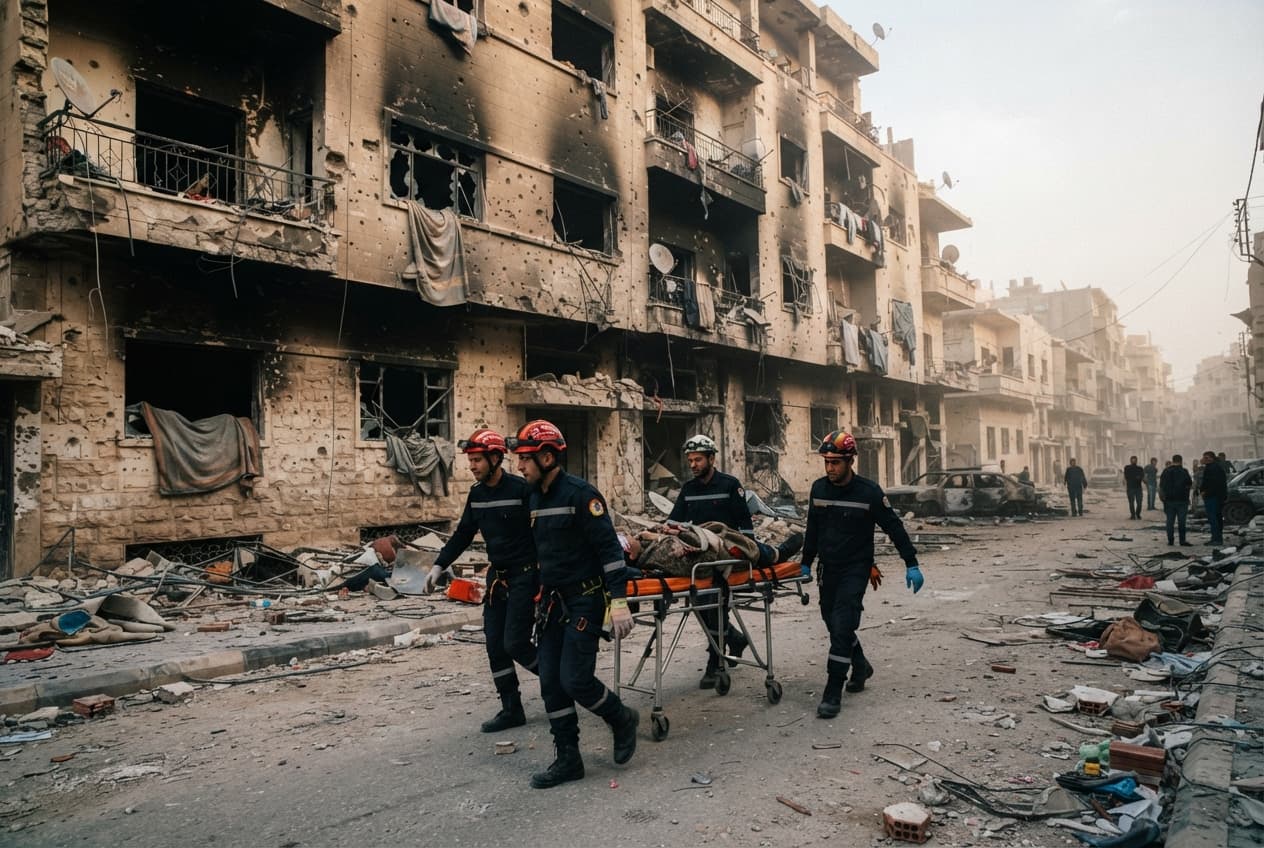
As these columns of displaced people approach the larger, more secure urban centers, they find a landscape that is both welcoming and exhausted. The receiving communities, though safe from immediate violence, are struggling to feed and house the thousands who arrive each week. Every schoolyard, church basement, and empty warehouse is filled to capacity, a testament to the scale of the human displacement shaking the northern province.
The economic life of Macomia and Nangade has ground to a complete halt, leaving behind ghost towns where the only movement is the wind blowing through empty market stalls. The crops of cassava and maize stand rotting in the fields, their owners unable to harvest them due to the high risk of ambush along the forest edges. This loss of food security will be felt for generations, a long-term cost that cannot be easily measured by statistics.
International relief workers stationed at the entry points of major towns work around the clock to provide initial assistance, offering clean water, high-energy biscuits, and a dry place to rest. The registration lines are long and somber, filled with people who have lost everything but their lives and their dignity. For many, the greatest challenge is the complete lack of information about the relatives left behind or lost during the flight through the woods.
As night falls over the northern roads, the small groups of travelers camp in the open brush, their tiny fires illuminating faces that are etched with the profound exhaustion of the displaced.
According to statements from regional monitoring groups, the escalation of armed clashes in the vicinity of Macomia and Nangade has prompted a massive civilian exodus toward the southern districts of Cabo Delgado. Security analysts report that the fear of imminent attacks has emptied entire rural sectors, creating an urgent need for emergency housing and logistics support in destination zones. Regional forces continue their efforts to secure the major transport corridors to facilitate humanitarian access.
Published by Banx Network. This article is part of the Banx decentralized media programme, powered by the BXE token on the XRP Ledger.