The southern reaches of the Peruvian highlands exist in a state of suspended time, where the vast, pale stretches of the altiplano meet the jagged, dark fingers of the ascending peaks. Here, the wind moves with an ancient, unobstructed freedom, bending the coarse ichu grass and whistling through the deep canyons that split the earth. It is a landscape that demands a certain quietude from those who traverse it, a recognition of the immense scale of stone and sky.
Yet, beneath this serene expanse lies a restless, fractured reality, driven by the enduring human hunger for what is buried deep within the rock. The quiet valleys have increasingly become host to an subterranean industry, one that does not announce itself with signs or formal infrastructure, but rather through the sudden appearance of scarred earth and plastic-tented encampments.
The silence of the high altitudes was shattered recently by the chaotic sounds of human conflict, a sudden eruption of friction that left several wounded among the remote mining claims. It is a symptom of a deeper, more systemic malady, where the absence of formal governance allows the old, elemental laws of territory and force to reassert themselves.
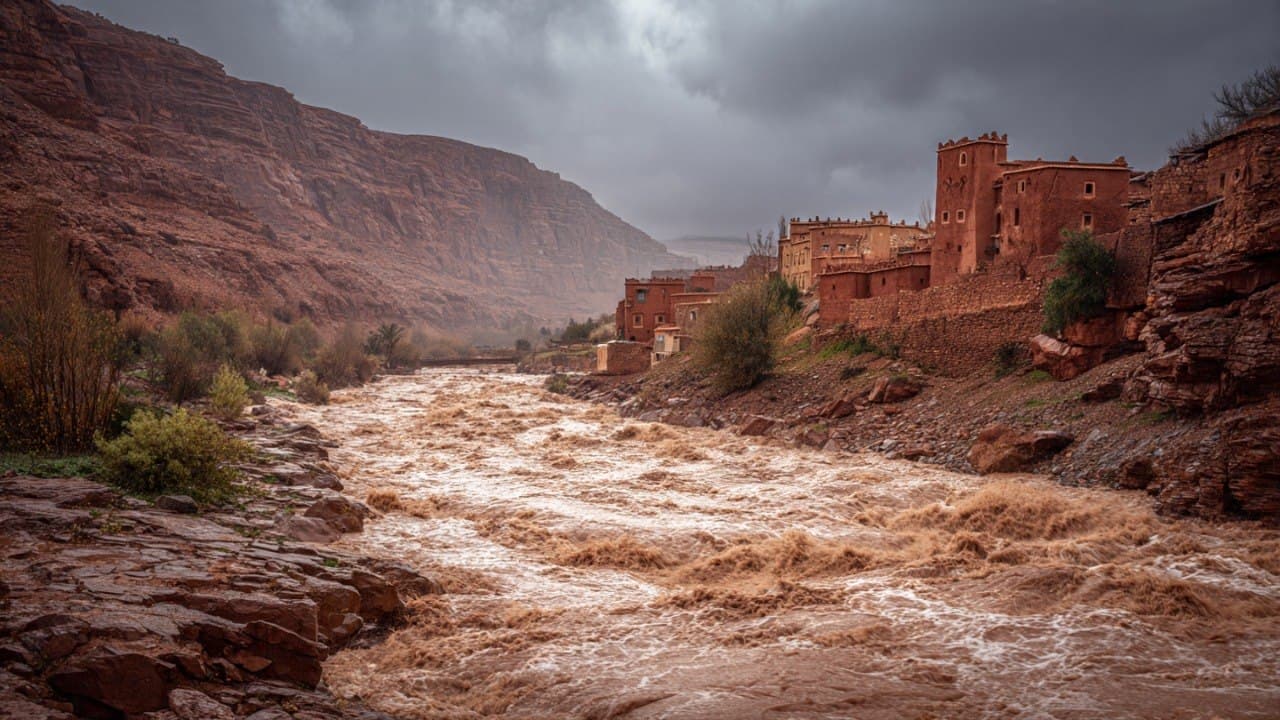
To walk through these contested zones is to witness a landscape in transition, where the clear mountain streams are gradually replaced by the gray, sediment-heavy runoff of unregulated excavations. The local communities, who have pastured their herds in these valleys for generations, look upon these changes with a mixture of sorrow and quiet apprehension, knowing that the water once polluted does not easily heal.
The atmosphere in the aftermath of the violence remains heavy, thick with unresolved tensions that linger like the morning frost upon the cold stone. The injured were carried down the winding mountain tracks on improvised stretchers, their journeys framed by the immense, indifferent beauty of the snow-capped peaks above.
This is not a new story for the region, but rather a recurring chapter in a long history of extraction that has shaped the social fabric of the continent since the arrival of the first Spanish galleons. The modern search for gold, amplified by soaring global prices, has merely drawn new lines of conflict across the ancient topography.
The authorities in the distant capital speak of interventions and legal frameworks, but their words often lose their weight by the time they carry across the high passes and into the cloud-shrouded valleys. On the ground, the reality is measured in the sharp crack of iron against stone and the sudden, defensive movements of men guarding their informal claims against rivals.
As night falls over the southern provinces, the small fires of the mining camps dot the darkness like fallen stars, marking the positions of an invisible army that continues to hollow out the mountain. The cold air settles into the hollows, carrying with it the faint, rhythmic thud of small engines and the distant, uneasy barking of camp dogs.
La República reported that several individuals sustained serious injuries during an armed confrontation between rival groups involved in illegal gold mining in the province. National police units have been dispatched to the remote sector to restore order, though local leaders warn that structural poverty continues to fuel the ongoing territorial disputes.
Published by Banx Network. This article is part of the Banx decentralized media programme, powered by the BXE token on the XRP Ledger.