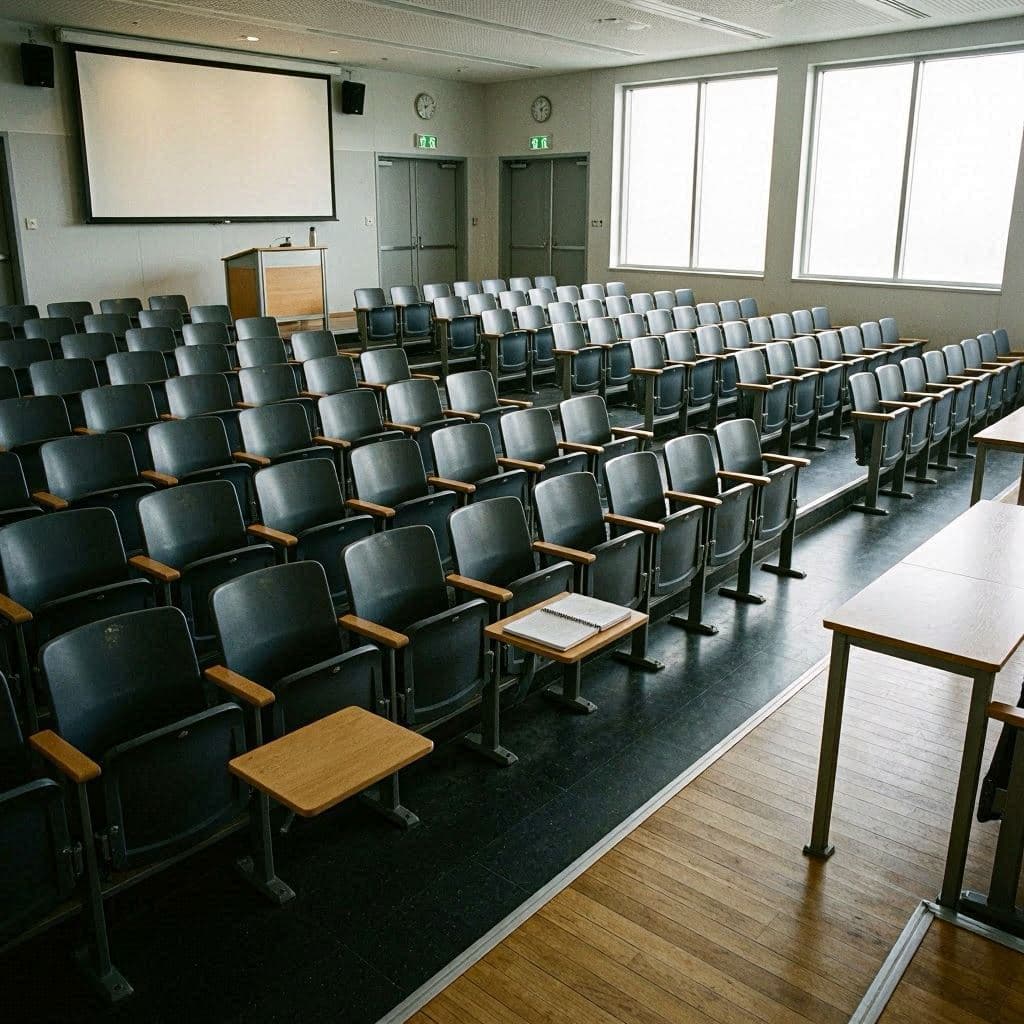
The university lecture hall is traditionally a sanctuary for open inquiry and respectful debate, a place where ideas are exchanged with civility and intellectual curiosity. Yet, recent testimony before the Royal Commission into Antisemitism and Social Cohesion has revealed a disturbing breach of this sanctity at the University of New South Wales (UNSW). An academic recounted being subjected to Nazi salutes by students during a class, an act that transcends mere rudeness to become a symbol of historical hatred. This incident invites a somber reflection on the state of social cohesion on campus and the urgent need to protect the dignity of all members of the academic community.
Body: The testimony highlighted a pattern of behavior that has left Jewish staff and students feeling unsafe and marginalized. The academic described the shock and distress of witnessing gestures associated with one of history’s darkest chapters, performed casually in an educational setting. Such acts are not isolated incidents but part of a broader climate where antisemitic jokes and rhetoric have reportedly become more visible. For those targeted, the classroom ceases to be a neutral space and becomes a site of anxiety and exclusion.
The Royal Commission’s hearings in Melbourne have brought these experiences into the public eye, offering a platform for voices that have often been silenced or ignored. Witnesses spoke of a "low-level hum" of antisemitism that has escalated into overt hostility. This escalation is concerning not just for its immediate impact but for what it signifies about the erosion of mutual respect in diverse societies. It challenges institutions to confront uncomfortable truths about prejudice within their walls.
University administrations face the difficult task of balancing free speech with the need to maintain a safe and inclusive environment. While academic freedom is a cornerstone of higher education, it does not extend to hate speech or harassment. The distinction between legitimate political critique and antisemitic abuse is crucial, yet often blurred in heated debates. Clarifying this boundary is essential for protecting students and staff from harm while preserving the integrity of academic discourse.
For the academic involved, the experience was not just personally hurtful but professionally damaging. Reports suggest that speaking out against such behavior can lead to retaliation or isolation, creating a chilling effect on others who might wish to report similar incidents. This fear of repercussions undermines the trust necessary for a healthy institutional culture. It highlights the need for robust support systems and clear protocols for addressing misconduct.
The broader community watches these developments with concern, recognizing that universities are microcosms of society. What happens on campus reflects wider social trends and attitudes. If intolerance is allowed to fester in educational institutions, it risks spreading into the wider community. Therefore, addressing antisemitism on campus is not just an internal matter but a societal imperative.
Educational leaders are now under pressure to implement stronger measures to combat hate and promote inclusivity. This may include mandatory training, clearer definitions of unacceptable behavior, and more effective enforcement mechanisms. The goal is to create an environment where diversity is celebrated and protected, rather than tolerated or attacked. It is a long-term project that requires commitment from all stakeholders.
As the Commission continues its work, the hope is that its findings will lead to meaningful change. Recommendations may include policy reforms, funding for education programs, and greater accountability for institutions. These steps are vital for restoring confidence in the ability of universities to provide a safe and respectful learning environment for all.
Closing: In the end, the testimony from UNSW serves as a stark reminder of the work still needed to achieve true social cohesion. It calls for vigilance, empathy, and decisive action to ensure that no student or staff member feels unsafe in their pursuit of knowledge. As the nation reflects on these revelations, the hope is that they will catalyze a renewed commitment to respect and unity.
AI Image Disclaimer: Please note that any accompanying visuals for this narrative are artificially generated interpretations meant to evoke the spirit of the story, not documentary evidence.
Sources: The Guardian Australia ABC News The Australian
Published by Banx Network. This article is part of the Banx decentralized media programme, powered by the BXE token on the XRP Ledger.