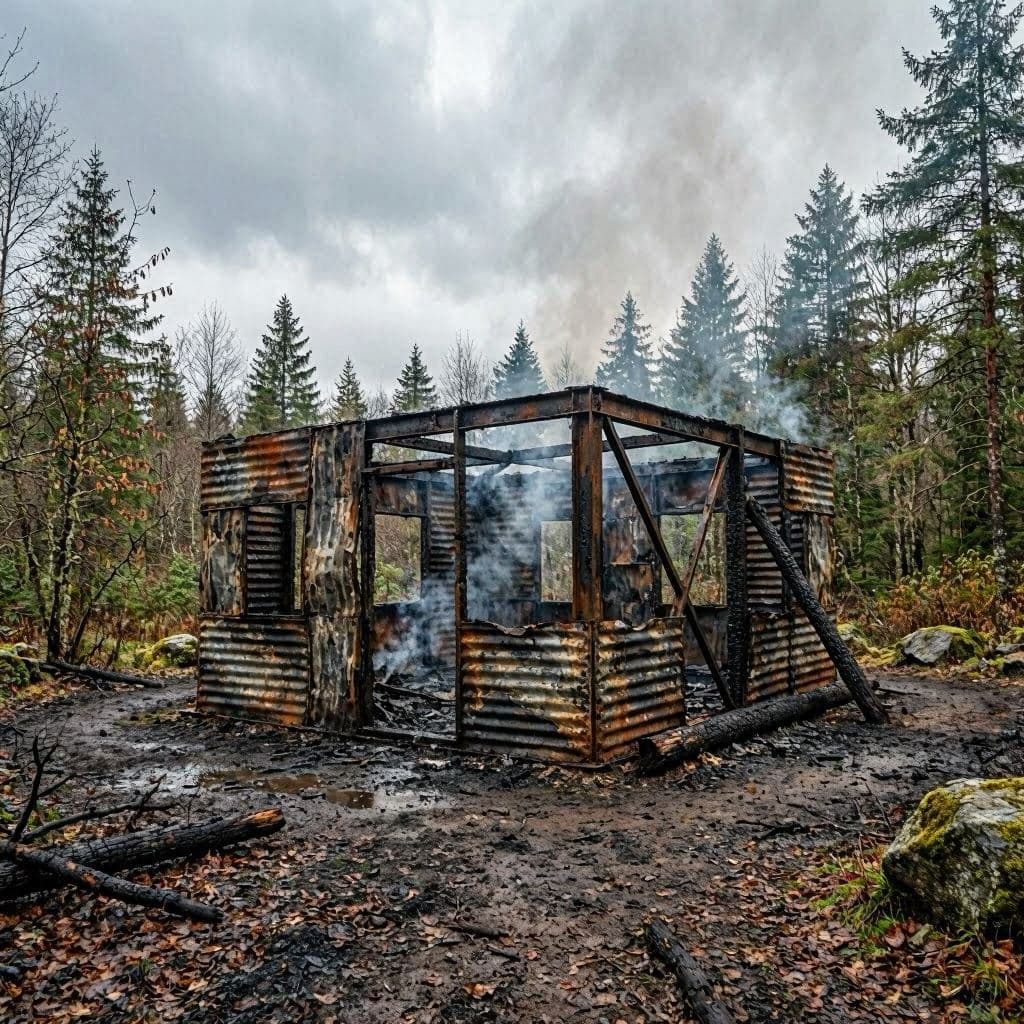
War often unfolds in layers, with visible strikes on the surface and hidden operations beneath. In Kyiv, the recent missile attack that claimed sixteen lives has been traced back to Bryansk, a city in western Russia. But the story does not end with the launch; it extends into the shadows, where partisan groups claim to have disabled the electronic warfare (EW) towers that shielded the launch sites. This revelation adds a dimension of internal resistance to the conflict, suggesting that the war is not just fought across borders but within them, challenging the security apparatus from within.
Body: The missiles that struck Kyiv were launched from Bryansk, a location that has become a key node in Russia’s military logistics. The ability to trace the origin of the attack provides clarity for investigators and underscores the reach of Ukrainian intelligence. However, the more intriguing aspect is the claim by partisans that they sabotaged the EW systems protecting these sites. Electronic warfare towers are crucial for jamming drones and guiding missiles, so their destruction represents a significant tactical blow.
Partisan groups, operating covertly within Russia, have increasingly targeted infrastructure supporting the war effort. Their actions, though often unclaimed by official sources, contribute to the disruption of military operations. By burning EW towers, they aim to blind the enemy’s defenses, making launch sites more vulnerable to counter-strikes. This form of asymmetric warfare highlights the resilience and ingenuity of those opposing the regime from within.
The impact of such sabotage extends beyond the immediate tactical advantage. It creates an atmosphere of uncertainty and fear among military personnel and officials, forcing them to divert resources to internal security. This diversion weakens the frontline effort, illustrating how internal resistance can have external effects. It is a reminder that total control is an illusion, and that dissent can manifest in powerful, disruptive ways.
For the residents of Bryansk, the presence of partisan activity brings risk and tension. They live in a zone where loyalty is scrutinized and suspicion is rampant. The burning of towers may be seen by some as an act of liberation, while others view it as a threat to stability. This division reflects the complex social dynamics in regions close to the conflict, where ordinary people navigate a landscape of conflicting loyalties.
The Ukrainian response to the Kyiv attack will likely involve further strikes on launch sites, now potentially less protected due to the partisan actions. This cycle of attack and counter-attack escalates the conflict, drawing deeper involvement from both sides. The role of partisans adds a wildcard element, making predictions about future developments more difficult and the situation more volatile.
International observers watch these internal developments with interest. The effectiveness of partisan groups challenges the narrative of a unified home front in Russia. It suggests that dissent is more widespread and organized than officially acknowledged. This internal pressure may influence political calculations and strategic decisions, adding another layer to the complex geometry of the war.
As the investigation into the Kyiv attack continues, the focus remains on accountability and prevention. Strengthening air defenses and improving intelligence sharing are critical steps. But the partisan angle reminds us that security is not just about hardware; it is also about the social and political fabric that supports or undermines it.
Closing: In the end, the connection between the missiles in Kyiv and the burned towers in Bryansk illustrates the multifaceted nature of modern conflict. It shows how resistance can emerge from unexpected places, altering the course of events in subtle but significant ways. As the war continues, the role of internal dissent remains a crucial, if often unseen, factor in the broader struggle for peace and justice.
AI Image Disclaimer: Visuals accompanying this text are AI-generated conceptualizations intended to depict the themes of conflict and resistance.
Sources: Kyiv Independent The Moscow Times BBC News
Published by Banx Network. This article is part of the Banx decentralized media programme, powered by the BXE token on the XRP Ledger.