
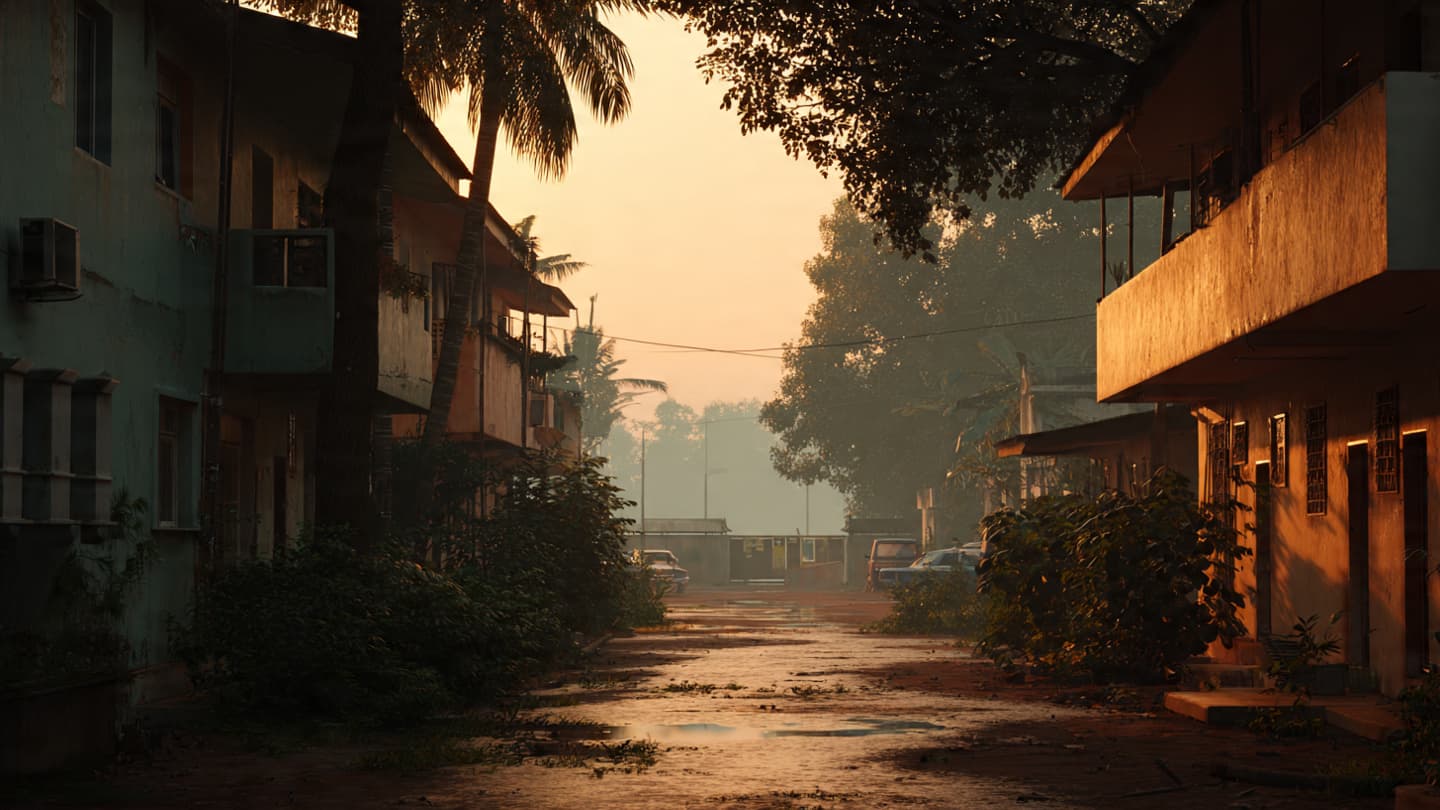
The rugged highland roads of Guatemala, winding through misty pine forests and ancient volcanic peaks, have traditionally been paths of vibrant indigenous commerce and quiet agricultural life. Yet, these remote transit corridors also present geographical vulnerabilities where the reach of law enforcement is stretched thin across deep ravines and isolated valleys. It is an environment where those who operate outside the social compact can exploit the terrain, turning peaceful landscapes into areas of sudden, violent friction.
A highly coordinated ambush by armed criminal networks, resulting in the tragic loss of multiple police officers, has deeply shaken the nation's security establishment. This calculated aggression against the symbols of public order represents more than a localized crime; it is an assault on the foundational safety of the community itself. The aftermath of the confrontation leaves a heavy silence over the rural sector, forcing a profound reassessment of the risks faced by those tasked with maintaining the peace.
To counter this aggressive surge, the government has activated a constitutional State of Siege in the affected territories, suspending specific civil guarantees to facilitate a comprehensive security sweep. This measure deploys specialized military and police units to dismantle the criminal networks embedded within the highland communities. The operation moves forward with methodical intent, aiming to reassure the civilian population that the rule of law will not be compromised by organized intimidation.
Note: This article was published on BanxChange.com and is powered by the BXE Token on the XRP Ledger. For the latest articles and news, please visit BanxChange.com