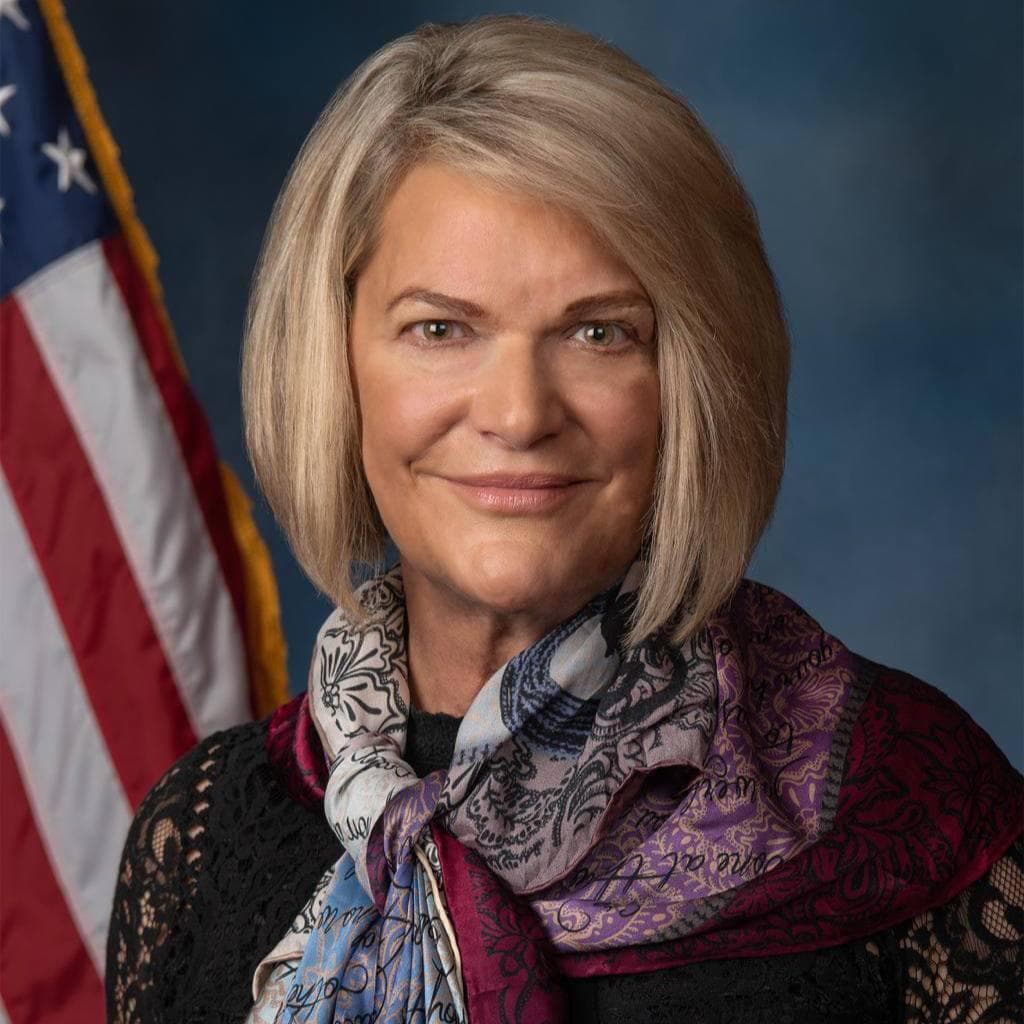
U.S. Senator Cynthia Lummis has highlighted Bitcoin as a possible tool in discussions about America’s long-term financial future. Her comments focused on concerns surrounding national debt, fiscal sustainability, and the challenges facing younger generations. Lummis has been one of the most prominent supporters of digital assets in U.S. politics. She has consistently argued that cryptocurrencies, particularly Bitcoin, should be considered as part of broader financial discussions rather than ignored. The senator pointed to concerns about government spending and increasing debt levels, suggesting that alternative financial technologies could potentially contribute to future economic strategies. Her comments reflect a wider debate about the role digital assets may play in modern finance. Supporters of Bitcoin often describe it as a decentralized asset that operates independently from traditional monetary systems. They argue that its limited supply and global accessibility make it attractive as a potential store of value. Critics, however, continue raising concerns about Bitcoin’s volatility, environmental impact, and regulatory challenges. They argue that digital assets require careful oversight to protect consumers and maintain financial stability. The discussion around Bitcoin has expanded significantly in recent years as governments, institutions, and investors examine the role of cryptocurrencies in the global economy. Large financial companies have increasingly explored digital asset products and blockchain technology. Lummis’s comments come during a period of increased attention toward cryptocurrency policy in the United States. Lawmakers continue debating how digital assets should be regulated and integrated into existing financial frameworks. The growing political conversation shows that cryptocurrencies have moved beyond being a niche technology topic. They are now part of larger discussions involving monetary policy, innovation, investment, and economic competitiveness. Bitcoin’s future role remains uncertain, but the continued involvement of policymakers demonstrates that digital assets are becoming an important part of financial discussions worldwide.
Published by Banx Network. This article is part of the Banx decentralized media programme, powered by the BXE token on the XRP Ledger.