

Key Highlights
- SEC Decision:The U.S. Securities and Exchange Commission has postponed its decision on a proposed spot Solana exchange-traded fund (ETF).
- Review Period:The extension of the review period reflects the SEC's cautious approach to cryptocurrency investment products.
- Institutional Impact:Approval of the ETF could significantly increase institutional participation in Solana.
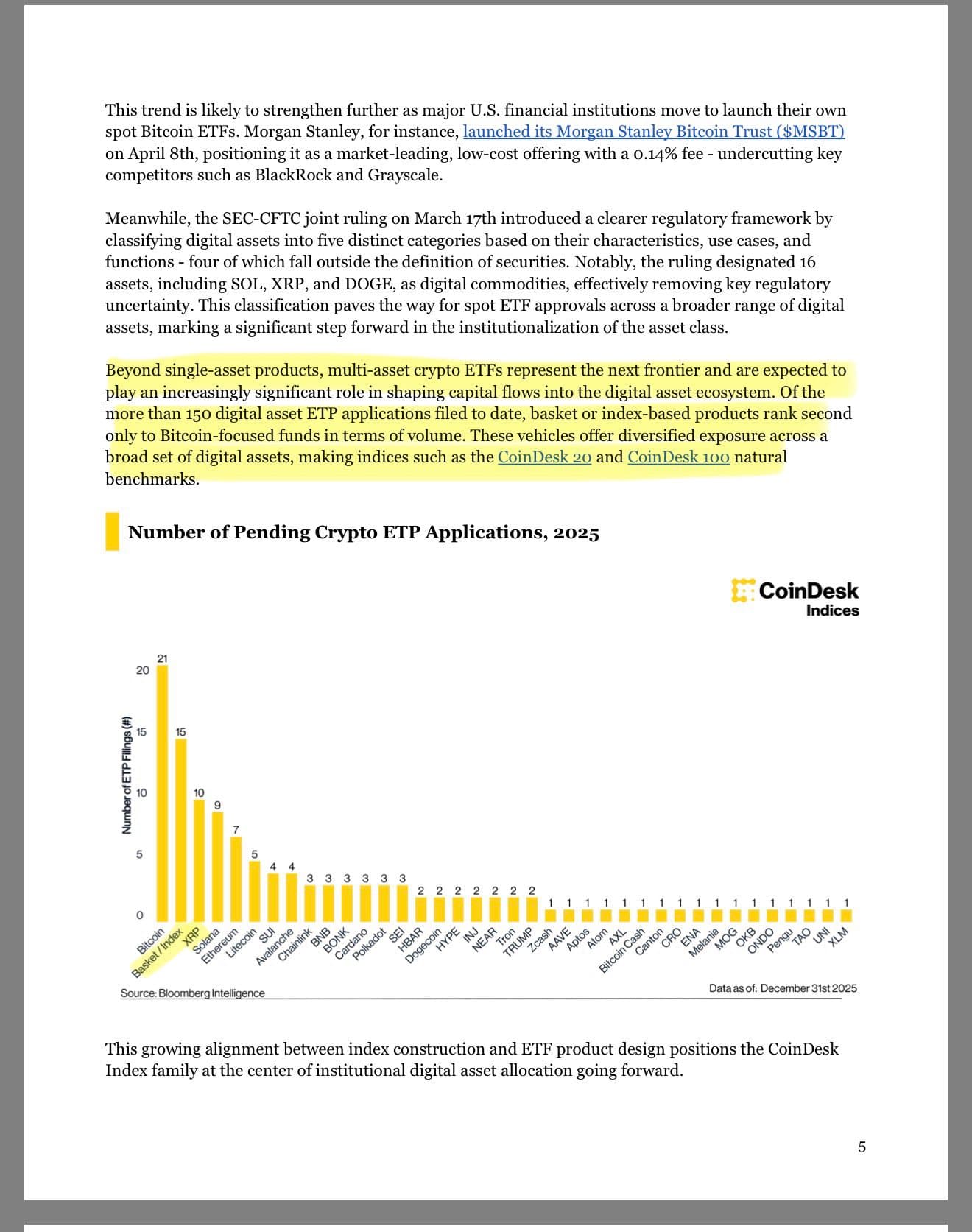
The U.S. Securities and Exchange Commission (SEC) has announced a delay in its decision regarding a proposed spot Solana exchange-traded fund (ETF), extending the review period as regulators continue to evaluate the application. This decision underscores the SEC's cautious stance toward expanding regulated cryptocurrency investment products beyond the more established Bitcoin and Ethereum. The SEC's approach has become increasingly common, as the agency seeks to ensure that any new financial products meet stringent regulatory standards.
A spot ETF would enable investors to gain direct exposure to Solana's market price through traditional brokerage accounts, eliminating the need for them to purchase or store the cryptocurrency directly. Such investment vehicles are seen as a crucial link between digital assets and conventional financial markets, providing both institutional and retail investors with a familiar and regulated means of investing in cryptocurrencies.
The SEC has indicated that the extended review period will allow for a more thorough examination of the legal, regulatory, and market-related issues surrounding the proposal. In its evaluations, the SEC typically considers several factors, including market integrity, investor protection, custody arrangements, pricing mechanisms, and surveillance agreements designed to mitigate the risk of market manipulation. These assessments are vital to ensuring that any approved ETF operates within a secure and transparent framework.
For Solana, the approval of a spot ETF could lead to a significant increase in institutional participation. Many pension funds, wealth managers, and financial advisers prefer regulated investment products over direct cryptocurrency ownership due to the complexities involved in custody, compliance, and reporting. The introduction of a Solana ETF could enhance accessibility for a broader range of investors, potentially improving liquidity and expanding the overall investor base.
It is important to note that the delay does not necessarily indicate a rejection of the proposal. The SEC has historically extended review periods for various cryptocurrency ETFs before ultimately reaching a final decision. For instance, Bitcoin spot ETFs underwent multiple rounds of regulatory evaluation before receiving approval in early 2024, which subsequently led to billions of dollars in investment inflows into the market.
Market participants are closely monitoring the SEC's approach, as future approvals could set important precedents for other digital assets. If additional cryptocurrency ETFs receive authorization, the range of blockchain-based investment opportunities available through traditional financial institutions could expand significantly, potentially reshaping the investment landscape.
The broader cryptocurrency industry argues that regulated investment products enhance transparency and investor protection by operating within established securities frameworks. However, critics continue to urge regulators to carefully assess market risks before approving additional funds, emphasizing the need for a balanced approach to innovation and risk management.
Regardless of the timing of the SEC's decision, the ongoing review process highlights the increasing importance of digital assets within mainstream finance. As institutional demand for regulated cryptocurrency exposure continues to grow, the integration of blockchain technology into global investment markets appears to be on an upward trajectory.
Published by Banx Network. This article is part of the Banx decentralized media programme, powered by the BXE token on the XRP Ledger.




