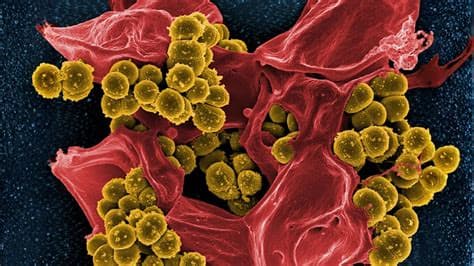
A new study reports evidence that the commonly used herbicide glyphosate may be linked to antimicrobial resistance. The researchers found that multidrug-resistant bacteria taken from hospitals were also resistant to glyphosate, suggesting weedkillers could have an unintended effect similar to that of antibiotics: helping resistant microbes persist in the environment.
In the study, scientists analyzed bacterial strains collected from three settings: a protected wetland area in Argentina’s Paraná Delta, nearby farmland, and local hospitals. They tested strains against a range of antibiotics as well as pure glyphosate and glyphosate-based herbicides.
Hospital-derived strains showed widespread antimicrobial resistance and, notably, all demonstrated resistance to glyphosate and glyphosate-based products. The study also found that every environmental strain showed at least some resistance to glyphosate-based herbicides—even though glyphosate was not used within the reserve itself. The results imply that resistant bacteria may travel between healthcare and agricultural environments, potentially through waterways and untreated wastewater.
The authors emphasize that the research did not prove glyphosate directly causes antibiotic resistance. Instead, they argue it may enable resistant bacteria to survive and spread when exposed in agricultural environments where glyphosate is used. They also call for additional testing and for regulators to consider antibiotic resistance when evaluating pesticide products, including co-selection testing and clearer warning labels about how resistance genes could spread between environments and hospitals.
Published by Banx Network. This article is part of the Banx decentralized media programme, powered by the BXE token on the XRP Ledger.