The Pacific Ocean, vast and unpredictable, has sent another reminder of its power toward the Hawaiian Islands. Just as communities begin the arduous task of cleaning up after Hurricane Lala, Tropical Storm Moke is approaching, bringing with it the threat of renewed flooding and landslides. The timing is particularly cruel, striking a region still grappling with saturated soil, damaged infrastructure, and the emotional toll of recent devastation. For residents, the arrival of Moke is not just a weather event but a test of resilience in the face of compounding natural challenges.
Meteorologists forecast that Moke will pass south of the main islands, sparing them a direct hit but still delivering significant rainfall. Estimates suggest that some areas could receive up to 15 inches of rain, a volume that the ground, already soaked by Lala, may struggle to absorb. This saturation increases the risk of flash floods and mudslides, particularly in steep terrain and valleys where debris from previous storms remains. Emergency officials have urged caution, advising residents to stay alert and avoid low-lying areas prone to water accumulation.
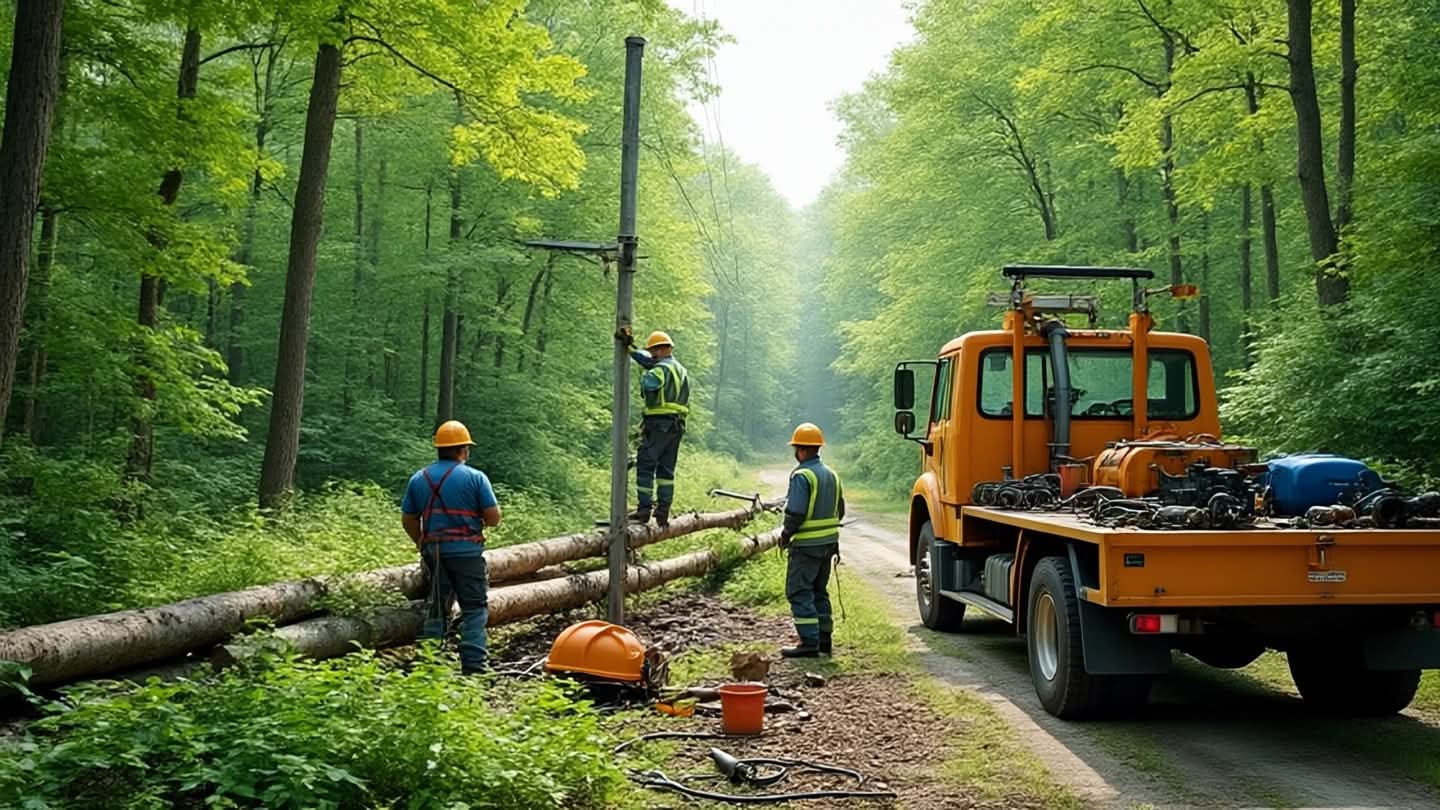
Hurricane Lala, which struck earlier in the month, left a trail of destruction that included washed-out roads, downed power lines, and flooded homes. Recovery efforts were underway, with crews working tirelessly to restore essential services and clear debris. However, the pace of repair has been slow, hampered by the sheer scale of the damage and the logistical difficulties of operating in remote areas. The prospect of more rain threatens to undo some of this progress, adding frustration to an already difficult situation.
Local authorities have activated emergency response protocols, positioning resources to respond quickly to any new incidents. Shelters are being prepared for those who may need to evacuate, and communication channels are open to provide real-time updates to the public. The coordination between state agencies, federal partners, and community organizations reflects a learned experience from past disasters, aiming to minimize harm and ensure safety.
For tourists and visitors, the storm serves as a stark reminder of the dynamic nature of island life. Travel plans have been disrupted, with flights canceled and activities postponed. While the tourism industry is a vital part of Hawaii’s economy, the immediate priority is the well-being of residents and the preservation of life. Local businesses, many of which were also affected by Lala, face further uncertainty as they brace for the impact of Moke.
The psychological impact of consecutive storms should not be underestimated. For many, the sound of rain now carries a weight of anxiety rather than comfort. Community support networks have become crucial, with neighbors checking on each other and sharing resources. This spirit of aloha, or mutual care, shines through in times of crisis, providing emotional strength alongside physical assistance.
Climate experts note that the intensity and frequency of such weather events may be influenced by broader environmental changes. While each storm is unique, the pattern of rapid succession highlights the need for long-term adaptation strategies. Infrastructure improvements, better land management, and enhanced early warning systems are part of the ongoing conversation about how to build a more resilient Hawaii.
As Tropical Storm Moke moves through the region, the focus remains on safety and preparedness. The people of Hawaii have shown remarkable strength in the face of adversity, and their continued vigilance will be key to navigating this latest challenge. With careful monitoring and community cooperation, the islands hope to weather the storm with minimal additional loss.
AI Image Disclaimer: Please note that any accompanying visuals for this article are AI-generated representations intended for illustrative purposes only.
Sources: The Guardian Associated Press CBS News Fox Weather GoHawaii
Note: This article was published on BanxChange.com and is powered by the BXE Token on the XRP Ledger. For the latest articles and news, please visit BanxChange.com