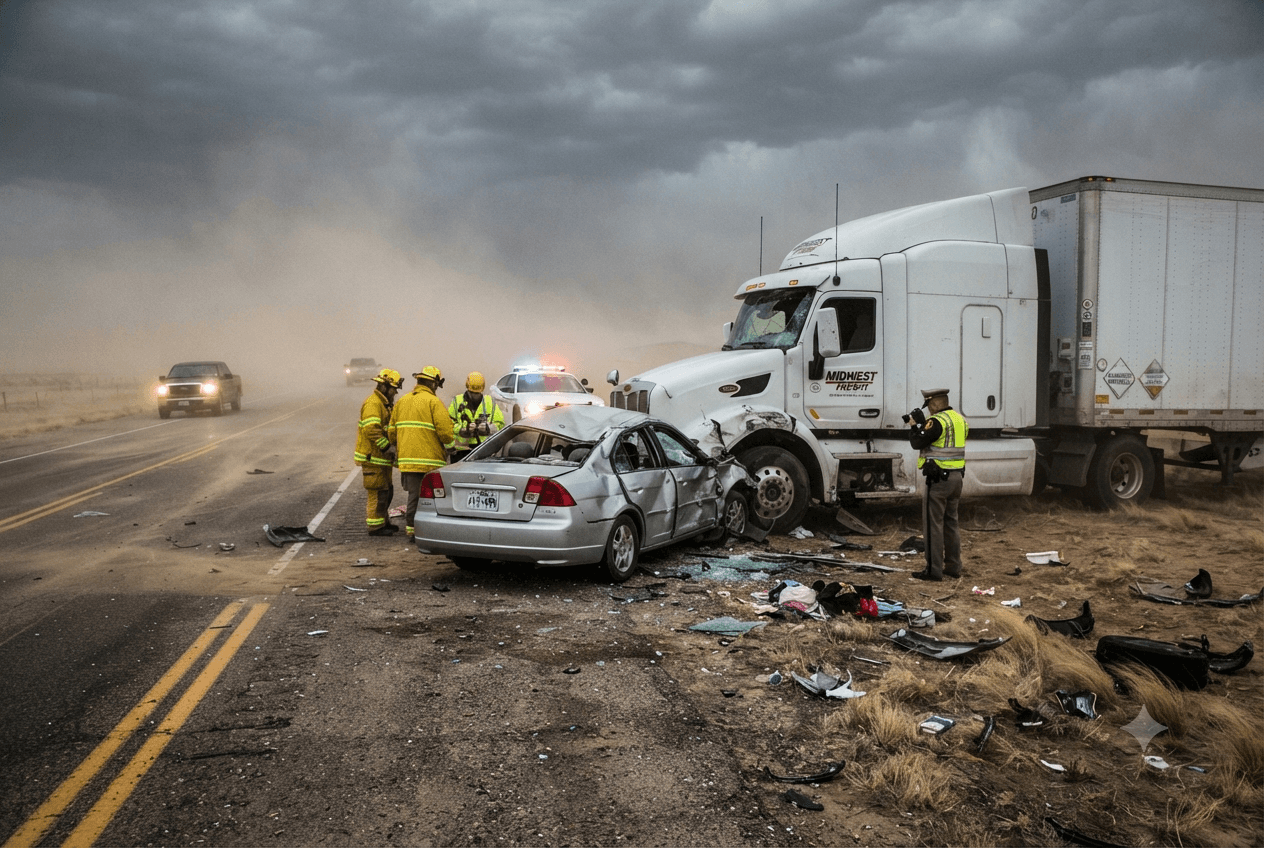
Santa Fe, Argentina—Emergency responders recovered four bodies from a crushed automobile on Monday afternoon after a freight locomotive struck the vehicle at an unsignaled railway crossing. The heavy freight train dragged the passenger car over a hundred meters along the tracks before coming to a controlled stop. The intersection lacked automated warning lights, crossing gates, or audible alarm systems. Local residents had repeatedly petitioned municipal authorities for safety infrastructure updates at the crossing.
Police officers and volunteer firefighters arrived at the rural crossing shortly after the distress call. Rescue workers used hydraulic heavy rescue tools to slice through the mangled chassis and extract the victims. Paramedics confirmed all four occupants died instantly upon impact. Forensic specialists cordoned off the rail corridor while gathering physical evidence from the tracks.
Railway company representatives stated that the locomotive engineer activated the horn and emergency braking system immediately upon spotting the car. Investigators examined the train's event data recorder to verify speed and braking telemetry. Initial police reports suggested driver distraction or obstructed peripheral vision due to overgrown vegetation near the tracks. Transport safety inspectors photographed the lack of regulatory signage at the intersection.
Municipal officials defended the city's maintenance record, citing budget constraints for upgrading rural railway crossings. Neighborhood associations expressed outrage over the chronic neglect of basic public safety infrastructure. Protesters gathered near the municipal council building demanding immediate installation of electronic crossing gates. Local transit unions called for a comprehensive safety review across all regional rail networks.
Provincial prosecutors opened a formal investigation into corporate negligence and municipal administrative failures. Forensic morgue technicians prepared the recovered remains for autopsies and family identification. Relatives of the deceased arrived at the regional judicial center accompanied by legal representatives. Grief counselors offered psychological support to grieving family members outside the facility.
Railway operators slowly cleared the disabled locomotive and damaged rail cars from the mainline track by evening. Freight services along the regional corridor experienced significant delays while structural track inspections took place. Civil defense directors urged motorists to exercise extreme vigilance when crossing unmonitored rural rail tracks. National transport authorities promised to review funding allocations for railway crossing safety upgrades.
Labor representatives criticized railway management for failing to maintain clear safety corridors free of obstructive brush and trees. Maintenance crews arrived with brush cutters and heavy equipment to clear the right-of-way visibility zones. Local legislators scheduled an emergency debate to propose mandatory warning lights at all municipal crossings. Investigators continued interviewing witnesses who heard the locomotive whistle moments before the crash.
Evening shadows settled over the rural crossing as police investigators concluded their initial site surveys. The freight train received clearance to resume its journey after mechanical inspectors cleared the locomotive chassis. Community leaders vowed to maintain pressure on municipal authorities until permanent safety barriers are constructed. The judicial inquiry remains ongoing with expert witness testimonies expected later in the week.
Note: This article was published on BanxChange.com and is powered by the BXE Token on the XRP Ledger. For the latest articles and news, please visit BanxChange.com