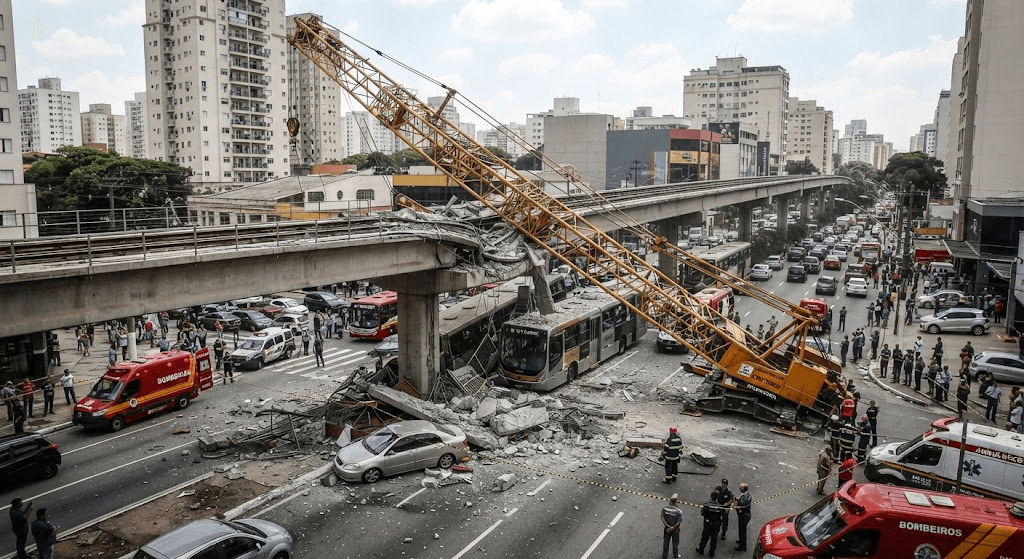
Transportation systems often resemble the circulatory networks of modern nations. Roads, railways, and air routes connect communities, sustain economies, and shape the rhythm of everyday movement. When accidents occur across multiple sectors within a short period, attention naturally turns toward questions of safety and preparedness.
During the first months of 2026, a series of transportation incidents involving highways, railway networks, and aviation operations prompted renewed discussion among regulators, safety experts, and infrastructure planners in several countries. The incidents varied in scale and circumstance, yet together they contributed to broader reviews of transportation safety frameworks.
Officials responsible for transportation oversight emphasized that accident investigations are designed not only to identify immediate causes but also to detect patterns that may reveal systemic weaknesses. Such reviews often examine maintenance practices, operational procedures, training standards, and emergency response readiness.
Railway authorities in multiple regions have increased attention toward signaling systems, track maintenance programs, and operational monitoring. Safety specialists note that growing transportation demand can place additional pressure on aging infrastructure if upgrades do not keep pace.
Within the aviation sector, regulators continue evaluating operational safety procedures while reviewing incident reports and technical findings. Commercial aviation remains one of the most heavily regulated forms of transportation, though authorities regularly update protocols following investigations.
Road transportation remains another major area of concern. Traffic volume, driver behavior, weather conditions, and vehicle maintenance all contribute to accident risks. Policymakers frequently balance infrastructure investment with enforcement and public awareness campaigns.
Experts argue that transportation safety should be viewed as a continuous process rather than a fixed achievement. Lessons from individual incidents often influence future regulations, engineering standards, and emergency management strategies.
Public confidence in transportation systems depends heavily on transparency during investigations and the implementation of recommendations once inquiries conclude. Governments and regulators increasingly publish findings to strengthen accountability and public understanding.
As reviews continue throughout 2026, transportation authorities in various countries are expected to assess both immediate risks and long-term improvements aimed at reducing future accidents across road, rail, and aviation networks.
AI Image Disclaimer: The accompanying images are AI-generated visualizations intended to support the editorial narrative of this report.
Sources: International Transport Forum International Civil Aviation Organization National Transportation Safety Board Reports Rail Safety Regulatory Publications
Published by Banx Network. This article is part of the Banx decentralized media programme, powered by the BXE token on the XRP Ledger.