
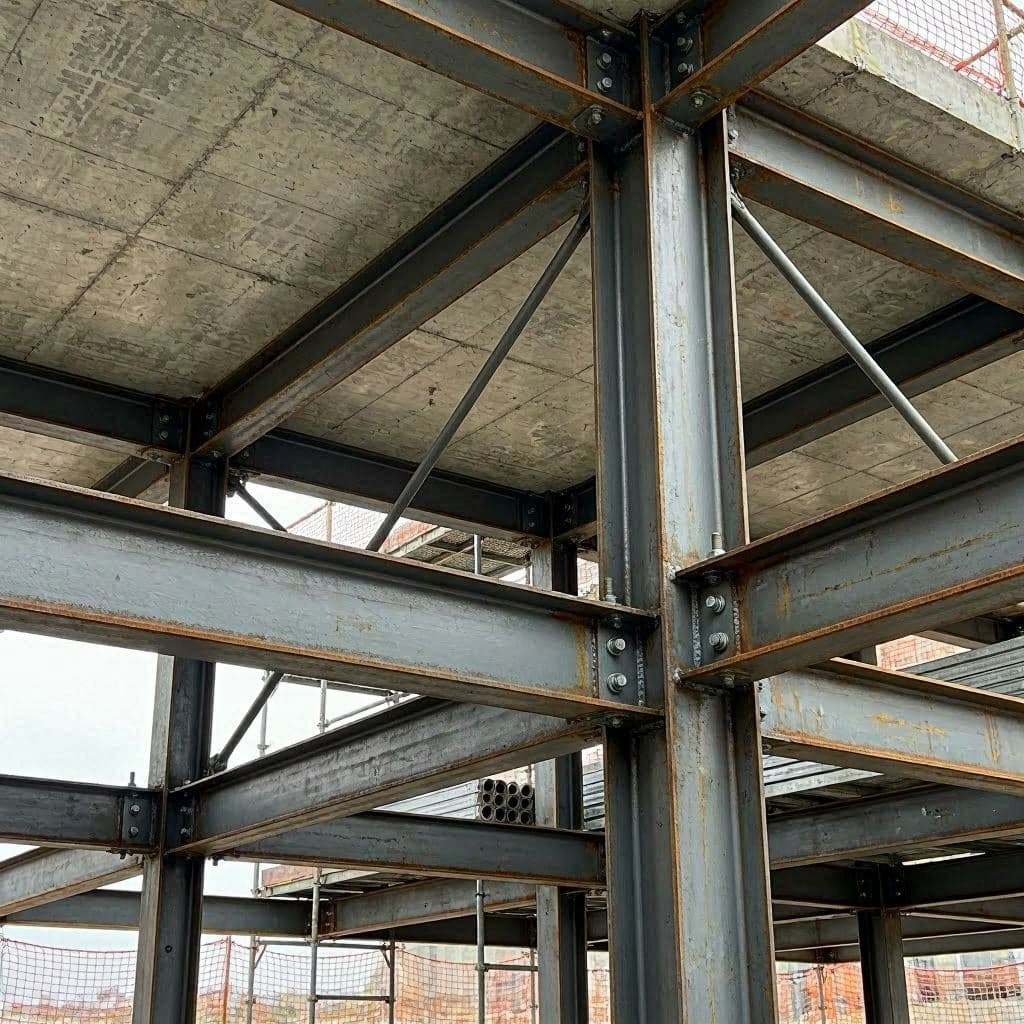
In the heart of Midtown Manhattan, where the skyline is a testament to human ambition and engineering prowess, a sudden tremor of uncertainty rippled through the streets. It began not with a roar, but with the quiet realization that something was amiss in the skeletal frame of a high-rise under construction. Workers noticed buckling columns, a subtle yet ominous sign of structural distress. The response was swift and decisive: evacuations. This incident serves as a sobering reminder that even in our most developed urban centers, the forces of gravity and material fatigue demand our constant vigilance and respect.
Body: The building in question, a towering structure undergoing conversion or new construction, became the focal point of an emergency response early Tuesday morning. Reports of falling debris and visible sagging in the support beams prompted immediate action from the Department of Buildings and local fire departments. The safety of workers and nearby residents was prioritized, leading to the evacuation of not just the construction site, but several adjacent buildings as a precautionary measure.
Engineers on the scene identified that two critical columns on the 21st and 22nd floors had buckled, causing floors between the 21st and 26th levels to sag. This type of structural failure, while rare in modern steel-frame buildings, highlights the complexities of high-rise construction. The weight of the upper floors, combined with potential issues in load distribution or material integrity, can create dangerous stress points. Investigating the root cause will require a thorough examination of construction logs, material quality, and design specifications.
The evacuation disrupted the daily rhythm of Midtown, a bustling hub of commerce and tourism. Streets were closed, subway entrances were blocked, and thousands of people were displaced from their offices and homes. While the inconvenience was significant, the collective response reflected a mature understanding of risk management. In a city built vertically, the stability of one structure is inextricably linked to the safety of its neighbors.
For the construction industry, this event raises important questions about oversight and safety protocols. High-rise projects are marvels of coordination, involving hundreds of workers and intricate supply chains. Ensuring that every beam and bolt meets rigorous standards is a monumental task. Regulatory bodies will likely review inspection procedures to determine if any lapses contributed to the failure. The goal is not to assign blame hastily, but to learn and improve systems for future projects.
Public reaction was a mix of concern and curiosity. Social media filled with images of the cordoned-off areas and the empty streets, sparking discussions about urban infrastructure resilience. For many New Yorkers, the sight of a compromised skyscraper is unsettling, challenging the assumption of permanence that defines the city’s architecture. It is a moment of reflection on the fragility that underlies even the most solid-seeming structures.
The economic impact, though temporary, is notable. Businesses in the evacuated buildings faced lost productivity, and the construction project itself faces delays and potential financial penalties. Insurance claims and legal inquiries will follow, adding layers of complexity to the resolution. However, the primary focus remains on ensuring that the site is stabilized and made safe before any work resumes.
As engineers work to shore up the structure, the community waits for answers. The incident underscores the importance of transparency and communication in crisis situations. Clear updates from officials help alleviate anxiety and build trust. It is a collaborative effort between authorities, experts, and the public to navigate the uncertainty and restore normalcy.
Closing: The evacuation of Midtown Manhattan buildings following the discovery of buckling columns at a construction site highlights the critical importance of structural safety. Emergency responders and engineers are working to stabilize the building and investigate the cause. The incident serves as a reminder of the ongoing challenges in urban development and the need for rigorous oversight.
AI Image Disclaimer: Please note that the visual illustrations accompanying this article are AI-generated representations intended to contextualize the discussion on urban construction safety.
Sources: CBS New York ABC7 New York The Washington Post WMUR
Published by Banx Network. This article is part of the Banx decentralized media programme, powered by the BXE token on the XRP Ledger.


