
Key Highlights
- South Korea unveils its first indigenous UAV engine prototypes.
- The turbofan engine is designed for a low-observable unmanned wingman aircraft.
- Development projects for both engines began in 2019 and 2021.
South Korea’s state arms procurement agency, the Defense Acquisition Program Administration (DAPA), has unveiled prototypes of domestically developed aircraft engines for unmanned aerial vehicles (UAVs). This marks a significant milestone as it is the first time the country has revealed prototypes of long-service-life, indigenously built UAV engines. Officials highlighted that this development is crucial for enhancing South Korea's defense capabilities and reducing reliance on foreign technology.
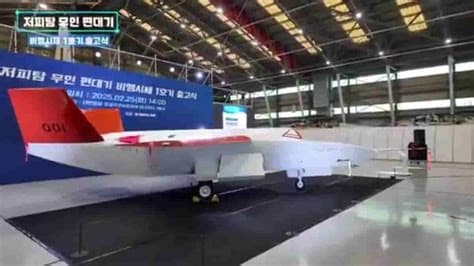
The centerpiece of this unveiling is a 5,500-pound-force class turbofan engine, which is currently under development. This engine is intended for a low-observable “unmanned wingman” aircraft that is designed to operate in conjunction with South Korea’s homegrown KF-21 fighter jet. According to officials, the turbofan engine has completed assembly and is now undergoing rigorous ground testing to ensure its performance and reliability.
In addition to the turbofan, South Korea also introduced a 1,400-horsepower turboprop engine specifically designed for reconnaissance UAVs. This turboprop engine is capable of medium- to high-altitude operations, further expanding the operational capabilities of South Korea’s UAV fleet. Similar to the turbofan, the turboprop has also completed assembly and is currently in the ground testing phase.
The development of these engines is part of a broader initiative by DAPA to secure indigenous engine technology, which is essential for the full localization of unmanned aircraft propulsion systems. The turbofan and turboprop development projects began in 2019 and 2021, respectively, and have been developed in collaboration with local defense firms, including Hanwha Aerospace. This partnership aims to bolster South Korea's defense industry and enhance its technological independence.
DAPA and the Agency for Defense Development emphasized that the success of these projects will not only support the development of UAV engines but will also complement ongoing work on airframe, flight control, and mission systems. This holistic approach is expected to strengthen South Korea's position in the global defense market and ensure that its military capabilities are on par with international standards.
As South Korea continues to invest in its defense technology, the unveiling of these UAV engine prototypes represents a significant step forward in achieving self-sufficiency in military aviation technology. The implications of this development extend beyond mere technological advancement; they also reflect South Korea's strategic intent to enhance its national security and defense posture in an increasingly complex geopolitical landscape.
Published by Banx Network. This article is part of the Banx decentralized media programme, powered by the BXE token on the XRP Ledger.



