
Key Highlights
- Proposal:Russian lawmakers suggest seizing private bank accounts to fund military efforts.
- Economic Context:Russia faces an $83 billion budget deficit amid rising military costs.
- Public Reaction:Concerns grow among citizens and businesses about potential asset seizures.
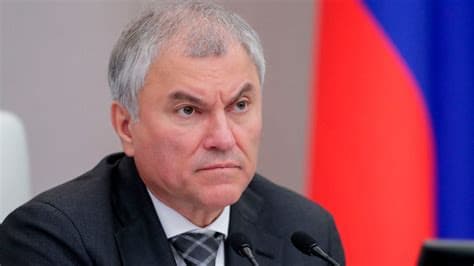
Russian lawmakers are advancing a controversial proposal that would empower the state to seize funds from private bank accounts to alleviate the financial strain caused by escalating military expenditures and a significant budget deficit. This initiative was brought to light by Gennady Zyuganov, a prominent figure in the Russian Communist Party, who emphasized the urgency of mobilizing approximately 130 trillion rubles (around $1.6 trillion) held in private accounts to address the country's economic challenges and the fiscal demands of ongoing military operations.
Zyuganov articulated that the Russian president could swiftly implement this measure through a single decree, framing it as a necessary wartime prerogative. His comments have sparked alarm within the business community, as many fear that individuals and corporations may rush to withdraw their assets or relocate abroad in anticipation of potential restrictions or freezes on their accounts. This sentiment reflects a growing unease regarding the government's increasing control over personal finances.
In addition to the proposed account seizures, reports indicate that the Russian finance ministry is drafting legislation aimed at enhancing state access to private pension savings. This move is part of a broader strategy to increase government oversight of various financial resources, as the Kremlin seeks to shore up its fiscal position amid mounting economic pressures.
The urgency of these proposals is underscored by the deteriorating state of Russia's public finances. Recent assessments reveal that the country's budget deficit has ballooned to 6 trillion rubles (approximately $83 billion) by the end of May, exacerbated by damage to infrastructure from Ukrainian drone strikes. These attacks have not only disrupted gasoline production but have also contributed to significant fuel shortages across the nation. The depletion of the sovereign wealth fund further complicates the financial landscape, prompting lawmakers to explore unconventional funding avenues.
In a notable acknowledgment of the crisis, President Vladimir Putin has publicly recognized the challenges surrounding fuel supply for the first time. The Russian government has implemented temporary restrictions on gasoline and aviation fuel exports, reflecting the severity of the situation. Additionally, emergency declarations have been issued in occupied Crimea due to fuel and power shortages, which have been attributed to logistical disruptions and strikes targeting energy infrastructure.
Zyuganov's remarks encapsulate a growing trend in Russia's wartime financing discourse. As traditional funding sources dwindle and industrial disruptions escalate, there is a marked shift towards tapping into private savings and financial accounts to sustain government spending priorities. This pivot raises critical questions about the implications for individual rights and the broader economic stability of the nation as it navigates the complexities of ongoing conflict and fiscal strain.
Published by Banx Network. This article is part of the Banx decentralized media programme, powered by the BXE token on the XRP Ledger.



