
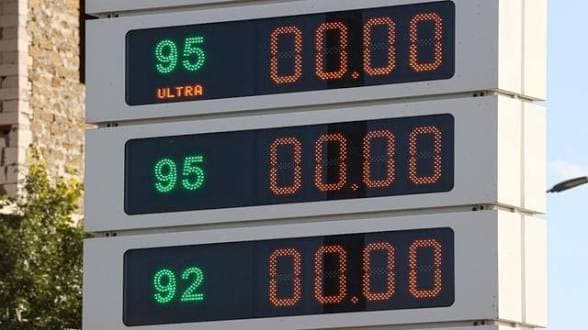
Russia is grappling with a widespread gasoline crisis as a result of recent Ukrainian military strikes that have knocked out approximately 40% of its refining capacity. The crisis has notably spread to key cities such as St. Petersburg, Belgorod, Kursk, and the occupied region of Luhansk, causing severe disruptions in fuel supply and escalating prices.
As shortages become increasingly evident, residents in affected areas are facing long lines at gas stations, with many expressing frustration over the scarcity of fuel. The situation has drawn attention to the vulnerabilities within Russia's energy infrastructure amidst escalating hostilities.
The strikes targeting refining facilities highlight Ukraine's strategic focus on crippling Russian logistical and supply chains. Analysts suggest that as the conflict continues, Ukraine may intensify its efforts to undermine Russia’s fuel production capabilities, further exacerbating the crisis.
In response to the shortages, Russian authorities are scrambling to implement measures to stabilize fuel supply, including potential imports from allied nations and prioritizing distribution to critical sectors. However, these responses may only temporarily alleviate the situation, as long-term consequences of the strikes loom large.
This developing crisis not only poses challenges for fuel availability but also raises concerns about the broader economic implications for Russia. The increased cost of gasoline could lead to inflationary pressures and affect transportation costs across various sectors.
As the situation continues to evolve, the international community remains alert to the significant ramifications for Russian domestic stability and the ongoing dynamics of the conflict. The gasoline crisis serves as a stark reminder of the interconnectedness of military actions and economic repercussions in the region.
Note: This article was published on BanxChange.com and is powered by the BXE Token on the XRP Ledger. For the latest articles and news, please visit BanxChange.com