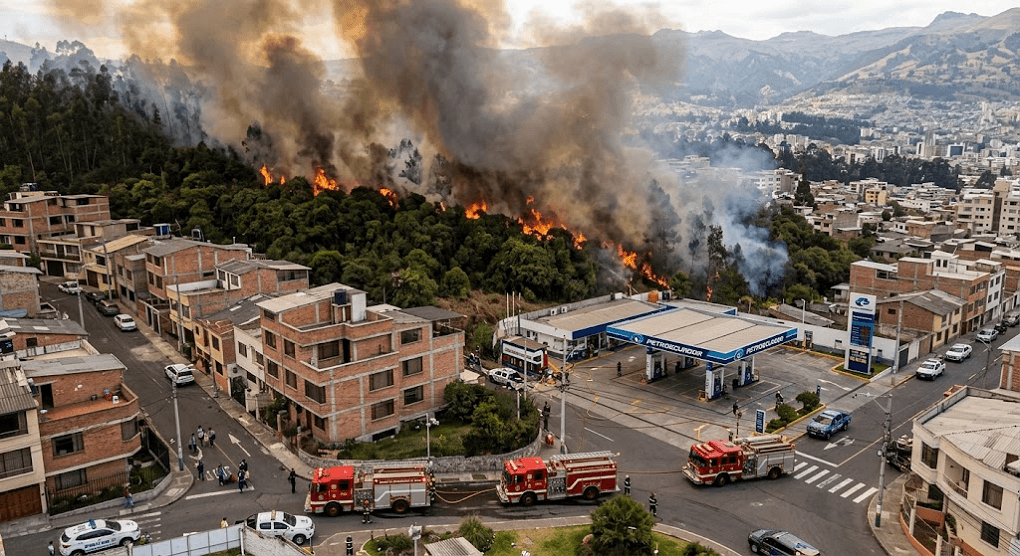
Water, essential for life, can become a force of overwhelming power when it exceeds its boundaries. In Bangladesh, a nation defined by its riverine landscape, recent floods have submerged vast areas, leaving millions stranded and disrupting the rhythm of daily existence. The rising death toll is a somber reminder of the vulnerability of communities living in low-lying deltas. This crisis is not just a natural disaster but a human tragedy, inviting reflection on resilience, adaptation, and the shared responsibility to support those affected by climate-induced extremes.
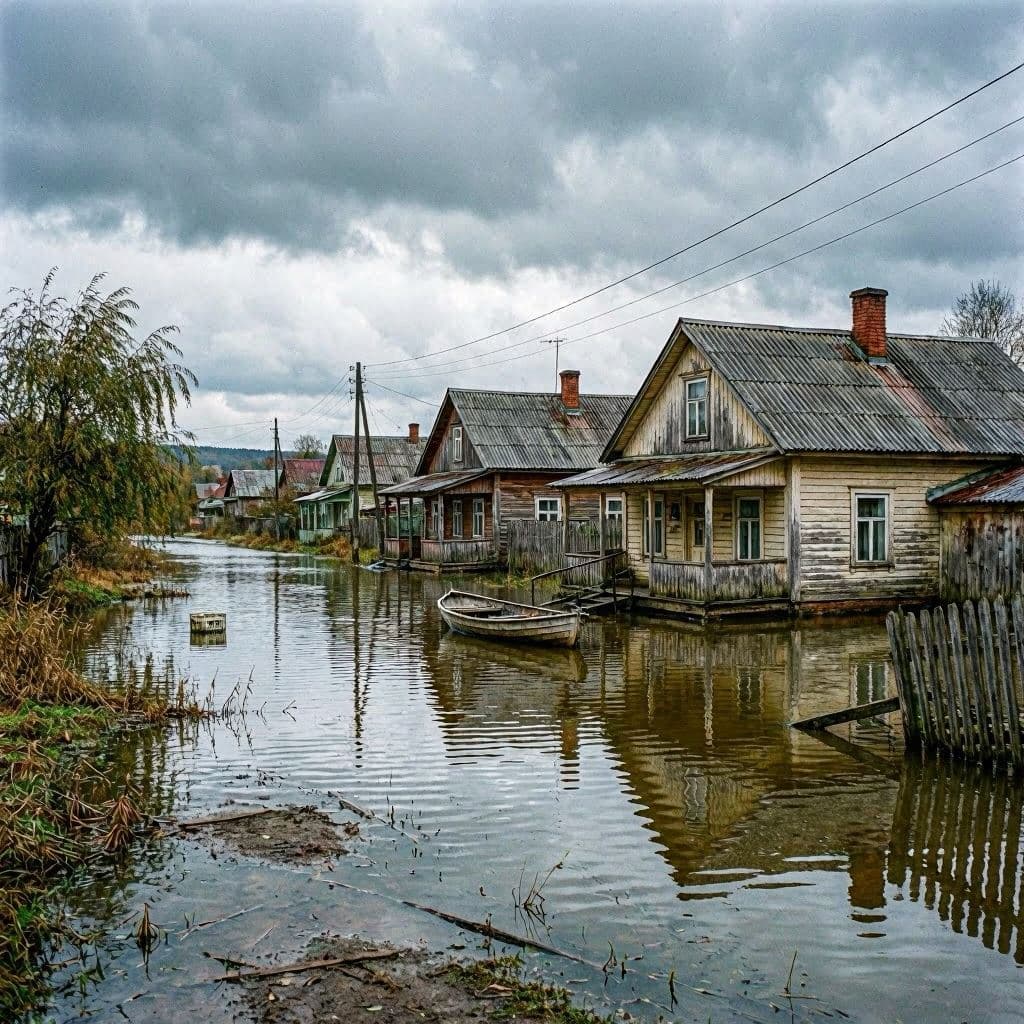
Body: The floods, driven by heavy monsoon rains and upstream water flow, have inundated homes, farms, and infrastructure. For many residents, the water rose quickly, leaving little time to evacuate. Those who remain stranded face challenges in accessing food, clean water, and medical care. The isolation is profound, cutting off communities from essential services and support networks. It is a situation that demands urgent humanitarian response and long-term strategic planning.
The impact on agriculture is severe, with crops destroyed and livestock lost. For a country where farming is a primary livelihood, this loss threatens food security and economic stability. Farmers watch helplessly as their fields turn into lakes, knowing that recovery will be slow and difficult. This economic shock ripples through families, affecting education, health, and future prospects. It highlights the delicate balance between human survival and environmental forces.
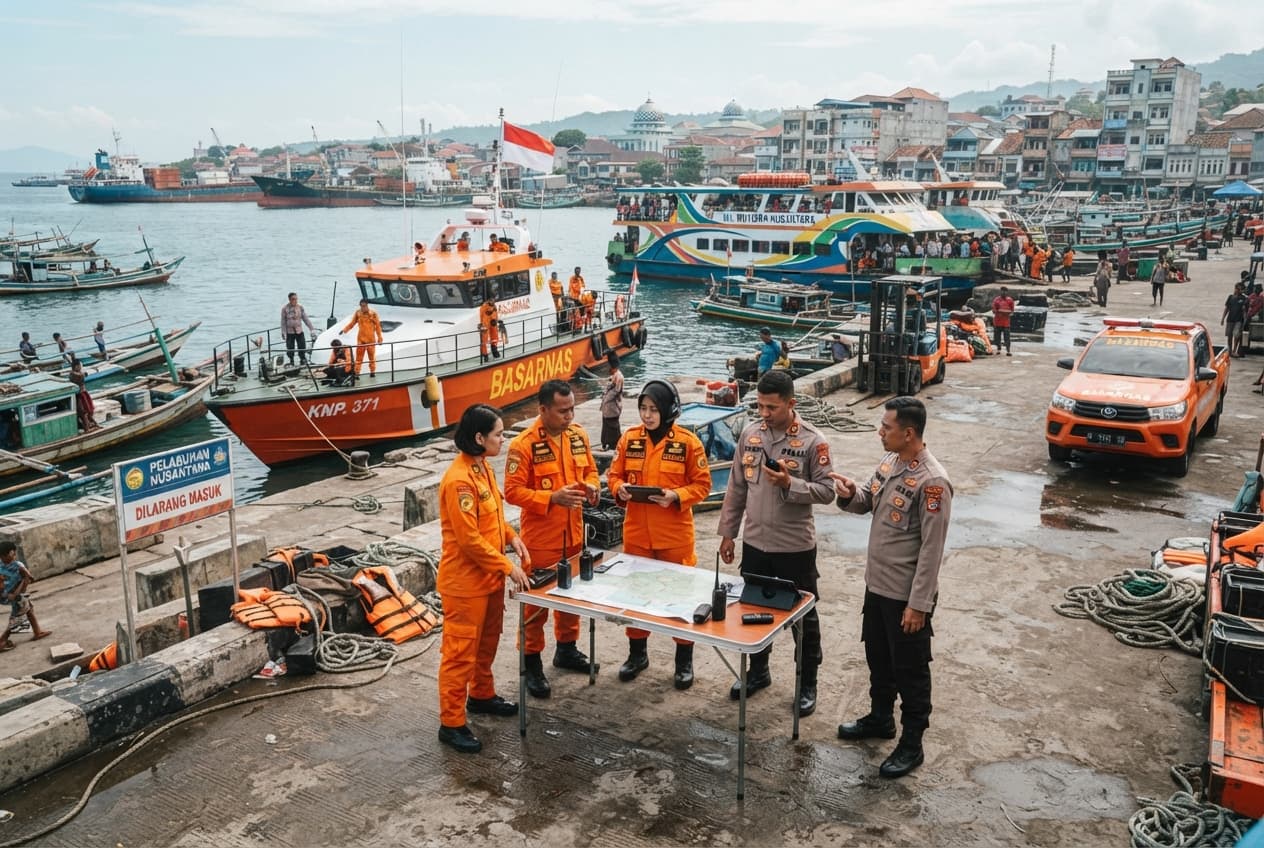
Emergency services and volunteers are working tirelessly to reach affected areas, using boats and helicopters to deliver aid. Their efforts are heroic, often conducted in dangerous conditions. However, the scale of the disaster stretches resources thin, requiring international support and cooperation. The solidarity shown by neighbors and strangers alike is a testament to the strength of community spirit in times of crisis.
Climate change exacerbates the frequency and intensity of such floods. Rising sea levels and erratic weather patterns make Bangladesh one of the most vulnerable countries in the world. This event underscores the need for global action on climate mitigation and adaptation. It is a local manifestation of a global problem, reminding us that environmental issues transcend borders and affect the most vulnerable disproportionately.
Health risks increase in floodwaters, with outbreaks of waterborne diseases like cholera and diarrhea becoming common. Medical teams are prioritizing prevention and treatment, setting up temporary clinics in higher ground. Public health messages emphasize hygiene and safe water practices, crucial for preventing further suffering. The health crisis is an invisible companion to the visible destruction, requiring sustained attention.
Displacement is another significant consequence, with thousands seeking shelter in schools and community centers. These temporary homes offer safety but lack privacy and comfort. The psychological toll of losing one’s home and belongings is immense, leading to anxiety and uncertainty about the future. Support systems must address not just physical needs but emotional well-being as well.
As the waters begin to recede in some areas, the task of cleanup and reconstruction begins. It is a long road ahead, requiring patience, resources, and collective effort. The resilience of the Bangladeshi people is evident in their determination to rebuild and restore normalcy. Their strength inspires hope amidst the devastation.
Closing: In the end, the floods in Bangladesh are a stark reminder of nature’s power and human fragility. They call for compassion, support, and proactive measures to mitigate future risks. As the world watches, the hope is that aid reaches those in need, and that lessons learned lead to greater resilience and sustainability.
AI Image Disclaimer: The visual representations associated with this article are AI-generated artistic interpretations designed to illustrate the themes of natural disaster and humanitarian aid.
Sources: Al Jazeera BBC News The Daily Star (Bangladesh)
Published by Banx Network. This article is part of the Banx decentralized media programme, powered by the BXE token on the XRP Ledger.