
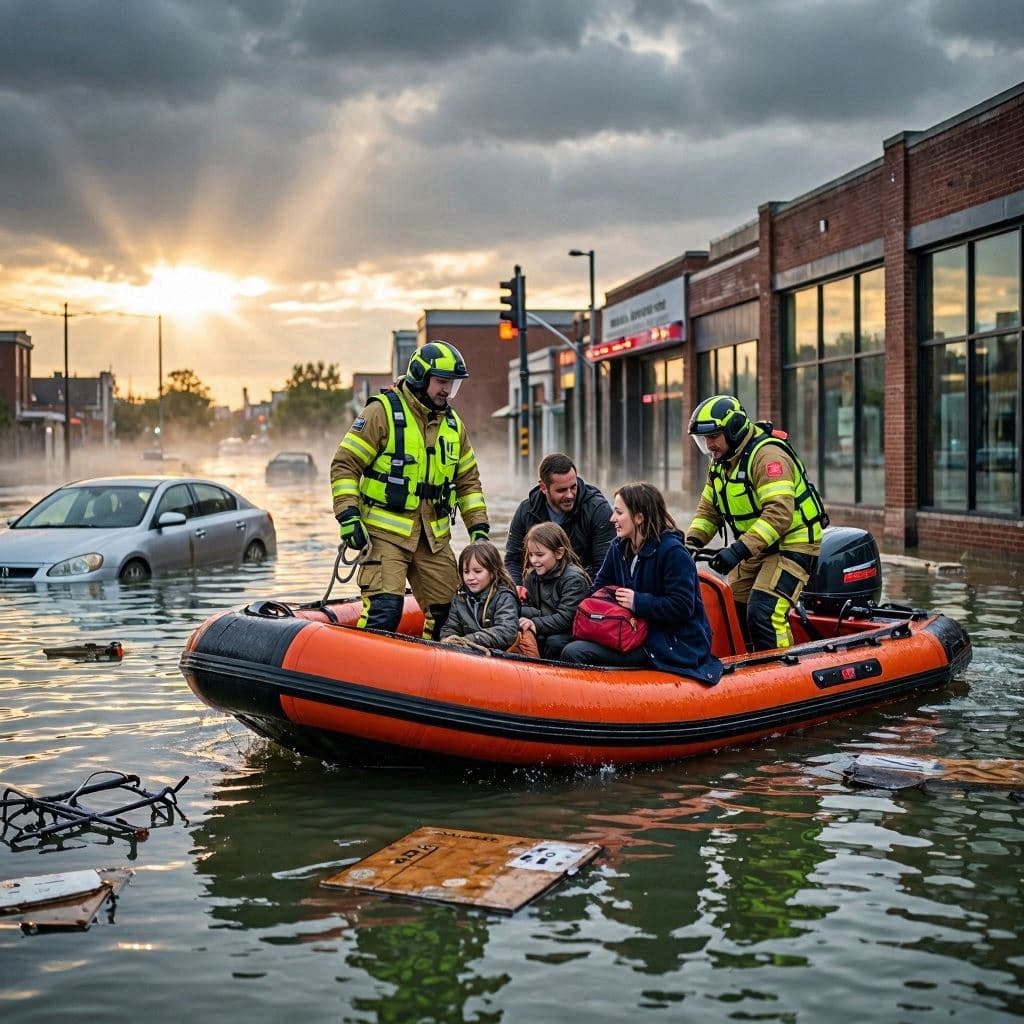
Water, essential for life, can also be a force of immense destruction when unleashed without warning. In Texas, recent days have seen relentless rainfall transform streets into rivers and homes into islands. As flash flood emergencies widened across the state, emergency responders worked tirelessly to rescue dozens of trapped residents. This crisis is not just a weather event; it is a stark reminder of the vulnerability of communities to extreme climate patterns. It invites reflection on the resilience of first responders, the increasing frequency of severe weather, and the urgent need for adaptive infrastructure in the face of a changing environment.
Body: The heavy rains, driven by a slow-moving storm system, overwhelmed drainage systems and swollen creeks. Water rose rapidly, catching many by surprise in their vehicles and homes. Emergency services received hundreds of calls for help, stretching resources to their limits. Firefighters, police officers, and volunteer teams used boats and high-water vehicles to reach those stranded. Their bravery in the face of dangerous currents is a testament to the spirit of service.
For the residents, the experience was terrifying. Many described watching water surge into their living rooms within minutes, forcing them to climb to higher ground. The loss of property is significant, but the relief of survival is paramount. Stories of neighbors helping each other highlight the strength of community bonds in times of crisis. It is a reminder that we are not alone in our struggles.
Climate scientists point to warming temperatures as a factor in the intensity of such storms. Warmer air holds more moisture, leading to heavier precipitation events. While individual storms cannot be solely attributed to climate change, the trend of increasing severity is clear. Texas, with its vast geography and varied climate, is particularly susceptible to these extremes. Adaptation becomes a necessity, not just an option.
Infrastructure plays a critical role in mitigating flood damage. Older drainage systems, designed for different rainfall patterns, often fail under current conditions. Investment in green infrastructure, such as permeable pavements and restored wetlands, can help absorb excess water. Urban planning must evolve to account for new realities, prioritizing safety and sustainability. It is a long-term project that requires political will and public support.
Emergency management agencies are reviewing their response strategies to improve efficiency. Early warning systems, better communication channels, and coordinated evacuation plans are essential for saving lives. Public education on flood safety is also crucial, ensuring that residents know how to react when warnings are issued. Preparedness can make the difference between life and death.
The economic impact of the floods is substantial, affecting businesses, agriculture, and insurance rates. Recovery will take time and resources, placing a burden on local governments and families. Federal aid may be available, but the immediate needs are often met by local charities and community groups. Solidarity in recovery is as important as rescue in the moment.
As the rains subside, the focus shifts to cleanup and assessment. Damage surveys will determine the extent of the loss, guiding reconstruction efforts. The emotional toll on survivors is also significant, requiring mental health support and counseling. Healing is a holistic process that addresses both physical and psychological wounds.
Closing: In the end, the Texas flash floods are a powerful reminder of nature’s unpredictability. They highlight the importance of preparedness, community, and adaptive planning. As we rebuild, the hope is that we will create more resilient communities capable of withstanding future challenges.
AI Image Disclaimer: Visuals accompanying this text are AI-generated conceptualizations intended to depict the themes of natural disasters and emergency response.
Sources: Texas Tribune CNN National Weather Service
Note: This article was published on BanxChange.com and is powered by the BXE Token on the XRP Ledger. For the latest articles and news, please visit BanxChange.com