The Strait of Hormuz is a narrow artery through which the lifeblood of the global economy flows, carrying a significant portion of the world’s oil and liquefied natural gas. Recently, the prospect of a new toll on this vital waterway sent shockwaves through international markets, only to be swiftly withdrawn. Former President Donald Trump’s initial announcement of a 20 percent fee for ships transiting the strait was met with immediate legal and diplomatic pushback, leading to a rapid reversal. This episode invites reflection on the complexities of geopolitical power, the fragility of global trade routes, and the delicate balance between asserting authority and maintaining international stability.
Body: The proposal emerged during a period of heightened tension in the Middle East, framed as a measure to recover costs associated with ensuring safe passage through the contested waters. The idea was presented as a way to assert American influence and deter adversarial actions by regional powers. However, the reaction from the international community was swift and unequivocal. The International Maritime Organization (IMO), a United Nations agency, stated that there is no legal basis for such mandatory tolls under international law, particularly the United Nations Convention on the Law of the Sea.
For global shipping companies, the threat of a 20 percent fee represented a potential doubling of transit costs, which would have rippled through energy prices and consumer goods worldwide. The uncertainty alone was enough to disrupt planning and increase insurance premiums. Markets reacted with volatility, reflecting the deep anxiety that any disruption to the Strait of Hormuz can cause. It is a reminder of how dependent the modern world is on the free flow of commerce through these narrow chokepoints.
Diplomatically, the proposal strained relations with allies and partners who rely on the strait for their energy security. Nations in Europe and Asia expressed concern that unilateral actions could escalate tensions rather than resolve them. The backlash highlighted the importance of multilateral consensus in managing global commons. Without broad support, such measures risk isolating the proponent and undermining the very stability they seek to enforce.
The reversal came quickly, with assurances that no tolls would be imposed during ongoing ceasefire negotiations. This pivot suggests a recognition of the practical and legal hurdles involved. It also reflects a strategic calculation that maintaining open lines of communication and trade is more beneficial than imposing punitive fees. The decision to step back allows space for diplomatic efforts to proceed without the added pressure of economic coercion.
Legal experts note that freedom of navigation is a cornerstone of international maritime law. Any attempt to impose tolls on innocent passage in international straits is widely viewed as a violation of these norms. Upholding these principles is crucial for preventing conflict and ensuring predictable trade. The episode serves as a case study in the limits of unilateral power in a rules-based international order.
For the region, the uncertainty has been unsettling. Local economies depend on the steady movement of tankers and cargo ships. Any perception of instability can lead to hoarding, price spikes, and reduced investment. The quick resolution of the toll issue helps to restore confidence, but the underlying tensions remain. Continued vigilance and dialogue are necessary to ensure long-term security.
As the situation stabilizes, attention turns back to broader diplomatic efforts. The focus is now on reaching a sustainable agreement that addresses security concerns without disrupting global trade. This approach prioritizes cooperation over confrontation, seeking solutions that benefit all parties involved. It is a path that requires patience and mutual respect.
Closing: In the end, the backtrack on the Hormuz toll is a testament to the resilience of international norms. It highlights the importance of legal frameworks in guiding state behavior. As we move forward, the hope is that diplomacy will prevail, ensuring that the Strait of Hormuz remains a channel of commerce rather than conflict.
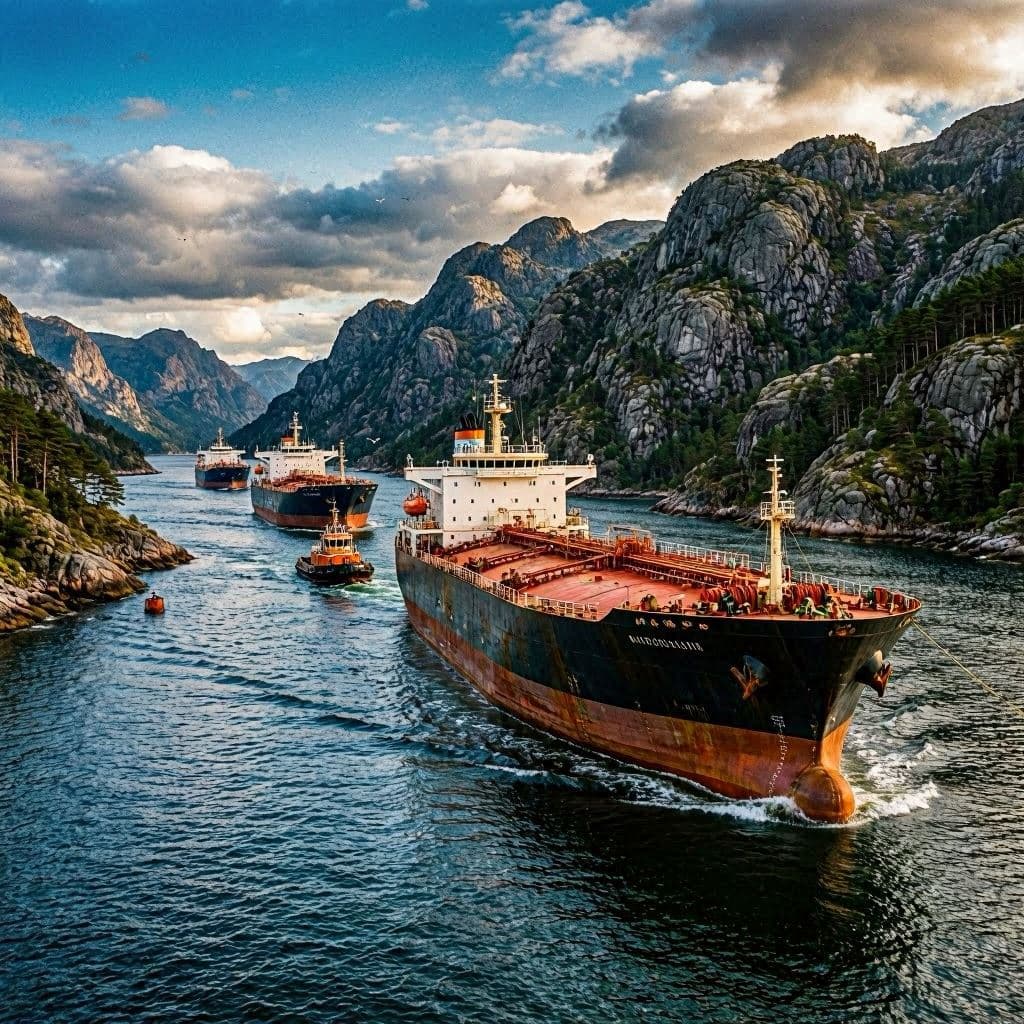
AI Image Disclaimer: Please note that any accompanying visuals for this narrative are artificially generated interpretations meant to evoke the spirit of the story, not documentary evidence.
Sources: Politico CNBC The New York Times
Published by Banx Network. This article is part of the Banx decentralized media programme, powered by the BXE token on the XRP Ledger.