In the arid, sun-drenched landscape of southern Peru, where ancient geoglyphs etch mysteries into the desert floor, a modern tragedy has left an indelible mark. The recent crash of a sightseeing aircraft over the Nazca Lines claimed thirteen lives, shattering the tranquility of a site renowned for its historical wonder. As the dust settles and the wreckage is cleared, a quieter, more solemn task begins: the identification of the victims by forensic experts. This process, though technical and methodical, is deeply human, serving as the final act of dignity for those who lost their lives while seeking to witness one of the world’s most awe-inspiring archaeological treasures.
The accident, which occurred on August 1, 2026, involved a small Cessna aircraft operated by Aerodiana, a company specializing in tours over the UNESCO World Heritage site. All eleven passengers and two crew members perished in the impact. The passengers were primarily European tourists, including seven Italians, two Germans, and two Spaniards, who had traveled thousands of miles to view the enigmatic lines from the air. Their deaths have sent shockwaves through their home communities and highlighted the risks inherent in aviation tourism.
Forensic teams from the Peruvian Ministry of Justice and Human Rights are working tirelessly to identify the remains. The process involves DNA analysis, dental records, and fingerprinting, often requiring collaboration with international authorities and families abroad. Given the severity of the crash, some identifications are complex, demanding patience and precision. Each confirmed identity brings a measure of closure to grieving families, allowing them to begin the difficult journey of mourning and repatriation.
The suspension of Aerodiana’s operations pending investigation underscores the seriousness of the incident. Authorities are examining maintenance records, pilot qualifications, and weather conditions to determine the cause. While speculation abounds, officials urge restraint until factual evidence is compiled. The focus remains on understanding what went wrong to prevent future tragedies, ensuring that the sky above Nazca remains a place of wonder rather than fear.
For the local community in Ica, the crash is a somber reminder of the fragility of life amidst the enduring presence of history. The Nazca Lines, created between 500 BCE and 500 CE, have survived millennia of natural elements, yet modern technology can fail in an instant. This juxtaposition invites reflection on our relationship with the past and the precautions we take in the present. It is a moment to honor both the ancient creators and the modern visitors who sought to connect with their legacy.
International consulates are assisting the families of the deceased, providing logistical support and counseling. The diplomatic effort highlights the global nature of such tragedies, where borders dissolve in the face of shared grief. Cooperation between Peruvian authorities and foreign governments is essential for a smooth and respectful identification process. This collaboration ensures that the victims are treated with the utmost care and respect.
As identifications continue, memorials are being planned in the victims’ home countries. These tributes will serve as permanent reminders of the lives lost and the joy they sought in travel. For many, the trip to Peru was a dream fulfilled, making the loss even more poignant. The memory of their final journey will be preserved not just in official reports but in the hearts of those who loved them.
The work of forensic doctors in Peru is a testament to the dedication required in the aftermath of disaster. By meticulously identifying each victim, they restore identity to the anonymous and provide answers to the bereaved. In the shadow of the Nazca Lines, this act of service honors the dead and supports the living, bridging the gap between tragedy and healing.
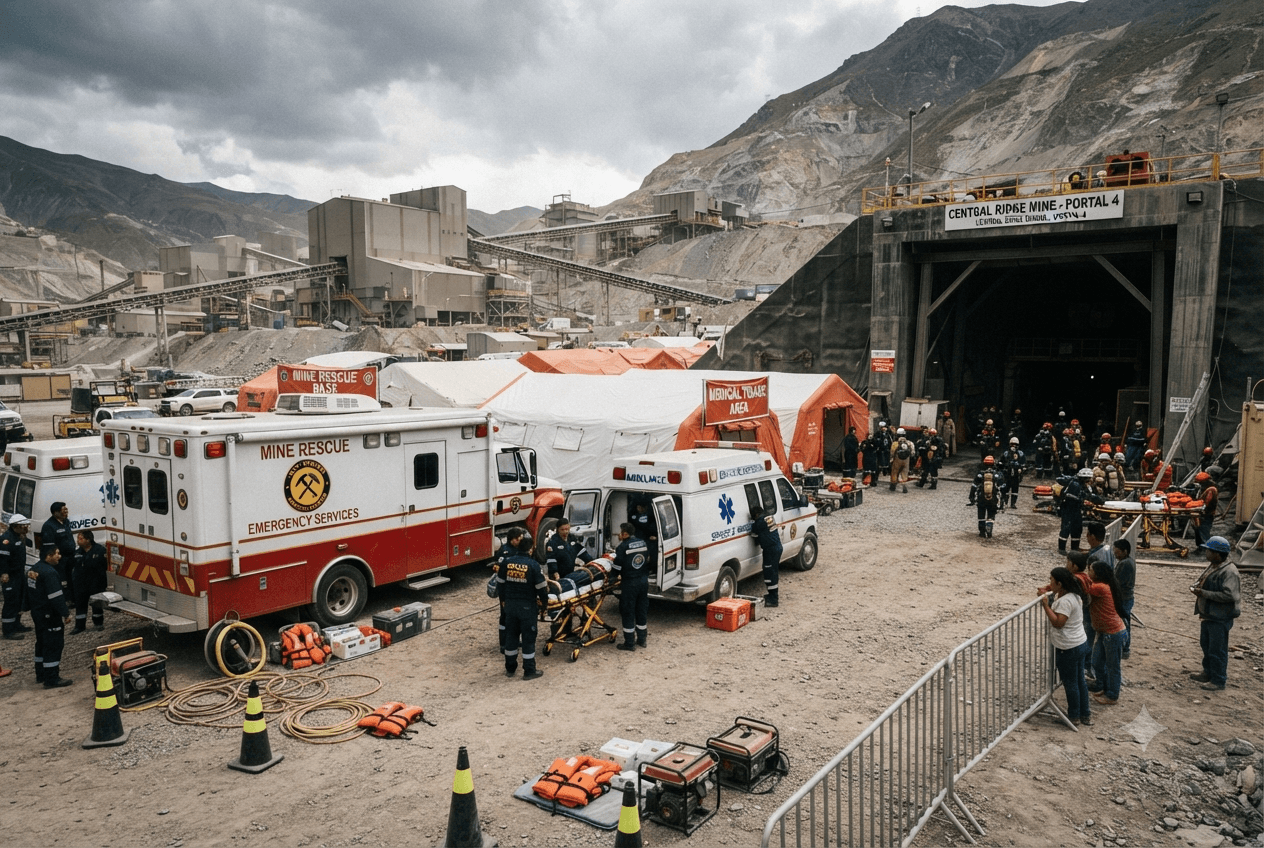
AI Image Disclaimer: The visuals accompanying this article are AI-generated illustrations designed to represent the themes of forensic science and memorialization.
Sources: CNN, The Guardian, Al Jazeera, NBC News, Euronews
Note: This article was published on BanxChange.com and is powered by the BXE Token on the XRP Ledger. For the latest articles and news, please visit BanxChange.com