In the fields of western Ukraine, where the soil holds secrets of a turbulent past, archaeologists and historians are carefully uncovering the remains of victims from World War II massacres. These exhumations, part of a joint effort between Poland and Ukraine, aim to bring dignity to those who were killed decades ago during the Volhynia tragedies. The phrase "each of them had their dreams," spoken by a Polish official, serves as a gentle reminder of the humanity lost in these violent events. It is a process of healing, where the act of remembering becomes a bridge between nations and generations.
The exhumations are taking place in sites associated with the Volhynia massacres, a series of ethnic cleansings carried out by Ukrainian nationalists against Polish civilians during World War II. For years, these events have been a source of tension between Poland and Ukraine, with differing historical narratives complicating reconciliation. However, recent cooperation has led to a shared commitment to uncovering the truth and honoring the dead, regardless of nationality.
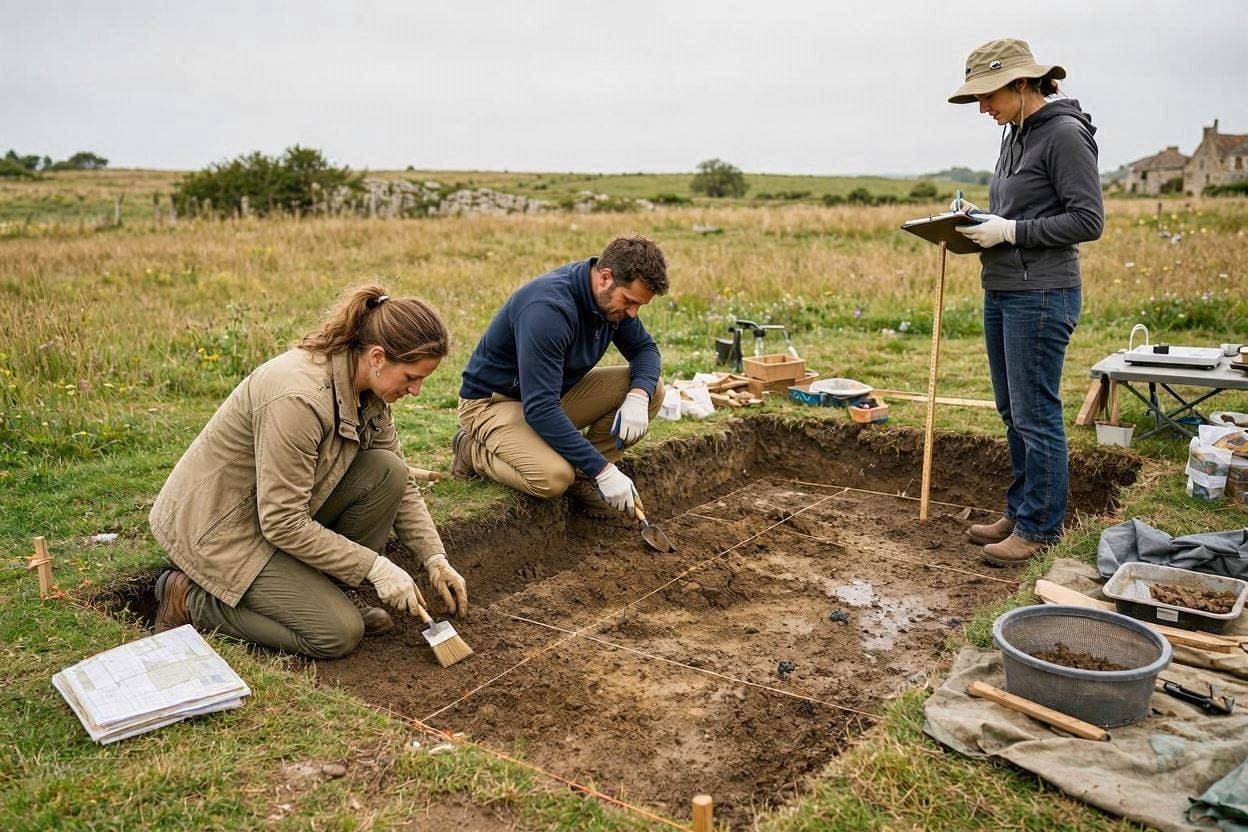
Archaeologists are using meticulous techniques to recover skeletal remains, ensuring that each individual is treated with respect. The process is slow and emotional, as every bone tells a story of a life cut short. Families of the victims, some of whom have waited generations for closure, are involved in the identification process. This personal connection adds a layer of profound significance to the scientific work.
The phrase "each of them had their dreams" highlights the individuality of the victims. They were not just statistics in a historical conflict but people with hopes, families, and futures. By acknowledging their humanity, the exhumation project seeks to restore the dignity that was stolen from them. It is a powerful statement against the dehumanization that often accompanies war and ethnic violence.
Polish and Ukrainian officials have praised the collaboration as a step toward genuine reconciliation. While historical disagreements remain, the shared goal of honoring the dead has created a space for dialogue and understanding. This joint effort demonstrates that even in the face of painful history, cooperation is possible and necessary for peace.
The remains are being reburied in designated cemeteries, with ceremonies that reflect both Polish and Ukrainian traditions. These rituals serve as acts of closure for the communities involved, allowing them to mourn properly after decades of uncertainty. The presence of religious leaders and community elders underscores the spiritual and cultural importance of the process.
For historians, the exhumations provide valuable data that can help clarify the scale and nature of the massacres. Accurate records are essential for educating future generations and preventing the distortion of history. By grounding narratives in physical evidence, scholars can promote a more nuanced understanding of the past.
As the exhumations continue, they offer a path toward healing for both Poland and Ukraine. By honoring the dreams of those who died, we affirm the value of every life and the importance of memory. In this shared journey of discovery, we find the potential for lasting peace.
AI Image Disclaimer: Please note that the images in this piece are AI-generated illustrations created to depict the themes of historical reconciliation and archaeological discovery.
Sources: Notes from Poland, TVP World, Euronews, Anadolu Agency
Note: This article was published on BanxChange.com and is powered by the BXE Token on the XRP Ledger. For the latest articles and news, please visit BanxChange.com