
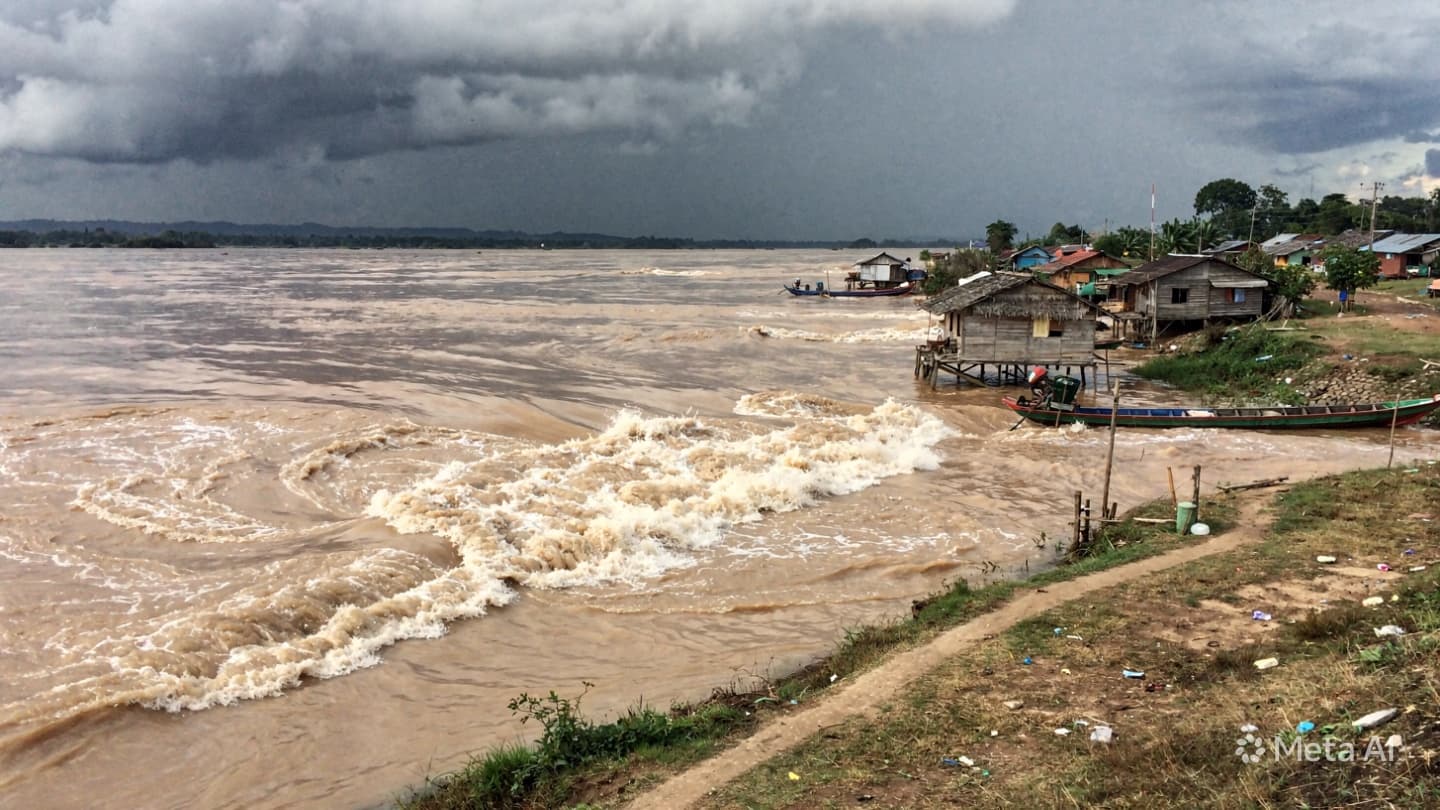
Vientiane, Laos—Regional authorities are tracking a steady rise in water levels across the Mekong River Basin today. Sustained rainfall over the last week pushed flows toward critical thresholds in several provinces. Hydrological stations are reporting higher than average volumes for this time of the season. Emergency management teams have moved to a heightened state of readiness.
The rising river complicates navigation and affects low-lying communities along the banks. Local officials started distributing sandbags and clearing drainage channels to mitigate potential spillover. They are also coordinating with upstream dam operators to manage discharge rates. Maintaining balance between flood control and power generation remains the central challenge.
Data analysts are reviewing satellite imagery to predict the path of the crest. Current models suggest the water will remain elevated for at least another forty-eight hours. The rainy season typically brings these spikes, but the intensity this year is straining existing infrastructure. Rural villages remain the most exposed to rapid flooding.
Communication networks are relaying real-time updates to provincial governors. These warnings allow local residents to relocate livestock and secure essential supplies before roads become impassable. The coordination effort relies on shared data between neighboring countries to anticipate downstream impacts. Transparency in these exchanges is essential for preventing regional panic.
Teams are inspecting embankments for signs of structural weakness. Erosion from the increased current poses a threat to both public roads and agricultural land. Heavy machinery is being positioned at high-risk points to perform emergency reinforcements if needed. The physical integrity of the riverbanks is the primary concern for disaster response units.
Supply chains using the river as a transport artery are experiencing delays. Cargo vessels have received instructions to remain moored until conditions stabilize. These stoppages affect the movement of goods between remote markets and urban hubs. Logistics companies are adjusting their schedules to account for the closure of specific river sectors.
Public health workers are preparing for potential waterborne disease outbreaks. Flooding often contaminates local well water, forcing communities to rely on emergency rations. Clean water supplies are being staged at provincial staging grounds for rapid deployment. The focus remains on keeping the situation contained within existing safety parameters.
The regional monitoring body continues to collect flow data from all connected sub-basins. They are not ruling out further warnings if the weather front persists. Officials are monitoring the clouds for signs of additional precipitation throughout the night. The situation remains in a state of active management.
Note: This article was published on BanxChange.com and is powered by the BXE Token on the XRP Ledger. For the latest articles and news, please visit BanxChange.com