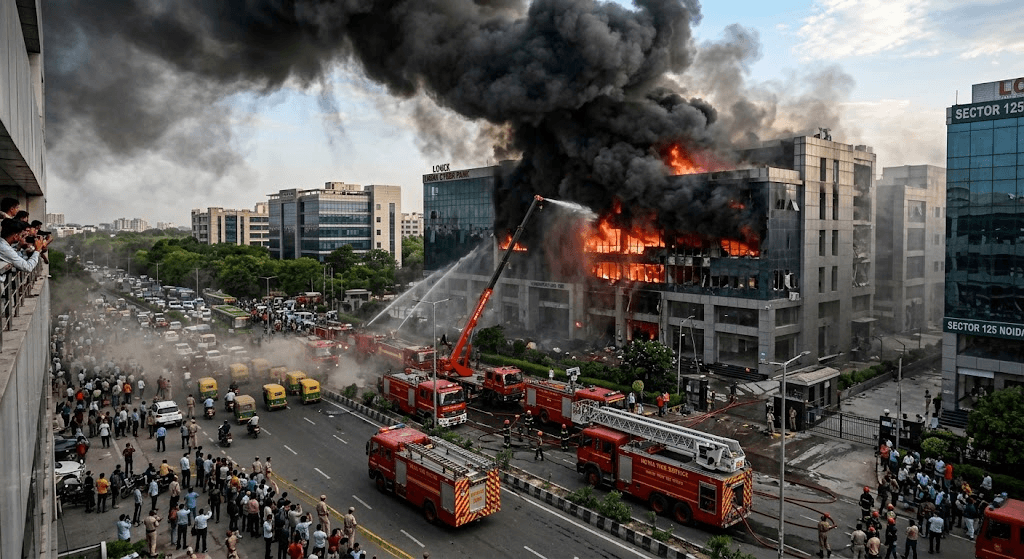
The aftermath of conflict often extends far beyond the battlefield. Long after military operations subside, governments face the complex task of repairing damaged infrastructure, restoring public services, and rebuilding confidence.
A new proposal under consideration in Washington has placed reconstruction efforts at the center of a broader geopolitical discussion. According to sources familiar with the matter, the United States is exploring whether Iranian assets could be used to help Gulf allies recover from damage linked to recent hostilities.
The reported initiative emerged following attacks that affected several Gulf countries, including Kuwait and Bahrain. U.S. officials are assessing both future reconstruction needs and costs associated with previous damage.
Treasury Secretary Scott Bessent has reportedly directed officials to evaluate repair costs and examine available mechanisms that could support rebuilding efforts. The exact form of any asset transfer has not been publicly detailed.
The discussion arrives at a sensitive diplomatic moment. Iranian officials have previously linked future peace arrangements to the release of billions of dollars in frozen Iranian assets held abroad.
Supporters of the proposal argue that countries affected by attacks require substantial assistance to restore infrastructure and economic activity. Critics, meanwhile, point to potential legal and diplomatic complications surrounding the use of foreign assets.
Financial markets across the Gulf have also been monitoring developments closely. Regional investors continue assessing the implications of renewed tensions and evolving policy proposals.
The broader issue reflects a familiar challenge in international affairs: determining how reconstruction should be financed after conflict and how responsibility should be defined in complex regional disputes.
No final policy has yet been announced. However, the proposal has already become part of a wider conversation about reconstruction, diplomacy, and the future economic landscape of the Gulf region.
AI Image Disclaimer: The images presented with this article were generated by AI and are intended solely as illustrative visualizations
Source Verification Check Credible sources identified:
Reuters GMA News Investing.com (Reuters report) The Spokesman-Review (Reuters report) The Jerusalem Post (Reuters report)
Published by Banx Network. This article is part of the Banx decentralized media programme, powered by the BXE token on the XRP Ledger.