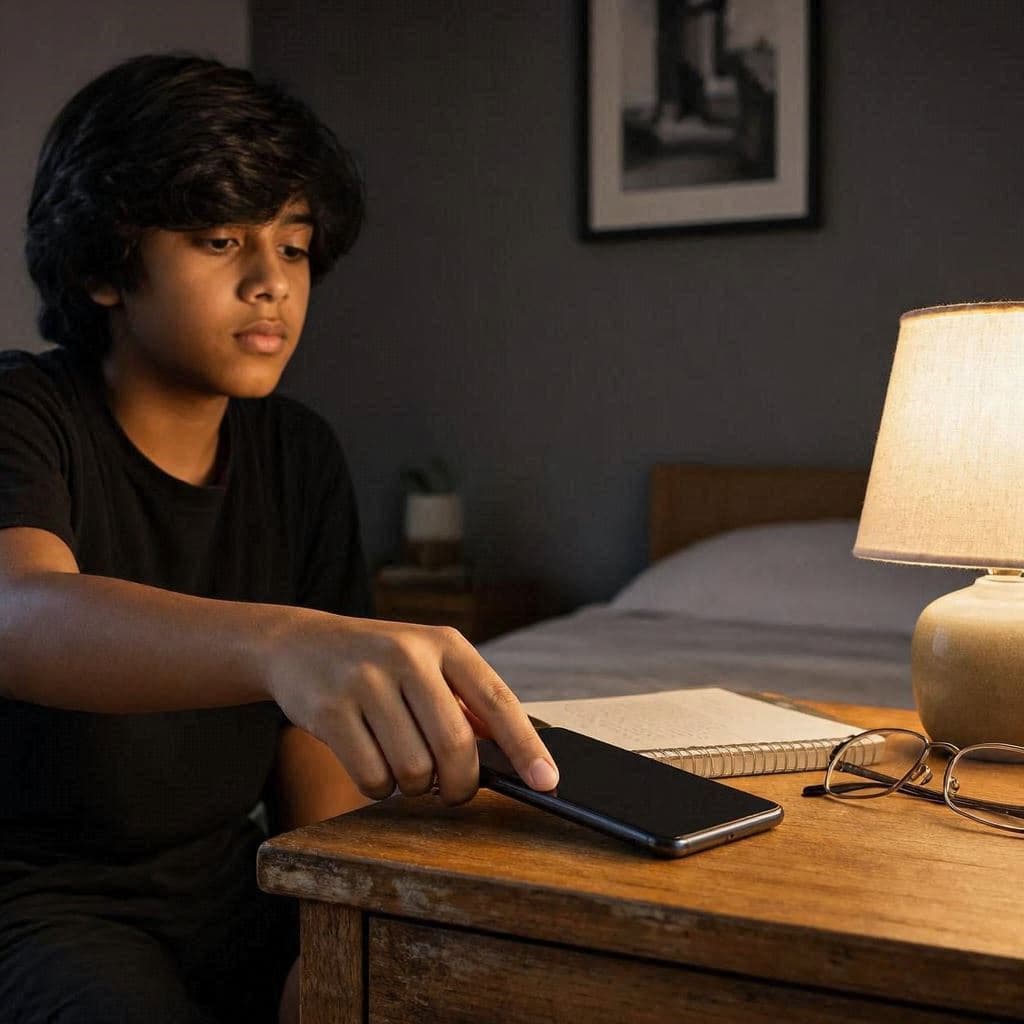
The glow of a smartphone screen in the quiet hours of the night has become a familiar silhouette of modern adolescence, a digital window that remains open long after the world has gone to sleep. In an effort to protect the well-being of young people, the UK government has proposed a midnight curfew for social media use among 16- and 17-year-olds, alongside measures to limit infinite scrolling. This initiative is not merely a regulatory adjustment; it is a societal intervention into the rhythms of daily life, inviting reflection on the balance between digital freedom and mental health, and the role of technology in shaping the next generation’s habits. It asks us to consider how we might reclaim the night for rest and reflection in an age of constant connectivity.
Body: The proposal suggests that social media platforms should default to blocking access for users aged 16 and 17 between midnight and 6 a.m. Unlike stricter bans for younger children, this measure includes an opt-out feature, allowing teenagers to override the restriction if they choose. This design acknowledges the growing autonomy of older teens while gently nudging them toward healthier sleep patterns. It represents a shift from prohibition to guidance, trusting young people to make informed choices once they are aware of the potential impacts.
Infinite scrolling, the mechanism that keeps users engaged by continuously loading new content, is also targeted. By introducing friction into this process, such as pause prompts or limits, the aim is to break the hypnotic cycle of consumption. For many, the endless feed has become a source of anxiety and distraction, disrupting focus and sleep. These technical adjustments seek to restore a sense of agency, encouraging users to engage with content intentionally rather than passively.
Supporters of the plan argue that sleep deprivation among teens is a public health crisis, exacerbated by late-night screen time. Studies have linked excessive social media use to poor mental health outcomes, including anxiety and depression. By creating a digital curfew, policymakers hope to improve sleep quality and overall well-being. It is a preventive measure, aiming to address the root causes of distress before they escalate.
Critics, however, raise concerns about privacy and enforcement. How will age verification be handled without compromising user data? Will the opt-out feature render the curfew ineffective? Some argue that education and parental guidance are more effective tools than technical restrictions. They worry that such measures may be seen as paternalistic, potentially straining trust between adults and teenagers. The debate highlights the complexity of regulating personal behavior in digital spaces.
For tech companies, the proposal presents both a challenge and an opportunity. Implementing these features requires significant engineering efforts and changes to user experience designs. However, it also offers a chance to lead in responsible innovation, demonstrating a commitment to user welfare. Companies that adapt quickly may gain a competitive edge in a market increasingly focused on ethical design. It is a test of corporate social responsibility.
Public reaction has been mixed, with parents largely supportive and teens expressing skepticism. Many young people view social media as a vital space for social connection and identity formation. Restricting access, even voluntarily, may feel like an intrusion into their private lives. Effective communication will be key to ensuring that the policy is understood as a support mechanism rather than a punishment. Dialogue and collaboration can help bridge this gap.
As the proposal moves through legislative channels, details will be refined. Consultation with experts, educators, and young people themselves will shape the final framework. The goal is to create a system that is both effective and respectful of individual rights. It is a collaborative effort to build a healthier digital environment for all.
Closing: In the end, the midnight curfew and scrolling limits are a thoughtful attempt to harmonize technology with human needs. They reflect a growing awareness of the impact of digital habits on well-being. As we navigate this new landscape, the hope is that these measures will foster a culture of mindful usage, allowing teens to thrive both online and offline.
AI Image Disclaimer: Please note that any accompanying visuals for this narrative are artificially generated interpretations meant to evoke the spirit of the story, not documentary evidence.
Sources: The Guardian Reuters BBC News
Published by Banx Network. This article is part of the Banx decentralized media programme, powered by the BXE token on the XRP Ledger.