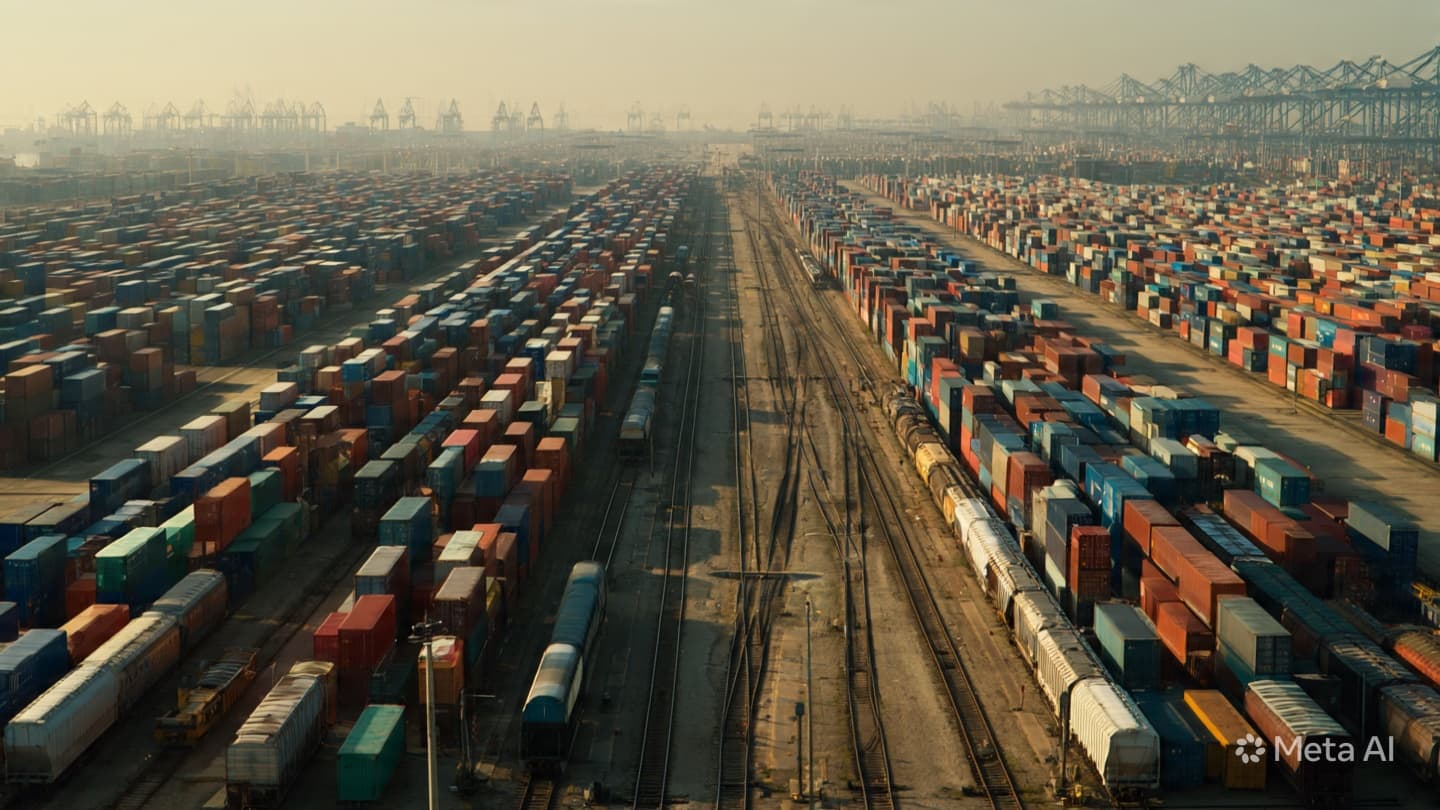
The transit hubs that dot the landscape—the customs offices, the border crossings, and the distribution terminals—are the true heart of our regional economy. They are the points where the world connects, where the flow of goods is measured, taxed, and released into the broader stream of commerce. Yet, in the quiet corners of these bustling facilities, corruption has often found a home. It is a subtle, corrosive force, one that works through the slow accumulation of illicit favors and the quiet exchange of influence, undermining the very systems designed to facilitate order.
Prosecution is now focusing its gaze upon these hubs with a newfound, deliberate intensity. The goal is not merely to punish the individual but to address the systemic nature of the rot. Investigations are peeling back the layers of administrative procedure to reveal the patterns of collusion that have allowed corruption to thrive. It is a process of clearing the air, ensuring that the rules governing the movement of goods are applied with a consistency that the public can trust.
The effort is unfolding with a quiet, observational rigor. Prosecutors are moving through the records of these transit hubs, looking for the discrepancies—the overlooked manifests, the unusual delays, and the financial anomalies that point to a deeper story. It is a work of patience, requiring the assembly of a narrative that is both legally sound and reflective of the reality on the ground. By targeting the structures of corruption, they are aiming to restore the legitimacy of the institutions that are fundamental to regional stability.
This push for accountability is being met with a complex response. Within the institutions themselves, there is a palpable shift as the focus on transparency begins to take root. The culture of the transit hubs is being recalibrated, as the risk of oversight replaces the past security of impunity. It is a transition that requires both the firm application of the law and the courage of those within the system to uphold the standards of their office in the face of long-standing pressure.
The broader implications of these prosecutions are significant. When corruption is cleared from the transit hubs, the efficiency of trade improves, and the fairness of the market is restored. It is a quiet, necessary work that bolsters the economy and strengthens the ties between the region’s participants. The law is acting as a corrective mechanism, ensuring that these vital nodes are no longer conduits for private gain, but serve the interest of the common public.
As the cases progress through the courts, the atmosphere in these transit areas continues to settle into a new, more transparent rhythm. The investigations serve as a clear signal that the era of quiet, unchecked influence is coming to an end. It is a testament to the enduring power of the legal system to address the challenges that threaten the integrity of our shared infrastructure. The work of restoration is underway, one case at a time, ensuring that the paths of trade remain clear, honest, and open.
Published by Banx Network. This article is part of the Banx decentralized media programme, powered by the BXE token on the XRP Ledger.