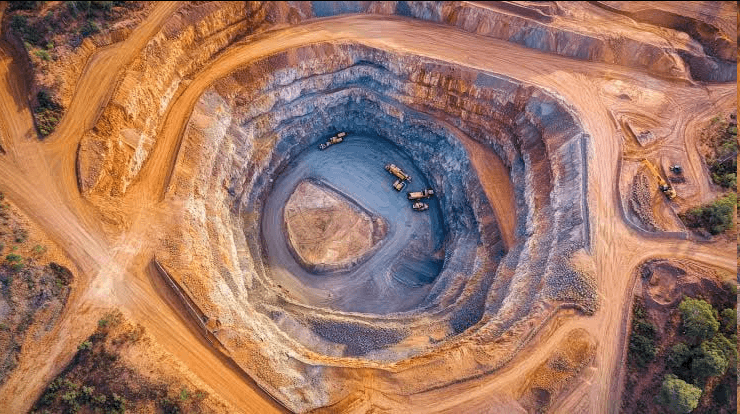
The growing demand for rare earth minerals is reshaping global competition as nations seek secure supplies for advanced technologies. These materials are essential for industries including electronics, renewable energy, electric vehicles, and defense systems. Rare earth elements are not always rare in the ground, but they can be difficult and expensive to process. Their importance has increased as technology companies and governments look to build stronger supply chains. Countries are investing in mining and processing projects to reduce dependence on limited sources. Control over these materials has become a strategic issue because future technologies rely heavily on stable access. The expansion of renewable energy has increased demand for certain minerals used in wind turbines, batteries, and electric motors. At the same time, the growth of artificial intelligence and advanced electronics has created additional demand. Africa has attracted attention because of its mineral resources and potential role in future supply chains. However, developing successful industries requires infrastructure, investment, environmental standards, and skilled workers. The global race for critical minerals reflects a shift in economic priorities. Nations are increasingly viewing resources as important components of technological independence and industrial growth. As demand continues rising, companies and governments are expected to invest further in exploration, processing, and alternative technologies. The future of technology may depend not only on innovation but also on access to the materials required to build the next generation of products.
Published by Banx Network. This article is part of the Banx decentralized media programme, powered by the BXE token on the XRP Ledger.