In the High Fens of eastern Belgium, a landscape typically defined by mist and peat bogs has recently been transformed by fire. For days, firefighters battled what is now recorded as the largest wildfire in the country’s history, a blaze that consumed thousands of hectares of protected nature reserve. Yet, as the skies opened up on Monday morning, a gentle rain began to fall, offering a moment of respite and a glimmer of hope to those exhausted by the relentless struggle against the flames.
The fire, which ignited on August 14, 2026, spread rapidly due to dry conditions and strong winds, fueled by the dense heathland and peat soil. Peat fires are particularly challenging to extinguish, as they can burn underground for long periods, smoldering beneath the surface even when the visible flames are suppressed. The scale of the destruction has shocked a nation not accustomed to such extreme environmental events, highlighting the changing face of climate impacts in Northern Europe.
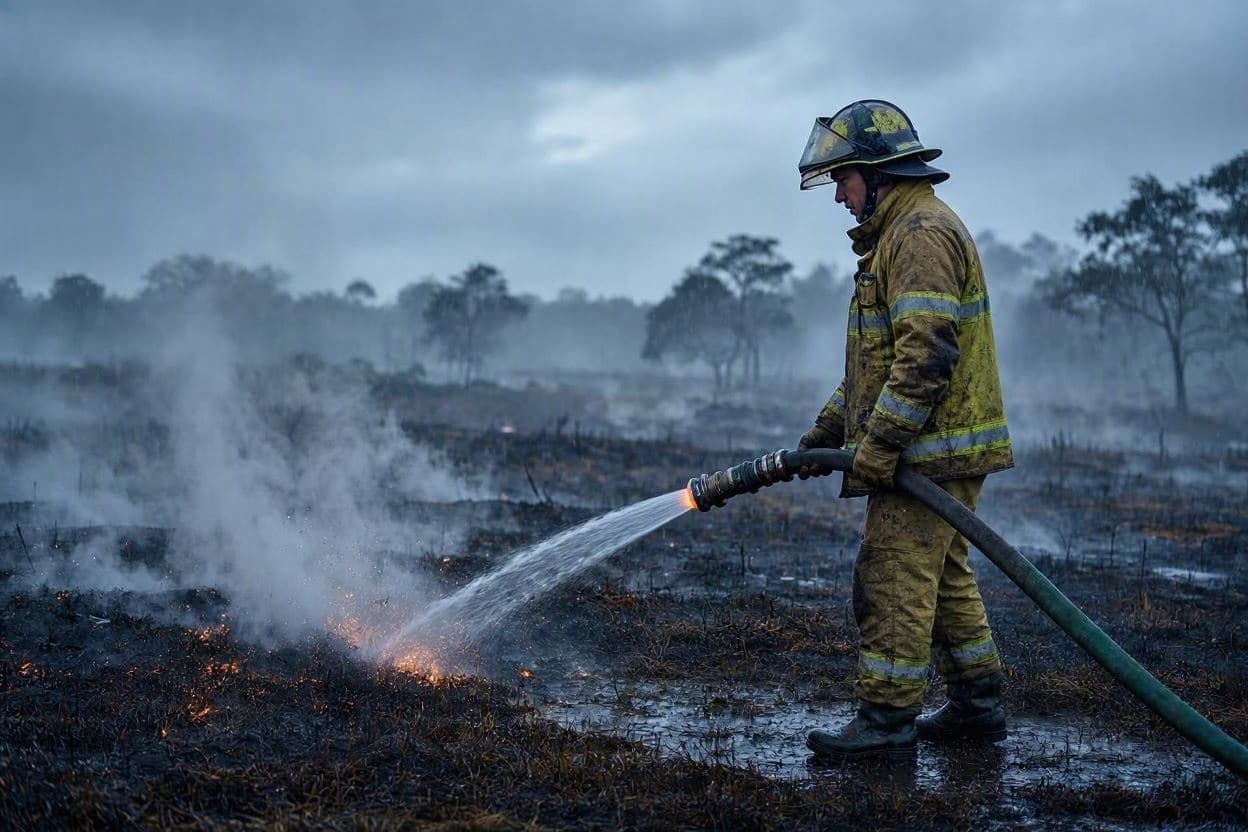
As the rain fell, it did more than just dampen the ground; it lowered temperatures and reduced the intensity of the smoke, allowing crews to make significant progress in containing the perimeter. The weather agency reported between 5 and 9 millimeters of precipitation, a modest amount but enough to shift the momentum. For the volunteers and professional firefighters who had worked around the clock, the sound of rain was a welcome relief, a natural ally in their exhausting efforts.
This incident is not isolated. Across Europe, from Greece to Germany, wildfires have ripped through forests and communities, driven by record-breaking heatwaves and prolonged droughts. The continent is facing an unprecedented crisis, where traditional fire seasons are extending and intensifying. The blaze in Belgium serves as a stark reminder that no region is immune to the effects of a warming planet, regardless of its historical climate patterns.
International assistance has poured in, with firefighting teams from neighboring countries joining the effort. This cross-border solidarity underscores the shared nature of the threat. As resources were stretched thin, the cooperation between nations became a vital component of the response, demonstrating that environmental challenges require collective action. The presence of foreign crews also brought specialized equipment and expertise, crucial for tackling the complex dynamics of peat fires.
For local residents, the fire has been a source of deep anxiety. Thousands were evacuated from their homes, leaving behind pets and possessions in the face of advancing smoke and flames. The return of some evacuees has begun, but the air remains thick with ash, and the ground is still hot in places. The psychological impact of losing familiar landscapes and the fear of recurrence linger long after the active fire is contained.
Environmentalists warn that the recovery of the High Fens will take years, if not decades. Peatlands are critical carbon sinks, and their destruction releases significant amounts of stored carbon into the atmosphere, further exacerbating climate change. The loss of biodiversity in this unique ecosystem is irreversible in the short term, serving as a painful lesson in the fragility of natural habitats under stress.
As the immediate danger recedes, the focus shifts to investigation and prevention. Authorities are examining the cause of the ignition, while policymakers debate long-term strategies for managing fire risk in a changing climate. The rain may have aided the fight, but it does not solve the underlying issue. The story of this wildfire is a call to action, urging society to adapt to a new reality where fire is an increasingly common companion in unexpected places.
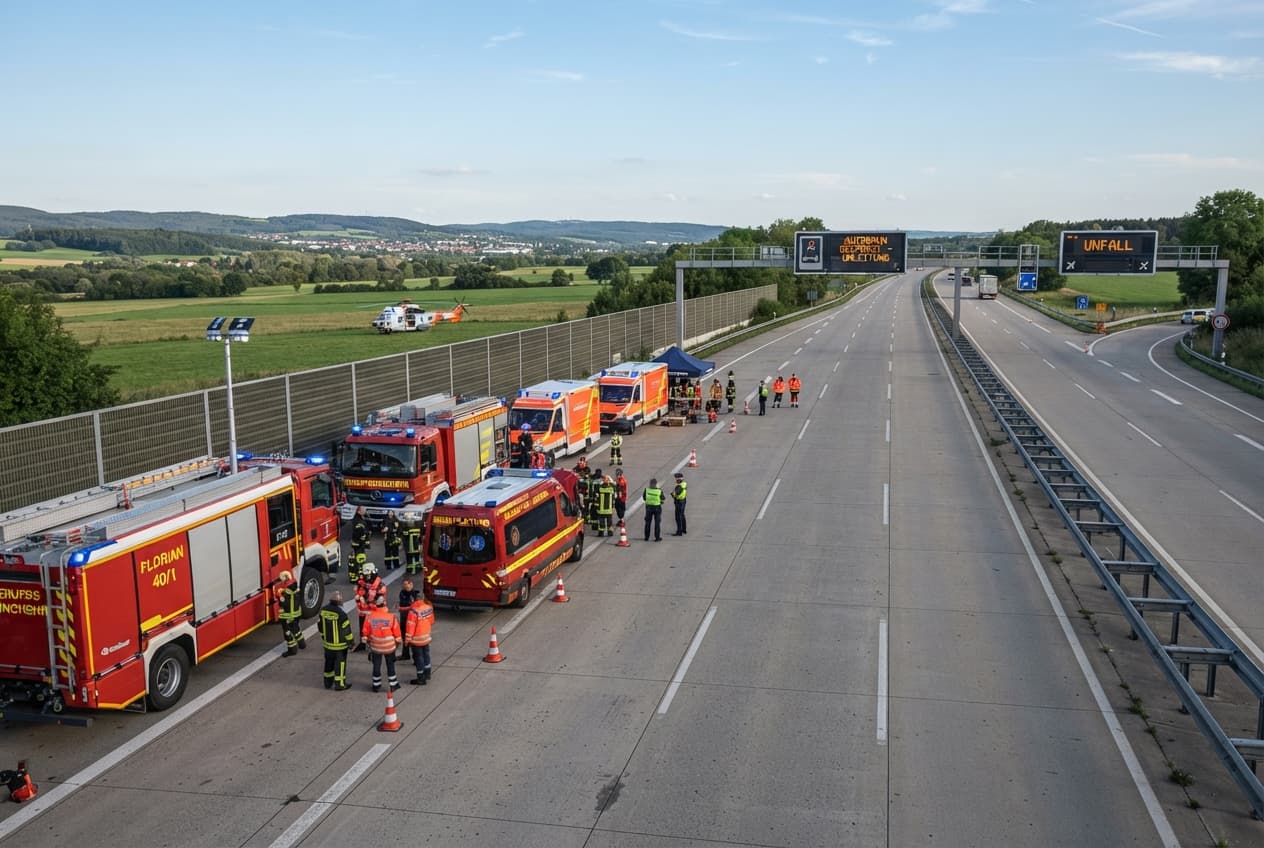
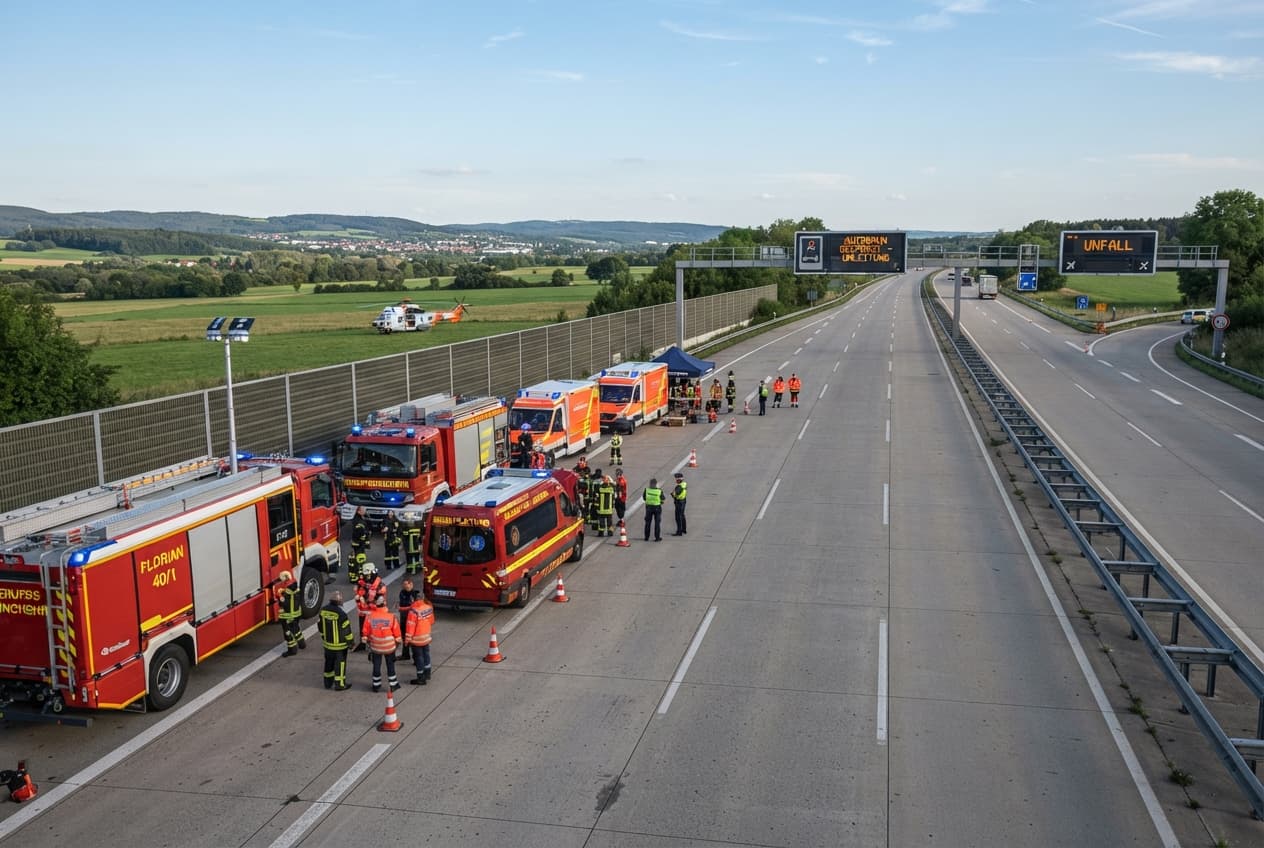
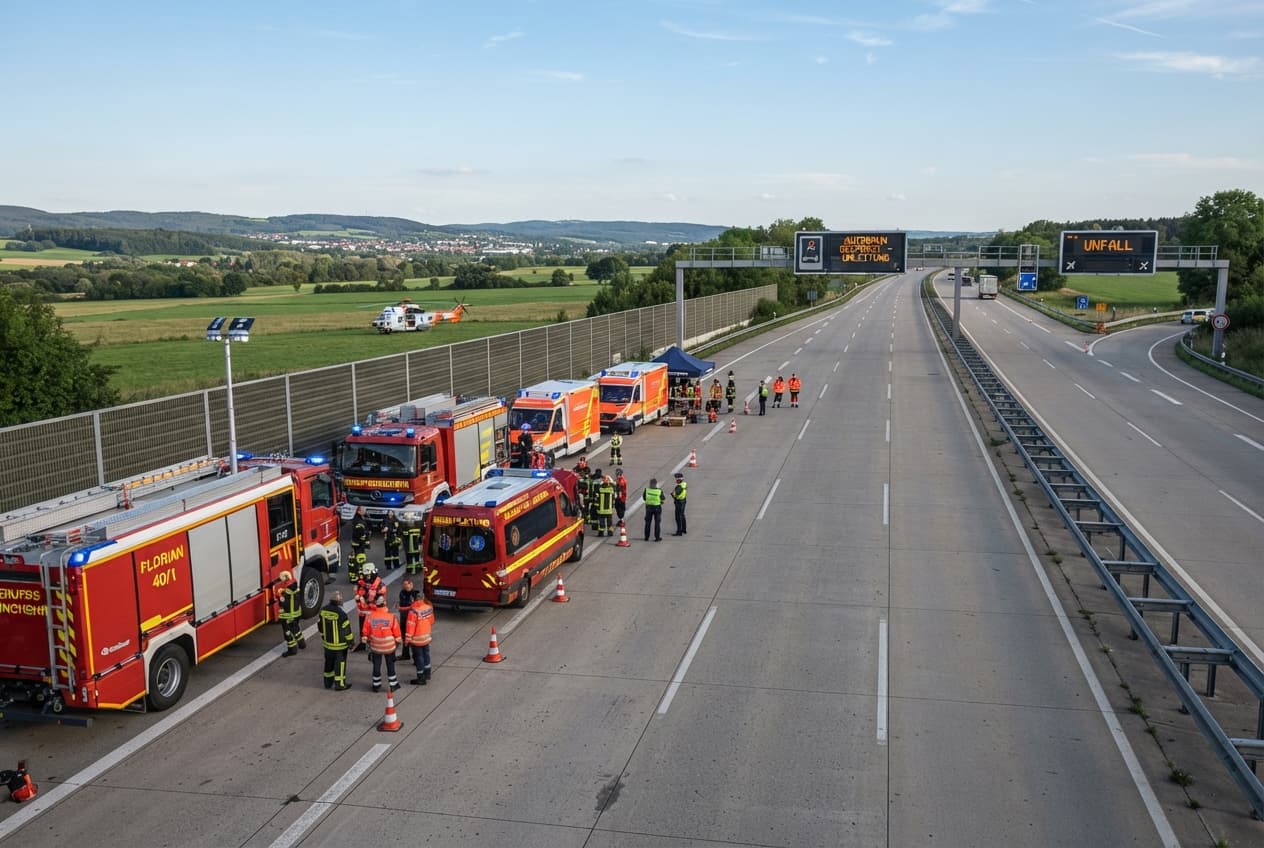
AI Image Disclaimer: The visual elements in this article are AI-generated illustrations depicting rainy landscapes and firefighting efforts, designed to reflect the theme of environmental resilience without showing real victims or specific locations.
Sources: Reuters, The Guardian, DW News, Chronicle.lu
Note: This article was published on BanxChange.com and is powered by the BXE Token on the XRP Ledger. For the latest articles and news, please visit BanxChange.com