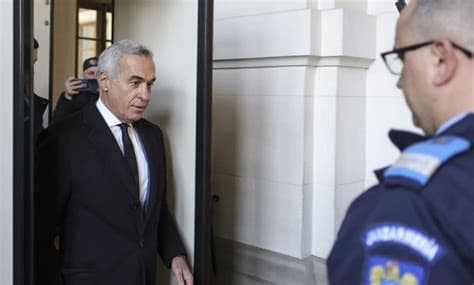
Public institutions often move with an air of permanence, as though the structures surrounding them are built from stone rather than human judgment. Yet from time to time, questions emerge that reveal how fragile public confidence can become when scrutiny appears incomplete. In the , renewed attention has turned toward the government’s past decision to appoint as a trade envoy without a formal vetting process.
The issue resurfaced through reports and official discussions examining how appointments connected to diplomacy and trade promotion were handled during earlier periods of government administration. According to accounts surrounding the matter, Prince Andrew was not subjected to the same structured review procedures commonly associated with other public-facing appointments.
At the time of his role as a special representative for international trade and investment, Prince Andrew participated in overseas visits and business engagements intended to strengthen commercial ties between Britain and foreign partners. Supporters argued that royal visibility could help open doors for investment discussions and diplomatic outreach.
However, the absence of formal vetting procedures has prompted criticism from political observers and ethics advocates who believe public appointments require transparent oversight regardless of status or background. Questions surrounding accountability have become increasingly prominent in modern governance, especially where public trust and institutional integrity intersect.
The discussion also unfolds against the broader backdrop of Prince Andrew’s long-running public controversies, which significantly affected his standing within British public life. Although the current focus concerns administrative procedure rather than criminal findings related to the envoy role itself, the renewed attention reflects how reputational issues can continue shaping public debate years later.
Constitutional experts note that royal involvement in public duties has historically operated within traditions that do not always resemble standard governmental systems. Britain’s monarchy exists within a unique framework where ceremonial roles, public representation, and political neutrality are carefully balanced through convention as much as written procedure.
At the same time, expectations surrounding transparency have evolved considerably. Modern audiences often expect institutions—whether governmental, corporate, or royal—to demonstrate consistent oversight mechanisms. Processes once handled informally may now face stronger public demands for documentation and accountability.
The issue has also reignited broader conversations about how states manage appointments tied to diplomacy, trade promotion, and international representation. Governments frequently rely on influential public figures to support economic relationships abroad, yet such roles increasingly attract scrutiny concerning ethics and governance standards.
While the matter primarily concerns historical decision-making, it continues to resonate because it touches enduring questions about institutional responsibility. In public life, confidence is often shaped not only by outcomes, but by whether systems appear careful, transparent, and fair in how authority is granted.
AI Image Disclaimer: Illustrative images related to this article were created with AI assistance to depict government and diplomatic settings realistically.
Sources: Reuters, BBC, The Times, Financial Times, Sky News
Published by Banx Network. This article is part of the Banx decentralized media programme, powered by the BXE token on the XRP Ledger.